
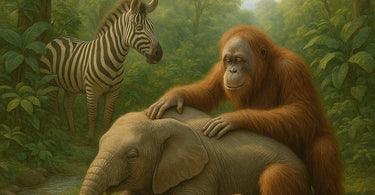
Did you know that your most sophisticated massage techniques might have been perfected millions of years before humans ever walked the earth? From the gentle grooming of primates to the surprising social rituals of elephants, the animal kingdom is filled with masters of therapeutic touch who never attended a single certification class. These natural therapists have been exchanging back rubs, pressure therapy, and social bonding through physical contact since long before the first portable massage table was ever invented. Watching animals interact is like attending the world's most ancient massage conference – except the presenters have fur, feathers, and occasionally tusks.
As professional therapists and spa owners, we often look to the latest technology and training to enhance our services, but what if some of the most effective techniques were hiding in plain sight throughout the natural world? The animal kingdom operates on instinctual knowledge that modern science is only beginning to understand. Their approaches to touch, pressure, and social bonding through physical contact represent millions of years of evolutionary refinement. Let's explore how our furry, scaly, and feathered colleagues approach the art of healing touch.
Primate Pampering: The Original Spa Day
If you think your clients enjoy a good grooming session, you haven't seen anything until you've watched primates in action. Monkeys and apes take social grooming to an art form that would make any massage professional take notes. These sessions aren't just about removing parasites – they're complex social rituals that strengthen bonds, reduce stress, and maintain social hierarchies. The gentle picking, stroking, and manipulation they perform on each other releases endorphins and creates a sense of well-being that's remarkably similar to what we aim for in human massage therapy.
What's particularly fascinating is how primates vary their techniques based on the relationship between individuals and the specific needs of the moment. Mother chimpanzees use different touch patterns with their infants than they do with adult companions. The duration, pressure, and focus areas all change depending on the social context. Sound familiar? It should – it's the animal equivalent of customizing treatments based on whether your client needs hot stone therapy for muscle tension or gentle Swedish techniques for relaxation.
Elephant Empathy: The Gentle Giants of Pressure Therapy
When an elephant wants to show affection or comfort, they don't hold back. These magnificent creatures use their trunks in ways that demonstrate an incredible understanding of pressure and touch. From gentle caresses to reassuring touches, elephants communicate complex emotions through physical contact that would make any therapist proud. Their trunks, containing over 40,000 muscles, are capable of astonishing sensitivity – they can pick up a single blade of grass or apply precisely the right amount of pressure to comfort a distressed herd member.
Elephants often stand close together, intertwining trunks and leaning into each other in what amounts to a massive, multi-ton group hug. When a baby elephant is tired or frightened, the adults will surround it, using their bodies and trunks to create a protective, comforting circle. This instinctual understanding of therapeutic touch and pressure is something we strive to replicate in human therapy spaces with tools like massage bolsters and heated table toppers to create that same sense of security and comfort.
Feline Fundamentals: The Purr-fect Pressure Points
Anyone who's lived with a cat has witnessed their meticulous approach to self-care. The famous "kneading" behavior that cats perform with their paws isn't just adorable – it's a sophisticated self-massage technique that stimulates circulation, works out muscle tension, and releases endorphins. This rhythmic pressing motion, often accompanied by purring (which itself has therapeutic vibrations between 25-150 Hz), represents a complete wellness system that cats have mastered.
What's particularly interesting is how cats apply varying pressure during their kneading sessions, adjusting based on the surface and their own needs. They also engage in social grooming with other cats, using their rough tongues to stimulate circulation and remove dead hair – a technique not unlike dry brushing in human spa treatments. While we might not recommend tongue-based exfoliation for your clients, the principle of stimulating circulation through precise, rhythmic motion is fundamental to many spa body treatments using tools like body brushes and sugar scrubs.
Avian Attention: Feathered Friends and Social Preening
Birds take grooming to new heights – literally. Social preening among birds serves multiple purposes: it maintains feather health, strengthens social bonds, and provides comfort through gentle touch. Many bird species engage in "allopreening," where they groom each other in hard-to-reach spots, creating social connections through mutual care. This cooperative approach to maintenance and bonding is something we see reflected in the spa industry with services like lash and brow services where precise, careful attention creates both beauty and relaxation.
The precision with which birds handle their feathers is remarkable – they can address individual feathers with exacting care, applying just the right amount of pressure to realign barbs without causing damage. This level of detailed attention is what separates amateur grooming from professional care, whether we're talking about feathers or professional nail care. The parallel becomes even clearer when you consider services like dermaplaning, where precision tools remove fine hairs and dead skin with similar exactness.
Marine Massage: Aquatic Bodywork Masters
Even beneath the waves, therapeutic touch thrives. Dolphins are known to rub against each other and even against specific types of coral that may have cleansing properties. Some fish species provide "cleaning services" to others, carefully removing parasites and dead skin in a symbiotic relationship that benefits both parties. These aquatic cleaning stations function like underwater spas, with certain fish and shrimp species setting up shop in specific locations where larger fish come to be groomed.
The trust involved in these interactions is profound – large predators will suspend their hunting instincts to allow much smaller cleaning fish to work inside their mouths and gills. This level of trust and the benefits of regular "spa treatments" are so significant that some fish species will travel considerable distances to visit their preferred cleaning stations. It's a powerful reminder of how essential regular professional care is for maintaining health, whether you're a 500-pound grouper or a human client enjoying hydrodermabrasion treatments.
Canine Comfort: Man's Best Massage Therapist
Dogs have an instinctual understanding of pressure therapy that many physical therapists would envy. The famous "lean" that many dogs perform – pressing their body weight against their human companions – is a form of deep pressure therapy that can be calming and grounding. Service dogs are often trained to apply specific pressure to help people with anxiety, PTSD, or even seizures through what's known as Deep Pressure Touch Stimulation.
This therapeutic pressure triggers the release of serotonin and dopamine while reducing cortisol levels – exactly what we aim for in many human massage modalities. Dogs also use nudging, licking, and specific positioning to provide comfort and connection. While we don't recommend bringing Fido to your next massage session, the principles of therapeutic pressure that dogs instinctively understand are the same ones that guide our use of tools like massage creams and techniques like myofascial release.
Bringing Animal Wisdom Into Your Practice
So how can we integrate these ancient animal techniques into modern professional practice? The key isn't about mimicking specific behaviors (please don't start picking through your clients' hair like a chimpanzee), but about understanding the underlying principles that make animal touch so effective. These include: customized pressure based on individual needs, the importance of rhythmic consistent motion, the therapeutic value of social connection through touch, and the power of specific, focused attention.
Consider how you might incorporate more intuitive pressure variation in your massage treatments, or how you could create a stronger sense of security and comfort in your treatment space with elements like aromatherapy and carefully controlled lighting. Look at your client relationships through the lens of social bonding that primates demonstrate – the trust and connection you build enhances the therapeutic benefits of your work.
Equipment Inspired by Nature's Design
Many of the tools we use in modern spas and salons take inspiration from natural principles, even if we don't always recognize the connection. The warming elements in hot stone massage replicate the comforting warmth many animals seek from sun-warmed surfaces. The rhythmic pressure of endermologie machines echoes the consistent motion of grooming behaviors. Even something as simple as the comforting weight of a properly draped blanket during a treatment connects to the deep pressure therapy that animals naturally provide.
As you select equipment for your practice, consider how each piece supports these fundamental principles of natural touch therapy. From towel steamers that provide comforting warmth to table warmers that create a sense of security, the best tools enhance our ability to deliver the kind of instinctual care that animals have practiced for eons.
The Business of Natural Touch
Understanding these animal behaviors isn't just interesting trivia – it can actually enhance how you market and deliver your services. Clients are increasingly seeking authentic, natural approaches to wellness, and being able to speak knowledgeably about the biological foundations of touch therapy can set your practice apart. Consider creating signature services inspired by these natural techniques, or incorporating this knowledge into your client education.
Your pre and post-waxing care recommendations, for instance, can be framed as supporting the body's natural healing processes in the same way animals instinctively care for their skin and fur. Your approach to brow and lash services can reference the social bonding aspects of grooming behaviors. This depth of understanding positions you as more than just a technician – you become a true healing professional grounded in both science and nature.
Learning From Nature's Master Therapists
The next time you watch animals interacting, whether it's birds preening at a feeder or dogs playing at a park, observe their use of touch with the eyes of a professional. Notice the variations in pressure, the responsiveness to each other's reactions, the clear communication through physical contact. These are living demonstrations of principles we strive to embody in our professional practice.
While we have the advantage of advanced tools like advanced facial equipment and specialized cleaning products, the foundation of effective therapeutic touch remains the same across species: presence, attention, responsiveness, and care. The animal kingdom reminds us that before there were licenses and certifications, there was instinctual wisdom about healing through touch – wisdom we can still learn from today.
So the next time you're stocking up on essential supplies or considering new wellness tools for your practice, remember that some of the best techniques have been field-tested for millions of years by the original master therapists: the animals who share our planet. They might not use LED lamps or UV sterilizers, but their understanding of therapeutic touch is timeless.
%20-%20Nature's%20Original%20Therapists%20Revealed!)