
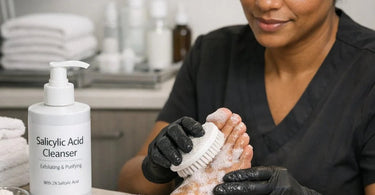
Upgrade your offerings with this gem... Let's be honest, the toughest part of any pedicure isn't the polish color choice (though that is a high-stakes negotiation with the client). It is the feet. Specifically, the dry, cracked heels, the rough calluses, and those stubborn little patches of texture that laugh in the face of your standard foot file. You have scrubbed, you have buffed, and yet, that reptilian skin persists. It is time to call in the big guns, the MVP of ingredients, the BHA that actually gets the job done. We are talking about incorporating a Salicylic Acid Cleanser into your professional pedicure protocol. For Pure Spa Direct pros who want to deliver results that have clients literally weeping with joy (and showing off their smooth heels to strangers at the grocery store), this ingredient is a game-changer.
If your pedicure services are currently relying solely on manual exfoliation and basic scrubs, you are leaving major results (and major upgrade revenue) on the table. Salicylic acid, a beta hydroxy acid (BHA), works differently than the gritty physical scrubs you might be used to. It dives deep into the skin and does the hard work from the inside out. Let us break down exactly why this chemical exfoliant deserves a permanent spot on your Pedicure Supplies shelf and how it solves the problems your clients complain about the most.
What Exactly Is Salicylic Acid? (And Why Is It So Good at Its Job?)
Before we get into the nitty-gritty of techniques, let us geek out on the science for just a minute. Salicylic acid is a beta hydroxy acid (BHA). Unlike Alpha Hydroxy Acids (AHAs) like glycolic or lactic acid, which work on the surface, BHA is oil-soluble. This means it can penetrate deep into the pores and break down the oil and dead skin cells that cause congestion. In terms of foot care, where the skin is thicker and often impacted by pressure and friction, this penetration is crucial .
When you apply a professional-grade Salicylic Acid Cleanser, it immediately starts breaking down the intracellular glue, known as desmosomes, that holds dead, hardened skin cells together . It essentially tells those rough patches to let go. This makes it infinitely easier to remove calluses without aggressive, sometimes dangerous, scraping. Plus, salicylic acid boasts natural anti-inflammatory properties, which means it calms the skin while it exfoliates, reducing the risk of that angry, post-pedicure redness . It is a gentle giant in the world of chemical exfoliation.
Benefit #1: Targeted Callus Elimination Without The Aggressive Scraping
Let us face it: we have all had that client who comes in with heels that feel like sandpaper. Sometimes, no matter how much we soak or scrub, those calluses are winning the battle. By adding a Salicylic Acid Cleanser as a pre-service treatment, you soften that hyperkeratotic tissue significantly. Salicylic acid works as a keratolytic agent, meaning it dissolves the protein (keratin) that makes up the callus .
You simply apply the cleanser to the dry areas, let it sit for a few minutes to work its magic, and then proceed with your usual service. You will notice that the callus lifts away effortlessly with a foot file or buffer. This means less physical strain on your wrists and a much safer, pain-free experience for clients with diabetes or delicate skin. It turns a grueling ten-minute scrubbing session into a swift, satisfying removal. Upgrade your service by pairing it with ItalWax - Pre/Post for a full foot makeover.
Benefit #2: Eliminating Those Tiny Keratin Plugs (Strawberry Feet)
Have you ever looked at a client's ankle or the top of their foot and seen those dark, tiny little dots? Often called "strawberry legs," these are actually keratosis pilaris or simply clogged hair follicles. Regular soap or body wash does nothing for these stubborn bumps because they are trapped under a layer of skin. Since salicylic acid is oil-soluble, it is the perfect solution. It penetrates the follicle, clears the debris, and smooths out the texture.
Using a Salicylic Acid Cleanser on the lower leg and foot during a pedicure polishes the skin to a high shine. It reduces redness and leaves the entire lower extremity looking airbrushed. Your clients will notice the difference immediately when they run their hands over their silky-smooth shins. This is a high-perceived-value add-on that costs you very little product but yields a massive satisfaction guarantee.
Benefit #3: Fighting Fungal Issues and Ingrown Toenails
Okay, let us talk about the less glamorous side of pedicures. Foul odors and nail discoloration are often caused by an overgrowth of bacteria and fungi living under the nail plate or in the skin folds. Salicylic acid is a fantastic deodorizer and antimicrobial agent. By exfoliating the dead cellular debris that bacteria feed on, you eliminate the source of the smell before it starts .
Furthermore, for clients prone to ingrown toenails, keeping the nail fold exfoliated is key. When the skin at the edge of the nail is thick or hardened, the nail is forced to grow into it. A consistent application of Salicylic Acid Cleanser softens the periungual skin, reducing friction and pressure on the nail plate. While you cannot fix an acute ingrown in one sitting, using this as a maintenance step in your pedicure protocol helps prevent future occurrences, making you the hero of foot health. Keep your station sterile with Professional Cleaners & Disinfectants while you work.
Benefit #4: The Perfect Prep for Polish (And Those Expensive Treatments)
You would not paint a masterpiece on a cracked, peeling canvas, right? The same logic applies to pedicures. If the surface of the nail plate or the surrounding skin is flaky and dry, gel polish and regular lacquer will lift prematurely. Salicylic acid creates the perfect, pristine canvas. By removing the dead skin cells from the nail plate and the eponychium, you ensure that your base coat bonds directly to a healthy surface.
For those luxury services like a paraffin wax treatment or a high-end mask, exfoliated skin absorbs moisture significantly better. Why waste expensive product on a layer of dead skin? When you apply a moisturizer or treatment mask after using a Salicylic Acid Cleanser, you are hydrating living tissue. The results are longer-lasting, and your retail sales of lotions will skyrocket because clients will actually see the difference. Check out brands like Murad or June Jacobs for high-end follow-up hydration.
How to Integrate Salicylic Acid Cleanser into Your Professional Pedicure Flow
Ready to add this magic potion to your menu? It is ridiculously easy to integrate into your existing setup. Here is a simple workflow for the Pedicure Chairs/Spas:
1. The Soak: Start with the warm, bubbly foot bath (we know that's the best part for the client). Soak feet for 5-10 minutes to hydrate the skin. You can use a aromatherapy soak for relaxation, but water alone is fine.
2. The Application: Remove feet from the water and pat dry. Apply a generous layer of your Salicylic Acid Cleanser directly to the rough spots—heels, balls of feet, big toes, and any callused areas. Do not rinse yet.
3. The Waiting Game: Let the cleanser sit for 3 to 5 minutes. This gives the BHA time to penetrate and break those desmosomes. Use this time to chat with your client about their vacation or organize your Nail Art Rhinestones.
4. The Agitation: Using a Body Brush or Loofah or a rough washcloth, gently agitate the product into the skin. You will see the dead skin literally sloughing away.
5. The Rinse: Rinse thoroughly with warm water. You will immediately feel the difference in skin texture.
6. The Buff (Optional but satisfying): If there is any heavy callus remaining, use a file. It will come off in clouds of dry skin dust—so gross, yet so rewarding.
7. The Finish: Dry the feet completely, apply cuticle oil, lotion, and proceed with your polish application.
Pro-Tips for Maximum Safety and Client Satisfaction
While salicylic acid is generally safe for most clients, we professionals have to stay sharp. First, check for contraindications. Do not use on clients with known aspirin allergies (salicylates are related), open wounds, or active psoriasis flares unless directed by a doctor .
Also, remember that less is more with chemical exfoliants. You do not need to scrub aggressively when using a Salicylic Acid Cleanser. Let the chemistry do the heavy lifting. Over-scrubbing can lead to micro-tears, which are a breeding ground for bacteria. Finally, emphasize sun care! Because salicylic acid increases cell turnover, the new skin underneath is sensitive. If your client is going on a tropical vacation, recommend they slather their feet in a high-SPF sunscreen or wear socks on the beach. Your retail counter is the perfect place to upsell a protective foot cream.
Why Pure Spa Direct is Your Go-To for This Ingredient
At Pure Spa Direct, we do not just sell products; we supply solutions. We know you have a cabinet full of half-used bottles that promised the moon. We carry professional lines that actually work, from reliable brands like Depileve, Gigi, and our own high-performance Spa Masters line. Whether you need a liquid solution, a gel, or a pre-mixed scrub, we have the Spa Essentials to make your pedicure menu stand out.
Adding a Salicylic Acid Cleanser to your service menu is not just a trend; it is an elevation of your standards. It is the difference between giving a client a temporary polish change and giving them a medical-grade foot health treatment that keeps them coming back every four weeks like clockwork. The tools and towels matter too—ensure you have High-Quality Towels and a Towel Steamer ready for that finishing hot towel wrap. Go on, give your pedicures the upgrade they deserve.
Ready to transform those tired toes? Stock up on professional-grade exfoliants and the latest Pedicure Supplies at Pure Spa Direct. Your clients will thank you (and they will probably bring you cookies).
)