
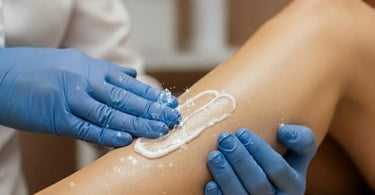
Solutions built for professionals like you... who are tired of seeing clients flinch like they’re in a horror movie every time you approach with the wax strip. Let’s talk about the elephant in the room: waxing hurts. It’s the necessary evil of smooth skin, but what if you could make it significantly less evil? Enter the hero of our story: numbing cream. It’s not a magical pain-erasing wand (we wish!), but it’s the closest thing we’ve got to a ‘mute’ button for discomfort. For spa professionals and estheticians, mastering pain management is key to client retention and building a reputation for gentle, effective service. Offering a numbing option can be the difference between a one-time client and a loyal fan who happily books their next brow and Brazilian wax appointment.
So, can you use it? Absolutely. Should you use it? With the right knowledge and protocols, it’s a game-changer. This guide will walk you through everything you need to know about integrating numbing cream into your waxing services safely and effectively, turning those winces into sighs of relief.
What Exactly is Numbing Cream? Science for the Win!
Numbing cream, or topical anesthetic, is a cream or gel formulated with active ingredients that temporarily block nerve signals in the skin. The most common over-the-counter ingredient is Lidocaine, often paired with Prilocaine or Tetracaine for a stronger effect. Think of it as a tiny, temporary roadblock on the nerve highway. The pain signal from the hair follicle tries to zoom to the brain, but the anesthetic says, “Nope, road’s closed!” The result? A significant reduction in the sharp, ouch-y sensation of hair being removed from the root.
It’s crucial to use professional-grade products designed for cosmetic use. This isn’t the time for DIY solutions or medical-grade anesthetics not intended for this purpose. Your client’s safety is paramount.
The Professional's Protocol: How to Use Numbing Cream Correctly
Simply slapping on some cream and hoping for the best is a recipe for disappointment and potentially unhappy clients. For a professional, it’s all about the protocol.
1. The Consultation is Key
Always, always, always conduct a thorough consultation. This is non-negotiable. You must ask about allergies, sensitivities, and medical conditions. Certain heart conditions or allergies to local anesthetics are absolute contraindications. Have a client sign a consent form specifically for the use of a topical anesthetic. This protects you and ensures the client is fully informed.
2. Prep the Skin (The Right Way)
The skin must be clean and free of oils, lotions, or sweat. Gently exfoliating the area 24 hours before the appointment can help, but don’t do it immediately before as it can cause irritation. The client should avoid sun exposure, tanning beds, and retinol products for at least 48 hours prior to waxing.
3. Application Mastery
Instruct your client to apply a thick, even layer of cream to the area to be waxed about 30-60 minutes before their appointment. It should be a generous “frosting,” not a light moisturizer. They should then cover it with cling film (plastic wrap). This creates an occlusive barrier that enhances absorption and potency. Yes, they’ll look a little silly walking around with Saran Wrap on their upper lip, but tell them it’s a small price to pay for comfort! They should remove the wrap and wipe off the cream thoroughly right before they leave for their appointment, or you can do it upon their arrival.
4. The Waxing Itself
Even with numbing cream, your technique still matters. Use a high-quality wax like ItalWax or stripless hard wax for sensitive areas, which adheres to the hair, not the skin. Ensure your wax warmer is at the correct temperature—too hot and it will burn; too cool and it won’t spread properly, requiring more pulls. Work efficiently and confidently.
5. Post-Wax Soothing
After the waxing is complete, the area might be red and sensitive. This is where your amazing aftercare comes in. Apply a soothing, calming product like aloe vera gel or a dedicated post-wax lotion. You can even use a cool compressed sponge soaked in water to gently calm the skin. Recommend they continue to avoid heat (hot showers, saunas, intense workouts) and sun exposure for 24-48 hours. Sell them a fantastic ingrown hair serum to keep the skin smooth and bump-free.
The Not-So-Magic Part: Setting Realistic Expectations
This is the most critical part of the conversation with your client. Numbing cream is fantastic, but it is NOT a complete pain eliminator. Manage their expectations from the start.
What it DOES do: It takes the intense, sharp pain down to a much more manageable dull pull or pressure. For many clients, this reduction is enough to make the service tolerable and even easy. It’s particularly effective for highly sensitive areas like the bikini, underarms, and upper lip.
What it DOESN’T do: It won’t make them completely numb to the point of feeling nothing. They will still feel the warmth of the wax, the pressure of the pull, and some sensation. The first pull is often the most felt, as subsequent pulls are on skin that is already “warmed up” and the anesthetic has had more time to work. If they expect zero feeling, they will be disappointed. Frame it as a “comfort cream” rather than a “numbing cream” to better set this expectation.
Why Offering This Option is a Business Power Move
Integrating numbing cream into your service menu isn’t just about being nice; it’s a smart business strategy.
- Attracts New Clients: People who have been too scared to try waxing might be willing to take the plunge if they know there’s a pain-management option.
- Builds Loyalty: Clients will remember who gave them their most comfortable waxing experience ever. They’ll come back to you and refer their friends.
- Allows for Upselling: You can charge an additional fee for the application of professional-grade numbing cream in-house or sell them a take-home tube for their next appointment. It becomes a valuable add-on service.
- Positions You as an Expert: It shows you are knowledgeable, care about client comfort, and are up-to-date on the latest techniques in the industry.
Building the Ultimate Comfort-Focused Waxing Station
While you’re upgrading your service with numbing cream, make sure your entire setup is designed for comfort and efficiency. Stock up on all the essentials from professional waxing supplies.
- High-Quality Wax Strips
- Wooden Spatulas & Applicators
- Pre & Post-Waxing Solutions
- Hygienic Table Paper
- Professional Cotton and Disinfectants
Ensure your waxing table is comfortable and your room ambiance is calming with perhaps some aromatherapy.
The Final Verdict: Should You Use Numbing Cream?
Yes, a thousand times yes—as a trained professional following a strict safety protocol. It’s a powerful tool in your arsenal to provide a superior, more comfortable client experience. It’s not magic, but for a client who dreads waxing day, the difference it makes is pretty darn close. By offering this option, you’re not just removing hair; you’re removing anxiety and building a business that clients will flock to for a genuinely better service.
Ready to make your waxing services the most comfortable in town? Explore our range of numbing creams and all your waxing accessory needs to create the ultimate pain-managed experience.
