
Simplify your path to better results by mastering the art of the pre-tan prep, because let's be honest, nothing ruins a professional reputation faster than a client walking out looking like they lost a fight with a bag of Cheetos. As beauty professionals, we know that the magic of a flawless spray tan isn't just about the quality of the solution or the skill of the application; it's about the symphony of preparation that happens before the first drop of DHA even touches the skin. One of the most critical, yet frequently misunderstood, elements of that preparation is the humble barrier cream, and more specifically, where you put it can be the difference between a glowing goddess and a patchy predicament. At Pure Spa Direct, we believe in empowering you with the knowledge and wholesale supplies to ensure your clients leave feeling like a million bucks, and that all starts with understanding the strategic placement of barrier cream.
Alright, let's dive into the nitty-gritty, or should we say, the creamy-clarity of spray tan prep. You've got your sunless tanning solutions ready, your spray tan gun is calibrated, and your client is ready to get their bronze on. But wait! Did you remember to armor up those tricky spots? The human body is a beautiful, weird landscape of dry patches, creases, and areas that are simply too enthusiastic about absorbing tanning solution. Without a little strategic intervention, these zones can turn into dark, blotchy monuments to a poor tan. Let's break down exactly where to place barrier cream for optimal, jaw-dropping results.
Why Barrier Cream is Your Best Friend in the Spray Tan Booth
Think of barrier cream as the unsung hero of the sunless tanning world. Its primary job is to create a light, breathable shield on the skin's surface . This prevents areas with thicker, drier, or more porous skin from gobbling up the active ingredient, DHA, at a faster rate than the rest of the body. Without it, those areas can overdevelop, resulting in a tan that looks unnatural and, frankly, a little bit scary . It's not about blocking the tan completely; it's about controlling the absorption so the final color is seamless and even. Our professional sunless tanning products are top-notch, but even the best solutions need a little help to achieve perfection on every skin type.
The 'Hot Spots': Where to Apply Barrier Cream for Spray Tans
Now, for the main event. If you're wondering where to slather that protective layer, focus on these classic trouble areas. These are the places that will almost certainly turn a shade of 'Oops, I accidentally tanned my elbows with a sharpie' if left unprotected .
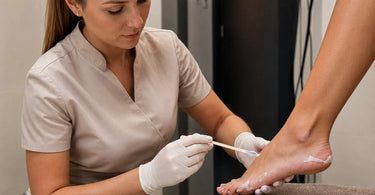
- Hands and Feet: These are the ultimate DHA magnets. The skin on our hands and feet is naturally drier and has more dead skin cells, which react strongly with the tanning solution. Apply barrier cream liberally to the tops of the hands and feet, paying special attention to the knuckles, cuticles, and the spaces between your fingers and toes . This will prevent those tell-tale dark knuckles and 'tan lines' on your feet that scream 'fake tan'.
- Elbows and Knees: The bendy bits! Because these joints are constantly moving and stretching, the skin there is often thicker and more prone to dryness. This makes them a prime target for over-absorption. A generous layer of barrier cream here will ensure they don't end up looking like two dark circles on an otherwise beautiful canvas .
- Ankles and Achilles Heel: Another area that tends to be on the drier side, the ankles and the back of the heel can become overly dark and patchy without a little love. Don't forget to give them a good coating of cream .
- Scars, Stretch Marks, and Dry Patches: Any area where the skin texture is different, be it from a scar, stretch marks, or just a generally dry patch, will absorb tanning solution differently. Applying a small amount of barrier cream directly to these spots with a cotton bud can help them blend in more naturally, preventing them from turning darker than the surrounding skin . This is a pro-level tip for ensuring an even and flawless finish every time.
The Do's and Don'ts of Barrier Cream Application
Using barrier cream is pretty straightforward, but there are a few golden rules to follow to ensure you're not replacing one problem with another. The goal is to protect, not to repel. If you apply too much, you'll create a fortress that the tanning solution simply can't penetrate, leaving you with pale, un-tanned spots .
- DO: Apply a thin, even layer. Rub it in well so it's not sitting on top of the skin in a thick glob. You want a protective film, not a butter-slathered slice of bread.
- DON'T: Slather it on like you're moisturizing dry elbows after a winter storm. A pea-sized amount is usually more than enough for each area. Blend, blend, blend!
- DO: Use a barrier cream specifically designed for spray tanning. These are usually oil-free and formulated to work in harmony with DHA. Many of our wholesale sunless tanning brands offer their own professional barrier creams for a seamless integration.
- DON'T: Use your regular body lotion or oil-based moisturizer. Oils can create a barrier that is too strong, leading to a patchy tan. They can also interfere with the DHA reaction, leading to a less vibrant color .
Getting the placement right is about more than just preventing disasters; it's about elevating your craft. A flawless, even tan is the hallmark of a true professional, and it's the kind of result that builds a loyal clientele. At Pure Spa Direct, we're here to support your success with the industry's best products and expert advice.
Ready to stock your studio with the best supplies for a perfect tan? Shop our professional sunless tanning collection today and give your clients the flawless glow they deserve!
