
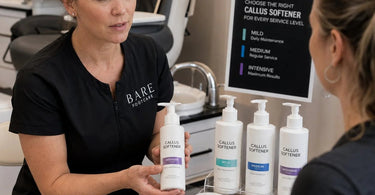
Make every service count by turning a routine pedicure into a transformative foot experience that clients will literally rave about. Let's face it, in the world of spa and salon services, our clients are not just looking for a splash of polish on their toes; they are on a quest for that holy grail of foot care: the elusive, oh-so-soft, sandal-ready foot that feels like a baby's bottom. And the secret weapon in your arsenal to achieve this? It's the humble but mighty callus softener. But here's the kicker, darling, not all callus softeners are created equal. Just like you wouldn't use a chainsaw to trim a bonsai tree, you need to know exactly which formula is the perfect match for the specific service level you're providing and the condition of your client's feet. Choosing the right product is about understanding the science, respecting the law, and delivering an unforgettable experience that keeps them coming back for more. So, grab your favorite beverage, put your feet up (pun intended), and let's dive into the wonderful world of callus softeners. Trust me, by the end of this, you'll be a callus-conquering hero in your treatment room.
Think of a callus as your foot's overzealous bodyguard. It's a patch of thickened, hardened skin that forms as a protective response to repeated friction and pressure from those fabulous shoes we all love to wear . While they serve a purpose, when they get too thick, they become uncomfortable, can crack, and let's be honest, they are not winning any beauty contests. The skin on our soles is up to five times thicker than elsewhere on our bodies, which is why it needs specialized, potent ingredients to break through that barrier and truly transform it . But before we play mixologist with the ingredients, let's get one crucial thing straight: there is a massive difference between a 'callus remover' and a 'callus softener'. This isn't just semantics; it's a legal and safety issue. A product that claims to 'remove' calluses is classified as a drug by the FDA and must meet specific, strict regulations. The FDA-approved active ingredient for this is salicylic acid at high concentrations, a process that can take weeks . For our professional services, we don't have two weeks; we have about 20 minutes to work our magic. That's why we use 'callus softeners'. They don't remove the callus themselves; they break down the bonds between dead skin cells, making it safe and easy to file away. It's a subtle but crucial distinction that keeps us both legal and safe . Now, let's get to know our heavy hitters, the true rock stars of the back bar.
The Active Ingredient All-Stars: Who Does What?
Choosing the right callus softener comes down to understanding its active ingredients. Each one has a unique superpower, making it perfect for different service levels and skin types. Let's break down the roster.
Urea: The Hydrating Hero
Urea is essentially the holy grail for foot care. It is a natural moisturizing factor found in our skin, and it acts as a keratolytic agent. In plain English, it is a gentle exfoliant that dissolves the excess keratin in calluses. But here's where it gets brilliant: it also acts as a powerful humectant, pulling moisture into the skin and locking it there . This is crucial because it stops the 'soften and crack' cycle that some aggressive products can cause. Urea-based softeners usually contain about 20% urea and have a gentle pH, making them ideal for basic maintenance and sensitive clients. They are safe, effective, and a fabulous choice for the daily maintenance and upkeep of smooth feet . When you use a urea-based softener, you're telling the callus to relax and hydrate, not just fall off.
Lactic & Salicylic Acid: The Chemical Exfoliators
These Alpha Hydroxy Acids (AHAs) and Beta Hydroxy Acids (BHAs) are chemical exfoliants that break down the 'glue' holding dead skin cells together. They are also fantastic for penetrating thickened skin, making them excellent for stubborn calluses that need a bit more oomph. Lactic acid is especially moisturizing, while salicylic acid is the only chemical the FDA has approved to be marketed as a callus 'remover' (when used in appropriate strengths) . In our professional softeners, they're used in lower concentrations to safely prep the skin for filing. These acids are the workhorses for that in-between client who has some roughness but doesn't need a full medical-grade intervention.
Potassium Hydroxide: The Quick-Change Artist
This is the heavy artillery of the callus-softening world. Potassium hydroxide is an inorganic compound that degrades the protein in callus cells incredibly fast. It is highly alkaline with a pH over 13.5, which means it can quickly soften even the toughest, most mountainous calluses . But here's the trade-off: it must be used with extreme caution. Because it is so powerful, it requires proper personal protection equipment (PPE) like gloves, and you must follow the manufacturer's instructions to the letter. A minute too long, and you could be dealing with irritated or burned skin. It's perfect for that client who hikes barefoot for a living, but it's not something you break out for a basic pedicure. This is the product for when you need to say, 'Be gone, callus,' with a vengeance.
Service Level Selection: Matching the Product to the Pedicure
Now that you know your ingredients, let's talk about how to apply this knowledge in your treatment room. Your choice of callus softener should directly correlate with your service level and the condition of your client's feet. Here's a handy guide for your back bar.
The Express Pedicure: Soft and Gentle is the Mantra
This service is all about maintenance. Your clients are generally in good shape but need a quick refresh. For this, you want something gentle yet effective. A urea-based or a mild AHA/BHA cream or spray is the perfect choice. It will soften minor roughness and prep the skin for a quick, gentle pass with a fine-grit file. You're not trying to perform a miracle; you're just smoothing things over and keeping that hydrating glow. For this service, you might consider retailing a home-care kit like the Footlogix Bye Bye Callus Kit, which contains a spray and a hydrating mousse to help clients maintain their results at home . It's a win-win: happy clients and great retail sales!
The Signature Pedicure: Showcasing Your Expertise
This is your bread and butter, the service where you can really showcase your skills. Your clients have moderate callus buildup and are looking for a visible transformation. This is where you can introduce a slightly stronger formula, like a higher-concentration urea cream or a balanced lactic acid softener. You can also layer your treatment. Start with your softener, wait the recommended time (usually three to five minutes), and then use a professional-grade, hygienic foot file with disposable pads to remove the softened skin safely . This is also a fantastic opportunity to use hot towels from a Towel Steamer to open up the pores and drive the softening ingredients deeper. The results are immediate, impressive, and perfect for client selfies.
The Medical/Luxury Pedicure: Transformative Care and Trusted Results
This is where you become a foot hero. These services are for clients with extreme calluses, athletes, individuals who spend hours on their feet, or those with medical concerns like diabetes (where a doctor's consultation is always a must). This is where you would consider using a potassium hydroxide-based softener or a professional-strength salicylic acid formula. You'll also want to incorporate medical-grade creams with ingredients like ceramides and shea butter for intense repair. A luxury service often includes a step where you apply a thick cream, wrap the feet in plastic, and place them under warm, heated towels for a 10-minute mask treatment. This combination of chemical softener and intense hydration works wonders. During this time, you can also include a Spa Masters massage, creating a holistic experience of ultimate relaxation and foot health. This level of service builds immense trust and allows you to charge a premium price. After all, you're not just doing a pedicure; you're performing foot therapy.
Safety First: The Golden Rules of Callus Care
Okay, let's get serious for a moment. Safety is paramount when working with these products. First and foremost, never, ever use a blade or a razor on a callus. It is illegal in most states and is outside a cosmetologist's scope of practice. Cutting calluses falls under the medical treatment category and can lead to serious infections and injuries . Your job is to soften and file, not to carve. Secondly, always wear safety glasses and gloves when handling strong chemical softeners to protect yourself from irritation. More importantly, always follow the manufacturer's guidelines. Prescribed times vary, and exceeding them can cause severe irritation, burns, or post-service dryness. When used correctly, these products are safe and effective. Finally, educate your clients. Rebook them for their next appointment, and recommend they use a home-care regimen, like a rich cream applied at night and worn with socks, to maintain the benefits of your service. This also is a perfect opportunity to recommend Pedicure Supplies for home care .
Retail Strategy: Turning Soft Feet into Soft Profits
Your clients will leave with feet so soft they'll feel like they're walking on clouds. This is the perfect time to sell them the dream. A solid retail program is how you turn a great service into a profitable business. Start by selling them a high-quality foot file or buffer to use between visits. Next, educate them on the importance of continuing their foot care at home. Recommend a product that matches their service level. For maintenance, a gentle, low-percentage urea cream is a fantastic choice. For those with stubborn calluses, you might suggest a slightly stronger acid-based cream or spray. And for the ultimate luxury experience, a deep moisturizing mask or cream with ceramides is a must. Some great options to consider retailing include the Footlogix Rough Skin Formula, which customers rave about for its ability to keep feet smooth between appointments . Selling these retail products isn't just about making an extra buck; it's about extending your expertise and care into your clients' daily lives, ensuring they look and feel their best all the time. It builds client loyalty and positions you as the ultimate foot care authority.
Conclusion: The Foot is the Foundation
At the end of the day, choosing the right callus softener is about more than just having a product on your shelf. It's about understanding your craft, respecting your clients, and delivering results that speak for themselves. Whether you're giving a quick spruce-up or a life-changing foot transformation, the right softener is your best friend. It allows you to work smarter, not harder, and to provide a service that is safe, effective, and incredibly satisfying. So, next time a client sits in your chair with a callus that looks like a mountain, don't panic. Just remember your ingredients, assess the service level, and choose the product that will make you the hero of their foot story. Now, go out there and make some feet happy! And don't forget to check out our extensive range of Professional Nail Care Collections, Pedicure Chairs/Spas, and Must-Have Spa Retail Products for Enhanced Client Experience to complete your service. For the best equipment, don't forget to browse our Top-Quality Equipment & Furniture for Spas & Salons.
