
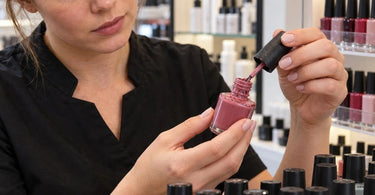
Your clients expect this quality daily... gorgeous color, smooth application, and a manicure that looks like it belongs on the cover of a beauty magazine. What they do not expect is their nail technician wrestling with a polish bottle that refuses to open because yesterday's favorite shade has turned the cap into a permanent fixture. Dried polish around the bottle neck might seem like a tiny housekeeping issue, but it can quietly affect product storage, polish consistency, and your salon's bottom line. That little crusty ring deserves more attention than it gets, especially when you are managing dozens or hundreds of bottles of professional nail polish.
For busy nail technicians, bottle maintenance is rarely the most glamorous part of the workday. Between appointments, color consultations, nail art requests, and the occasional client who changes her mind after the second coat, cleaning bottle threads can easily fall to the bottom of the priority list. Unfortunately, those neglected bottle necks can create problems that extend well beyond an unattractive polish display.
Understanding how dried polish affects bottle seals, evaporation, product consistency, and storage efficiency can help salon owners protect their inventory and keep their manicure stations running smoothly.
Why Does Nail Polish Dry Around the Bottle Neck?
Every time a nail technician removes a brush from a traditional polish bottle, a small amount of product can collect along the opening. This happens naturally during application, particularly when excess polish is wiped against the bottle rim to control how much product remains on the brush.
As the exposed polish comes into contact with air, its solvents begin evaporating. The remaining ingredients form a hardened coating around the rim or threads of the bottle.
One small smear may not cause trouble. However, repeated applications without cleaning can gradually produce a thick layer of dried lacquer.
Common situations that encourage residue buildup include:
- Wiping loaded brushes against the bottle opening during services.
- Closing bottles before removing excess polish from the rim.
- Using popular colors repeatedly throughout a busy appointment schedule.
- Allowing polish to drip onto the exterior threads.
- Leaving bottles open longer than necessary during nail art or detailed applications.
- Storing bottles with residue already trapped beneath their caps.
The result is a surprisingly stubborn coating that can interfere with the bottle's closure. That little ring of dried color is not simply decorative evidence of a productive manicure day.
How Dried Polish Around the Bottle Neck Can Affect Product Storage
The most important issue involves the seal between the bottle and its cap.
Traditional nail lacquer contains volatile solvents that help maintain the product's liquid consistency. These solvents gradually evaporate when the product is exposed to air.
A properly closed bottle helps limit that evaporation. Unfortunately, dried polish around the neck can prevent the cap from sitting against its intended sealing surface.
Even when the cap appears fully tightened, hardened residue may leave small gaps or interfere with the way the closure fits.
Over time, an inadequate seal can allow additional solvent loss, potentially making the remaining polish thicker and more difficult to apply.
In a professional salon, this matters because consistent viscosity is essential for controlled brushwork, even color distribution, and efficient application.
A bottle that once delivered beautifully smooth coats may suddenly require extra brushing, produce visible streaks, or form strings of polish between the brush and the bottle.
And nobody scheduled a manicure hoping to watch their technician negotiate with a bottle of increasingly stubborn glitter.
The Hidden Connection Between Bottle Seals and Polish Thickness
Polish thickness is influenced by the balance of its ingredients, including the solvents that keep the formula workable.
When solvent evaporates from conventional nail lacquer, the concentration of the remaining components increases. This can make the polish more viscous, sticky, or difficult to spread.
Possible warning signs include:
- Polish forming long strings when the brush is lifted.
- Uneven application despite normal brushing techniques.
- Product collecting heavily on the brush.
- Difficulty achieving thin, consistent coats.
- Visible clumps or hardened particles.
- A noticeable change in drying or application behavior.
Not every thick polish is caused by a dirty bottle neck. Age, formulation, storage conditions, and repeated opening can also contribute.
However, maintaining clean bottle rims and properly fitted caps removes one preventable source of premature product deterioration.
For salons stocking extensive color selections from brands such as OPI, Essie, and CND, protecting product consistency can make daily inventory management much easier.
Why Stuck Bottle Caps Are More Than an Annoyance
If you have ever tried opening a polish bottle with a cap that seems welded in place, you already understand the frustration.
Dried lacquer can act like an adhesive between the bottle threads and the cap. As it hardens, the cap becomes increasingly difficult to remove.
Technicians may attempt to compensate by twisting harder, using a towel for grip, or asking a coworker for assistance.
However, excessive force can damage the cap, brush assembly, or glass bottle.
A cracked bottle creates an obvious product loss and cleanup concern. A damaged closure can be less noticeable but equally problematic for storage.
Caps that become distorted or no longer close correctly may allow further evaporation, even after visible polish residue has been removed.
When a cap is severely stuck, avoid striking the bottle, applying an open flame, or using uncontrolled heat. Follow the manufacturer's recommended method for dealing with stubborn closures. If the glass or cap appears damaged, remove the bottle from service.
Sometimes the smartest salon decision is knowing when a bottle has officially retired from its career in beauty.
Can Dried Polish Contaminate the Product Inside?
There is another reason to keep bottle necks clean: dried residue can break apart.
As a technician twists a cap on or off, hardened polish around the threads may crack into small flakes.
These fragments can collect around the opening and potentially enter the product when the brush is removed or replaced.
Even small particles may interfere with application, particularly when working with smooth cream colors or sheer finishes where irregularities become visible.
Contamination can also occur when lint, dust, or cleaning residue becomes trapped around an already sticky bottle opening.
Keeping the exterior clean helps reduce these avoidable problems, although cleaning the neck cannot restore a product that has already become contaminated.
If a bottle contains visible foreign material, unusual clumps, or an unexplained change in appearance, follow the manufacturer's guidance rather than attempting to conceal the problem during a service.
How to Clean Dried Polish From a Bottle Neck
Good bottle maintenance does not require an elaborate cleaning ceremony. A brief, consistent routine is generally more effective than waiting until every bottle looks like it survived a glitter explosion.
For conventional air-dry nail lacquer, a practical cleaning approach includes the following steps.
- Inspect the opening. Look for wet polish, hardened rings, or buildup around the bottle threads.
- Use an appropriate cleaning material. When permitted by the product manufacturer, lightly dampen a lint-free wipe with a compatible polish remover or acetone.
- Clean the exterior rim and threads. Gently remove accumulated product without pushing debris into the bottle.
- Keep cleaner out of the formula. Avoid dripping remover, water, or cleaning solution inside the container.
- Check the cap. Inspect its interior threads and sealing surfaces for trapped residue or visible damage.
- Allow the exterior to dry. Make sure the cleaned area is dry before replacing the cap.
- Close the bottle correctly. Align the cap with the threads and tighten it securely without forcing it.
Always follow the manufacturer's instructions because cleaning requirements vary between traditional lacquer, gel systems, and specialty nail products.
Keep appropriate professional cotton, sponges, and wipes accessible at each station so cleaning becomes part of normal service preparation rather than a separate project.
Traditional Nail Lacquer and Gel Polish Need Different Care
Not every bottle labeled as nail polish behaves the same way.
Traditional solvent-based lacquer generally dries through solvent evaporation. This is why maintaining a secure bottle seal is particularly important for preserving its consistency.
Many professional gel polish products, however, contain ingredients that react to specific wavelengths of light.
Gel residue exposed to compatible curing light or sunlight can begin hardening around the bottle neck or cap.
That creates a different maintenance challenge from ordinary dried lacquer.
When handling professional gel polish, keep bottles away from operating curing lamps and direct sunlight. Close containers promptly and use the manufacturer's recommended cleaning method for exterior residue.
Do not automatically apply traditional lacquer cleaning techniques to every gel formulation. Some manufacturers recommend dry lint-free removal of residue, while others provide specific cleaning instructions.
Accidentally exposing a reactive gel formula to curing light can affect the product itself, not just the bottle opening.
Separating the maintenance procedures for lacquer and gel polish can help prevent costly mistakes.
Better Nail Polish Storage Starts With the Bottle
Cleaning the neck addresses only one part of effective product storage. The surrounding environment also plays a role in maintaining professional nail products.
A properly maintained salon storage area should help protect products from unnecessary heat, direct sunlight, excessive temperature fluctuations, and accidental damage.
Consider these everyday storage practices:
- Store bottles upright. Upright positioning helps limit leakage and keeps liquid product away from the cap assembly.
- Keep products away from heat. Avoid sunny windowsills, heating equipment, and areas exposed to high temperatures.
- Close bottles promptly. Replace caps between uses rather than leaving multiple shades open throughout a service.
- Organize by product type. Separate conventional lacquer from light-reactive gel systems when appropriate.
- Inspect closures regularly. Identify loose, damaged, or residue-covered caps before products deteriorate further.
- Follow storage instructions. Consult manufacturer labels and safety information for temperature, ventilation, and handling requirements.
Many conventional nail lacquers contain flammable solvents, so storage should also follow applicable fire safety rules and manufacturer safety data sheets. Keep these products away from ignition sources.
Well-organized nail tables and manicure stations can support a more efficient workflow by providing designated spaces for bottles, tools, cleaning supplies, and frequently used products.
The goal is simple: make proper storage the easiest option during a busy salon day.
How Poor Bottle Maintenance Affects Salon Inventory Costs
One damaged bottle might not seem significant. Multiply that problem across an entire professional color collection, however, and the financial impact becomes more noticeable.
Consider a salon with 150 traditional polish bottles. If preventable storage problems cause just 10 bottles to become unusable, the business must replace those products sooner than expected.
That calculation does not include the time employees spend struggling with stuck caps, searching for alternative shades, or handling product cleanup.
Popular colors are especially vulnerable because they are opened repeatedly throughout the day.
Ironically, the shades that generate the most appointments may also receive the greatest amount of wear around their bottle openings.
Protecting high-use inventory with routine maintenance can help reduce unnecessary waste while supporting predictable purchasing.
Salon owners can also use simple inventory records to identify recurring issues, such as certain colors thickening unusually quickly or closures repeatedly becoming difficult to open.
These observations may reveal maintenance problems, storage weaknesses, or product-specific concerns worth addressing.
Should You Add Polish Thinner to a Thick Bottle?
Professional nail technicians often ask whether a thickened bottle can be restored instead of replaced.
For some traditional nail lacquers, a manufacturer-approved nail polish thinner may help restore a workable consistency when solvent loss is the primary issue.
However, not every thickened formula can be recovered.
Some products may have aged beyond useful performance, developed contamination, or experienced irreversible formulation changes.
Before attempting to restore a bottle, check the product manufacturer's instructions and confirm that the thinner is compatible with the specific formula.
Avoid substituting acetone or ordinary nail polish remover for an approved thinner. These products are designed for different purposes and may negatively affect the polish formulation.
Do not add traditional lacquer thinner to gel polish, dipping systems, or other specialty products unless the manufacturer specifically authorizes that procedure.
If the product does not return to acceptable professional performance, replacement may be the most appropriate option.
A beautifully organized collection of longwear nail polish is only useful when the products inside those bottles still perform as intended.
Create a Five-Minute Bottle Maintenance Routine
One of the easiest ways to prevent dried polish buildup is to make bottle care part of the normal salon workflow.
Instead of saving every neglected cap for a major cleaning session, encourage technicians to inspect and wipe bottle openings immediately after use when required by the product instructions.
A practical routine might look like this:
During appointments: Keep frequently used bottles upright, minimize open time, and remove excess product from the exterior rim before replacing each cap.
At the end of each shift: Check the most frequently used colors for residue, loose closures, or unexpected thickening.
During weekly organization: Inspect the broader polish collection, clean compatible bottle exteriors, and identify products that need replacement or further review.
During monthly inventory: Check older shades, review storage conditions, and evaluate whether high-demand colors require replenishment.
These small actions help turn bottle maintenance into a predictable habit.
They also make it easier for staff members to identify potential problems before a client is sitting at the table waiting for her perfect shade of red.
Train Your Nail Team to Recognize Early Warning Signs
Even excellent storage systems depend on consistent staff practices.
New technicians may not realize that wiping the brush repeatedly against the rim can contribute to hardened buildup. Experienced technicians may simply be moving too quickly to notice.
Including bottle care in team training helps establish a shared standard.
Demonstrate proper brush handling, appropriate exterior cleaning, cap alignment, and the differences between lacquer and gel polish maintenance.
Encourage staff to report bottles with cracked glass, damaged caps, unusual consistency, or visible contamination rather than returning them to the storage rack.
Providing accessible manicure essentials and appropriate cleaning materials can make those expectations easier to follow.
It can also be helpful to establish a designated area for questionable products awaiting inspection or disposal.
This reduces the likelihood of another technician accidentally selecting the same damaged bottle during a future service.
Does a Clean Bottle Neck Improve the Client Experience?
Absolutely, although clients may never consciously notice the bottle threads.
They notice when their manicure begins promptly, their chosen color applies smoothly, and their technician appears prepared.
A well-maintained polish collection contributes to that experience by reducing interruptions and helping products remain usable throughout their intended service life.
Clean, organized bottles also support the professional appearance of a manicure station.
A client choosing between twenty shades of pink probably does not want to discover that half the caps require an emergency rescue operation.
Reliable tools and products allow nail professionals to focus on the details clients actually came to enjoy: beautiful shaping, precise color application, creative designs, and comfortable service.
Pairing properly maintained polish with dependable nail brushes and tools, nail files and buffers, and quality cuticle oil supports an efficient and polished manicure experience from start to finish.
When Is It Time to Replace a Nail Polish Bottle?
Maintenance helps preserve products, but it cannot make every bottle last indefinitely.
Salon professionals should evaluate a bottle for replacement when:
- The cap or bottle neck is cracked or visibly damaged.
- The closure cannot be secured properly.
- The formula remains excessively thick despite manufacturer-approved corrective steps.
- Foreign particles or suspected contamination are present.
- The product exhibits an unusual change in appearance or application performance.
- The manufacturer recommends discontinuing use based on product age or condition.
Never assume that cleaning the outside makes compromised contents suitable for professional services.
Product replacement decisions should prioritize manufacturer guidance, safe handling, and dependable application performance.
The Small Salon Habit That Protects Your Polish Investment
Dried polish around the bottle neck may be one of the smallest maintenance concerns in a busy nail salon, but its effects can reach into product storage, inventory management, service efficiency, and application quality.
Hardened residue can interfere with cap seals, contribute to solvent evaporation in conventional lacquer, create stubborn closures, and introduce unwanted particles into the product.
Fortunately, routine inspection, appropriate cleaning, secure closure, and proper storage can help prevent many of these problems.
For professional nail salons managing large collections of nail care products, consistency matters just as much behind the scenes as it does on the finished manicure.
Pure Spa Direct offers access to professional nail products and salon supplies from established manufacturers, helping beauty businesses maintain the tools and inventory needed for everyday services.
So the next time you finish painting a flawless set of nails, give that little polish bottle neck a second glance. A few seconds of attention today could spare you a sticky cap, wasted product, and an unnecessarily dramatic confrontation with a bottle of lavender lacquer tomorrow.
