
Get ahead with the right tools... and the right knowledge of where those tools actually live. Let's be real, we've all been there: It's a Saturday, the spa is buzzing, and your newest esthetician is frantically searching for a clean spatula while a client is waiting for their wax. Or worse, they are using the wrong wax for a delicate service because they grabbed the first pot they saw. A chaotic orientation where you vaguely gesture towards the supply closet doesn't just waste time; it creates anxiety, wastes expensive products, and chips away at the professional reputation you've worked so hard to build.
But a bad start doesn't have to be your origin story. A well-structured supply orientation is the secret weapon you didn't know you had. It transforms a new hire from a deer in headlights into a confident, efficient member of your team who knows exactly where to find the ItalWax and how to use the equipment. This isn't about a boring walk-through; it's about setting the stage for success, profitability, and a team that actually knows what they're doing, saving you from a thousand tiny (and not-so-tiny) headaches. Let's turn your supply closet into a command center.
The True Cost of a Chaotic Supply Closet (It's More Than Just Time)
We often underestimate the ripple effect of a weak supply orientation. When a new hire doesn't know the lay of the land, it doesn't just mean they grab the wrong massage lotion for a client with sensitive skin. That's a bad experience and a potential loss of a repeat customer. The impact goes deeper, quietly draining your business.
Wasted product is a major culprit. I'm talking about opening a new, expensive jar of sugar scrub when there's a perfectly good, half-used one hidden in the back, or pouring a gallon of shampoo down the drain because they didn't know the correct dilution ratio. It adds up to real money walking out the door. There are also the operational speed bumps: a new manicurist who can't find the nail files or a wax specialist hunting for the wax spatulas. This leads to services running over, clients growing impatient, and staff starting to feel flustered and overwhelmed. According to industry insights, the average salon experiences a 37-40% annual turnover rate, and a confusing, unsupportive start is a leading reason many new hires decide it's not the right fit .
Finally, and perhaps most damaging, is the inconsistency in service. If your staff isn't trained on the standard operating procedures for using equipment like the Facial Steamers or the correct protocol for sanitizing a Pedicure Chair, the client experience becomes a gamble. A good orientation turns all these potential disasters into a smooth, predictable, and profitable operation.
Phase 1: Before They Even Start - Pre-Orientation is Key
Believe it or not, a better supply orientation begins before your new hire even steps through the door. A little preparation goes a long way in making them feel welcomed and setting a positive, professional tone.
Create a Welcome Packet (That Doesn't Suck): Ditch the dusty binder of doom. Put together a sleek, simple digital or physical packet that gets them excited. This should be more than just policy forms. Include a welcome letter from the owner, an organizational chart so they know who's who, and most importantly, a section dedicated to your brand and its core values. Be specific. What makes your spa special? What is your philosophy on guest care? As one expert notes, this packet is your opportunity to clearly lay out your expectations, your dress code, your client communication standards, and your performance expectations, so no one has to guess .
Establish a Mentor or 'Buddy' System: Don't let them be a lone wolf. Assigning a seasoned, positive, and patient staff member as their 'buddy' is a game-changer. This person is their go-to for all the little questions they might be too shy to ask the manager: "Where do we keep the extra cotton rounds?" "Who do I talk to about a scheduling change?" "How do you handle a difficult client?" This system helps them feel connected and supported from day one .
Prepare Their Space & Credentials: Imagine showing up for your first day and your locker doesn't have a lock, you don't have a login for the booking software, and your name tag is missing. It makes you feel like an afterthought. Before their start date, have everything ready: their locker, a name tag, their uniform or Professional Spa Apparel, and most critically, their login credentials for the POS system, booking software, and staff communication platforms. A pre-onboarding checklist that confirms their arrival time, parking instructions, and who will greet them can reduce first-day anxiety and set the stage for a smooth start .
Phase 2: The Grand Tour - 'Show and Tell' with a Purpose
This is where you walk the walk. The supply tour is not a casual stroll. It's a high-impact training session. You need to be intentional, detailed, and maybe even a little theatrical.
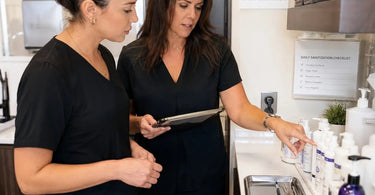
Your new hire needs to know where every last item in your inventory lives. Highlight the main supply closets, of course, but also point out overflow storage, the retail area, the back bar for each treatment room, and even the trash and recycling areas. As you move through the space, do more than just point. Open the cabinets! Show them where to find the cleaners and disinfectants, explain the difference between the ItalWax hard wax and the Soft Strip Wax, and show them the process for restocking the High-Quality Towels .
This is also the perfect time to review the layout and purpose of key equipment. Walk them through the steps for using the Towel Steamers, setting up the Professional Wax Warmers, and the proper cleaning protocols for the Nail Tables. A little time spent here on the "why" and "how" prevents mishaps and reinforces your standards of cleanliness and professionalism. As you wrap up, ensure they know how to access your cleaning and disinfecting supplies, as daily sanitation is non-negotiable.
Phase 3: Hands-On Training & The 'Service Comfort' Guide
Now for the really fun part—letting them get their hands dirty (professionally speaking, of course). A great orientation bridges the gap between knowing where things are and knowing how to use them effectively.
Master the Equipment: You can't expect a new esthetician to be an expert on your High Frequency Machines or Microcurrent Machines just from watching a video. Dedicate time for hands-on practice, ideally on mannequins or even on a willing volunteer. This is where they learn your specific protocols for draping, product application, and machine settings, building muscle memory and confidence. A great tip is to have them rate their confidence level with each service or piece of equipment on a scale of 1 to 10. This instantly shows you where their strengths are and where they need more support, creating a personalized roadmap for their success .
Product Knowledge that Sells: Your supplies aren't just tools; they're your retail lifeline. Your orientation should include a deep dive into your key product lines, like Tuel Skincare or ItalWax. It's not enough to know what it is; they need to know the story, the benefits, and the ingredients. This product knowledge is the key to successful retail sales. Teach them how to describe the benefits of a Sugar Scrub versus a Salt Scrub or recommend the right Premium Skincare product for a client's concern.
Scenario Training: Role-playing isn't just for actors. Run through common scenarios with them: "A client is booking a last-minute appointment and wants our most popular facial. What do you say?" or "What would you do if a client is unhappy with their service?" This builds their problem-solving skills and confidence, ensuring they can handle real-world situations with grace and professionalism .
Phase 4: Ongoing Support & 'The 90-Day Plan'
Remember, orientation is a process, not a single event. The first few months are critical for new hires to fully integrate into the team and workflow. Having a structured 90-day plan ensures continued support and accountability.
Break down the first 90 days into clear phases. For example, the first two weeks can be focused on shadowing and absorbing, where they observe the team and learn the daily rhythm without direct client pressure. The next phase (weeks 3-6) can introduce supervised client work, where a senior team member observes and provides feedback. Finally, the last phase can be more independent work with regular check-ins to assess progress and address any questions . Regular feedback sessions during this period are crucial. These aren't just performance reviews; they're opportunities to offer guidance, acknowledge their progress, and make sure they still feel a sense of belonging .
Most importantly, keep the communication lines open and make it clear that questions are always welcome. Remind them to use the Pure Spa Direct website as a resource. Encourage them to check out the detailed product descriptions and brand pages to learn about all the retail products you offer. A well-supported employee is an engaged employee.
Conclusion: Turning Your Team Into Supply Ninjas
Building a better new-hire supply orientation is one of the smartest investments you can make in your business. It eliminates confusion, reduces waste, ensures consistent service, and, most importantly, shows your new employees that you value their success. By ditching the aimless tour and implementing a structured, engaging, and supportive process, you're not just teaching them where the supplies are; you're empowering them to become confident, knowledgeable professionals who contribute to your spa's growth.
So, the next time you have a new hire starting, treat them like a VIP in training, not a lost tourist. Equip them with the knowledge and the best supplies from Pure Spa Direct, and watch your team—and your profits—flourish.
)