
Make every effort count when treating those deep, painful bumps that feel like unwelcome, uninvited guests camping out under the skin. As professionals, we know cystic acne is a whole different beast compared to surface-level breakouts. These "lurkers" form deep within the skin, creating swollen, red, and often painful nodules or cysts that are notoriously stubborn to treat. The instinct for both you and your client is often to declare war with the strongest spot treatment available. However, the real artistry lies in a strategic, precise approach that neutralizes the blemish while safeguarding the skin's precious barrier. It's like performing delicate surgery, not launching a scorched-earth campaign. This guide will walk you through exactly how to master that balance, ensuring you deliver clear results without compromising skin health. For all the tools to support these treatments, from precise applicators to calming moisturizers, explore our comprehensive range of Spa Tools & Implements for Professionals and Premium Skincare Products for Spas and Salons.
The connection between a damaged skin barrier and persistent breakouts is a cycle many clients get tragically stuck in. The skin barrier, or moisture barrier, is the skin's frontline defense system. When it's compromised—often by harsh products, over-exfoliation, or even some aggressive acne treatments—it leads to transepidermal water loss and inflammation. This weakened state can actually create an environment ripe for more breakouts, turning a targeted treatment plan into a frustrating game of whack-a-mole. For clients in this cycle, incorporating Serenity Essentials can help address stress, a known trigger, while repairing the barrier becomes step one.
Understanding the Enemy: What Makes Cystic Acne So Stubborn?
Before you can treat it effectively, you need to know what you're up against. Unlike a whitehead, a cystic pimple is like an oil-filled balloon that forms deep beneath the skin's surface. It's the result of a pore that becomes so clogged with oil, dead cells, and bacteria that it swells with significant inflammation. This deep-rooted nature makes it less responsive to superficial treatments and carries a much higher risk of scarring, especially if picked at. Hormones, genetics, and stress are major players, which is why you might see these deep breakouts recurring in the same spot, often along the jawline, in a cyclical pattern. Tools like Magnifying Lights are invaluable for assessing these deep lesions accurately during a facial.
The Golden Rule: Never, Ever Pick or Pop
This is the cardinal sin in cystic acne treatment, and it's your job to be the voice of reason. "You increase your risk of infection and scarring," full stop. Popping a cystic pimple is like trying to pop a balloon that's buried under a rug—you're more likely to rupture the follicle wall and push the infection deeper into the dermis. Instead, educate your clients on a safer, more professional alternative: applying gentle warmth. Recommend they press a clean, warm, damp towel to the area for a few minutes at a time to help soothe pain and encourage the body's natural inflammatory response to calm down. This is where a professional-grade Facial Steamer used in-treatment can provide superior, controlled benefits.
Building the Perfect Pre-Treatment Canvas
You wouldn't paint a masterpiece on a dirty, uneven canvas, and you shouldn't apply a potent treatment to unprepared skin. The pre-treatment steps are crucial for barrier protection.
1. Cleanse with Intelligence, Not Aggression: Start with a gentle, yet effective cleanser. The goal is to dissolve oil and remove impurities without stripping the skin. Look for formulas with calming ingredients or low percentages of actives. For instance, a cleanser with a bit of salicylic acid can be beneficial, but let it sit on the skin for 30-60 seconds as a "short-contact therapy" before rinsing to maximize efficacy without over-drying. A fantastic gentle option is a Milk Cleanser, which cleanses without compromise. For a deeper cleanse during treatments, consider the power of Hydrodermabrasion.
2. Apply a "Buffer" Moisturizer (The Pro Secret): This is the game-changer for preventing barrier damage. Before the spot treatment touches the skin, apply a light, oil-free, non-comedogenic moisturizer all over the face. This creates a protective buffer. Ingredients like ceramides, niacinamide, or hyaluronic acid are ideal as they help restore the skin's protective barrier. It's like putting a base coat on a wall before adding a bold color—it protects the surface. We recommend a product like our Ayur-Medic Advanced Holistic Skincare moisturizers for this purpose.
The Main Event: How to Apply Spot Treatment Like a Pro
Now, for the precision strike. With the skin buffered and calm, you can apply the treatment with confidence.
Choosing Your Weapon (Ingredient):
- Benzoyl Peroxide (BPO): Excellent for its bacteria-killing and anti-inflammatory properties. The key here is low concentration. Studies show 2.5% BPO can be as effective as higher doses but with far less risk of dryness and irritation. It's a first-line topical treatment.
- Salicylic Acid: A beta hydroxy acid (BHA) that exfoliates inside the pore. It's "famous for eradicating P. acnes bacteria" and is ideal for helping to unclog the deep, impacted material in a cyst. Look for leave-on treatments with 2% concentration.
- Sulfur: A powerhouse for unclogging pores and reducing excess oil without over-drying, making it ideal for shrinking deep blemishes.
- Adapalene (a Retinoid): The only over-the-counter retinoid approved for acne. It decreases inflammation, prevents new acne from forming, and helps with post-acne discoloration. It's a "great first line of defense" but can be drying, so the buffer step is extra important.
The Application Technique:
- Use a Tiny Amount: Less is more. A pea-sized amount is enough for multiple spots.
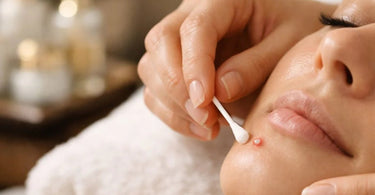
- Target with Precision: Using a clean cotton swab or a professional Applicator, dab the tiniest dot of product only onto the very apex of the cystic bump. Avoid spreading it onto the surrounding healthy skin.
- Let it Dry: Allow the product to absorb and dry completely before applying any other product over it.
- Frequency is Key: Start with once daily application, preferably in the evening. Monitor the skin's tolerance. Never layer multiple potent actives (like BPO and retinoids) on the same spot at the same time.
For advanced treatment options, explore the technology behind Radio Frequency (RF) Machines or High Frequency Machines, which can complement topical care.
The Non-Negiable Follow-Up: Barrier Repair and Soothing
The work isn't done when the treatment is applied. The next 24 hours are about support and repair.
Seal it In: After your spot treatment has dried, you can apply a little more of your barrier-repair moisturizer over the entire face, including the treated area, to lock in hydration.
Morning After Sun Protection: This is non-negotiable. Many acne treatments increase photosensitivity. The next morning, clients must use a broad-spectrum sunscreen. This prevents post-inflammatory hyperpigmentation and protects the already vulnerable barrier from UV damage, which can degrade the stratum corneum. Recommend an oil-free, non-comedogenic formula. A Dewy Sunscreen can be a great choice.
Spot-Soothe with Hydrocortisone (For Extreme Cases): For a cyst that is exceptionally red, swollen, and painful, dermatologists will sometimes use a dab of 1% hydrocortisone cream for a day or two to drastically reduce inflammation. This should be used sparingly and with caution, but it's a good tool to know about for severe client flare-ups. Always follow professional guidelines.
What to Avoid: The Quickest Ways to Wreck a Barrier
- Over-Exfoliation: "Over-exfoliating can strip your skin's natural oils, leading to dryness and a damaged barrier." Stick to gentle chemical exfoliation (like AHAs/BHAs) and avoid harsh scrubs on active cystic areas.
- Using Multiple Actives Simultaneously: Throwing everything at the problem is a recipe for barrier disaster. Pick one targeted active for the spot and support the rest of the skin with gentle, repairing ingredients.
- Ignoring Hydration: "All types of skin need hydration—even the types prone to breakouts." Using an oil-free moisturizer is essential, not optional.
- Forgetting the Big Picture: Remind clients that factors like a high-sugar diet, stress, and lack of sleep are part of the "acne exposome" and can trigger flare-ups. Services like Aromatherapy can be wonderful adjuncts for stress management.
When to Escalate: The Role of Professional Treatments
As a pro, you know when a situation calls for the big guns. If a client's cystic acne is widespread, severe, or not responding to careful topical care, it's time to recommend a dermatologist. They may need prescription-strength retinoids, oral antibiotics, hormonal therapies like spironolactone, or isotretinoin (Accutane) for severe, long-term cases. Your skilled care sets the foundation, and your referral protects their long-term skin health.
In your treatment room, you can enhance results with advanced technology. Consider incorporating LED Light Therapy (blue light to kill acne bacteria), or performing a gentle Dermaplaning treatment on non-active areas to improve product penetration. Always ensure impeccable hygiene with Professional Cleaners & Disinfectants.
Mastering the art of the spot treatment is about finesse, not force. By prepping the skin, choosing the right active, applying it with surgical precision, and following up with diligent barrier support, you can help your clients conquer cystic acne without leaving their skin vulnerable, sensitized, or scarred. It's this level of thoughtful, professional care that builds trust, ensures results, and turns a frustrated client into a loyal advocate for your expertise. For everything you need to build this level of service, from furniture to retail, visit Pure Spa Direct.
