
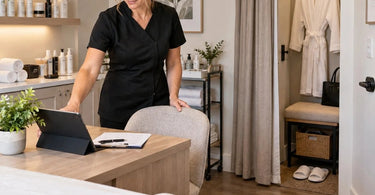
Upgrade your offerings with this now. If your treatment room is the size of a postage stamp and your clients are doing the world's most awkward one-legged pants dance behind a sad little curtain, you are not alone. Most spa and salon professionals working with tight square footage have experienced the unique horror of watching a client try to disrobe gracefully in a space smaller than a phone booth. But here is the good news: you do not need to knock down walls or relocate to a bigger suite to create a changing area that feels intentional, private, and dare we say it, luxurious. You just need to be smarter than the room.
The secret to a great changing area in a small treatment room is not about claiming more floor space. It is about layering privacy, functionality, and sensory cues that tell your client's nervous system: you are safe, you are cared for, and nobody is going to see your underwear. This is especially critical because in many solo esthetician or massage setups, the treatment room itself is the transition space. That means every detail, from where you hang a robe to what your client sees when they first walk in, is doing double duty. Let us walk through how to transform even the tiniest corner into a changing area that feels deliberate and even a little bit spa-magical.
Start With the Privacy Problem (Because Nobody Wants to Flash the Hallway)
The number one complaint from clients in small treatment rooms is not the lack of square footage. It is the lack of visual privacy. A flimsy curtain that does not quite reach the floor or a screen that wobbles every time someone breathes is not going to cut it. If you are working with a shared space or a room where the door opens directly into a common area, you need a privacy solution that is both functional and attractive.
Consider a folding screen or partition that is tall enough to block sightlines completely. A four-panel room divider can work beautifully in a corner, creating a dedicated changing nook without permanent construction. Look for options with double hinges so you can bend the panels to fit awkward angles, and choose materials that feel substantial rather than flimsy. Bamboo, wood frames, or even translucent polycarbonate panels can provide privacy while still allowing light to filter through so the space does not feel like a cave. If you want something more permanent but still space-conscious, a wall-mounted folding screen that folds flat against the wall when not in use is a brilliant solution. It takes up almost no floor space and disappears when your client is on the table.
For those who prefer a softer approach, a ceiling-mounted privacy curtain track with a high-quality, floor-length curtain can work wonders. Just make sure the curtain actually reaches the floor and overlaps enough to prevent gaping. A curtain that stops six inches above the ground is basically an invitation for accidental exposure. Pair it with a weighted hem so it hangs straight and does not billow like a ghost every time the HVAC kicks on.
Give Them a Place to Sit (and Hang, and Put Their Stuff)
Once privacy is handled, the next challenge is giving your client somewhere to actually put their body and their belongings. A changing area without a seat is just a standing area with anxiety. Even a small stool or bench makes a massive difference in how comfortable a client feels while removing shoes, socks, and clothing. Look for a compact bench or stool that can tuck under a counter or slide into a corner when not in use. Upholstered options in easy-to-clean materials like performance fabric or vinyl are ideal for spa and salon environments.
But a seat is only half the battle. Your client also needs somewhere to hang their clothes and place their personal items. A simple wall-mounted hook rack or a sleek valet stand can solve this problem without eating up floor space. If you have a robe for your client to wear, having it hanging visibly in the changing area signals exactly what they should do and eliminates that awkward moment of wondering whether they should get fully undressed or not. A small shelf or basket for personal items like phones, glasses, and jewelry is also a thoughtful touch. Nobody wants to balance their iPhone on the edge of a sink while trying to wiggle out of jeans.
If you are tight on horizontal space, go vertical. Wall-mounted hooks, floating shelves, and over-the-door organizers can all add functional storage without sacrificing precious inches. Just be mindful of what your client sees from the treatment table. Visual clutter in the changing zone can bleed into the relaxation experience, so keep it tidy and intentional.
Make It Feel Like a Destination, Not a Penalty Box
Here is where the magic happens. A changing area does not have to feel like a utilitarian afterthought. With a few sensory cues, you can turn that tiny corner into a moment of transition that actually enhances the treatment. Think about what your client experiences in those first thirty seconds: what do they see, smell, and feel? If the answer is a bare wall and a plastic hanger, you are missing an opportunity.
Lighting is the fastest way to shift the nervous system. Harsh overhead light keeps the brain alert and anxious. Warm, indirect light signals safety and relaxation. If you can add a small table lamp, wall sconce, or even a battery-operated puck light with a warm bulb in your changing area, do it. A dimmable option is even better because you can adjust the mood for different services or times of day. If you are working with limited electrical outlets, flameless candles can add warmth without the fire hazard. The goal is to help your client's shoulders drop before they even get on the table.
A distinct surface underfoot can also signal arrival. A small rug or mat in the changing zone creates a visual and tactile boundary between the outside world and the treatment space. It is a micro-space cue that tells the nervous system: this moment is different. Choose something soft, washable, and in a calming color. Avoid anything too fluffy that will shed or trap moisture, especially in waxing or massage rooms.
Scent is another powerful tool, but use it sparingly. A single essential oil diffuser on a low setting or a lightly scented sachet in the changing area can create a consistent emotional signature for your spa. If a client comments on the scent before they sit down, it is probably too strong. The goal is a whisper, not a shout. Consistency matters more than intensity, so choose one signature scent and use it lightly throughout the space.
Use Furniture That Works Harder Than You Do
In a small treatment room, every piece of furniture needs to earn its keep. That means looking for multi-functional pieces that can serve double duty. A storage bench, for example, can provide seating while also hiding extra linens, towels, or supplies. A rolling cart with a flat top can act as a side table in the treatment area and then roll into the changing zone to hold personal items. Even a simple folding stool can be tucked away when not in use and pulled out only when a client needs to sit down.
When choosing furniture for your changing area, prioritize pieces that are easy to clean and move. Commercial-grade upholstery, wipeable surfaces, and lightweight frames are your friends. If you are in a waxing room, avoid anything with crevices or porous textures that can trap wax residue. If you are in a massage room, look for materials that feel warm to the touch rather than cold and clinical. The goal is comfort without maintenance headaches.
Consider adding a small mirror to the changing area. Not for vanity reasons, but because it helps clients orient themselves and feel more put together before they get on the table. A mirror also bounces light around a small space, making it feel larger and brighter. Just make sure it is positioned so your client is not staring at themselves while trying to undress. A slightly angled or decorative mirror works better than a full-length one in most small treatment rooms.
Keep the Flow Between Changing and Treatment Seamless
The transition from changing area to treatment table should feel effortless. If your client has to navigate around a wobbly screen, step over a pile of towels, or squeeze past a cart to get to the bed, the relaxation spell is broken before it begins. Clear a direct path between the two zones, even if the path is only two feet wide. Remove any obstacles that could trip someone up, especially if your client is wearing a robe or has limited mobility.
Make sure the treatment table is visible and ready when your client emerges from the changing area. If the table is still piled with supplies or covered in a wrinkled sheet, it undermines the sense of preparation and care. A neatly made table with a clean sheet, a warmed pillow, and any necessary bolsters or props signals that you are ready for them and that their comfort is your priority. This is especially important in small rooms where the changing area and treatment area are essentially the same space. The visual cue of a prepared table helps the client shift from "I am getting undressed" to "I am about to receive care."
If your room allows, consider placing the changing area so that the client's back is not to the door when they are undressing. This small detail can make a big difference in how vulnerable they feel. If the layout forces their back to the door, use a screen or curtain arrangement that blocks the sightline from the doorway. Even a partial screen can reduce that feeling of exposure.
Small Details That Make a Big Difference
Sometimes the smallest touches have the biggest impact on how a changing area feels. A robe hook at the right height, a small tray for jewelry, a basket for used linens, a discreet waste bin, and a pair of comfortable slippers or disposable foot covers can all contribute to a sense of thoughtfulness. These details tell your client that you have anticipated their needs and that you care about their experience beyond the treatment itself.
Pay attention to the height of your hooks and shelves. If a client has to reach over their head to hang a coat or bend down awkwardly to put on shoes, the changing area becomes a source of physical discomfort rather than ease. Hooks at shoulder height, a bench at a comfortable seat height, and shelves within easy reach all contribute to a smoother experience. If you serve clients with limited mobility or different body sizes, test your setup with a critical eye. What works for a five-foot-two yoga instructor might not work for a six-foot-two construction worker.
Temperature control is another often-overlooked detail. Small rooms can get stuffy or chilly quickly, and a client who is undressed will feel temperature changes more acutely. If you cannot control the HVAC independently, a small space heater or fan can help, but make sure it does not create noise or drafts that disrupt the treatment. A warmed robe or a heated neck wrap offered during the changeover can also provide immediate comfort and signal care.
Make It Yours (Without Making It Cluttered)
Your changing area should reflect the personality and branding of your business, but restraint is key in a small space. One or two well-chosen decorative elements, like a small vase with a single stem, a framed quote, or a beautiful candle, can add warmth without clutter. Avoid covering every surface with product displays or promotional materials. The changing area is not the place for a hard sell. It is the place for soft care.
If you want to showcase retail products, do it in the reception area or treatment room, not in the changing zone. The changing area should feel calm, uncluttered, and focused on the client's comfort. A single well-placed product, like a bottle of body oil or a beautifully packaged hand cream, can act as a subtle suggestion without overwhelming the space. But keep it minimal. A cluttered changing area feels stressful, not soothing.
Consider the soundscape of your changing area as well. If your treatment room is near a noisy hallway or reception area, a small white noise machine or a discreet speaker playing soft ambient music can mask distracting sounds and create a more private atmosphere. The goal is not to create a soundproof booth but to soften the edges of the outside world so your client can transition into a quieter state of mind.
Bringing It All Together: A Changing Area That Works
Creating a better changing area in a small treatment room is not about spending a fortune or undertaking a major renovation. It is about being intentional with the space you have and prioritizing your client's comfort and dignity at every step. Privacy, seating, storage, lighting, and sensory cues all work together to transform a cramped corner into a thoughtful transition zone. When your client feels safe and cared for in the changing area, they arrive at the treatment table already relaxed, already trusting, and already primed for a better experience.
Start with the privacy solution that fits your space and your budget. Add a seat and a hook. Layer in warm light and a subtle scent. Keep the path to the treatment table clear and the table itself prepared. And remember that the smallest details, like a tray for jewelry or a robe at the ready, often make the biggest difference. Your treatment room may be small, but your client's experience of it does not have to be. With a little creativity and the right products, you can create a changing area that feels like a deliberate part of the spa journey rather than an awkward necessity.
