
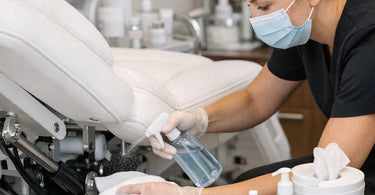
Unlock the power of a perfectly functioning facial bed, and you unlock the secret to smooth services, happy clients, and a lower stress level. Let us be real for a second: nothing ruins the vibe of a relaxing facial quite like a bed that sounds like a dying goose when you try to lower it, or the horror of a hydraulic lift that suddenly drops your client three inches mid-treatment. We have all been there, pretending not to notice the ominous squeak or the slight wobble, hoping the bed just fixes itself with positive thoughts. Spoiler alert: it will not. Maintaining your equipment is the boring, unsexy part of running a spa, salon, or med spa, but honey, it is the difference between looking like a pro and looking like you bought your gear from a haunted garage sale. Today, we are diving deep into the greasy, electric, totally necessary world of keeping your Facial Beds in tip-top shape. Whether you are rocking a classic hydraulic model or a fancy electric Advanced Spa Equipment unit, this guide will save your back, your sanity, and your bank account.
Think of your facial bed as the hardest working employee in your treatment room. You expect it to lift, lower, tilt, and hold steady for hours on end, all while getting slathered in mysterious goo and harsh chemicals. Do you ever thank it? Do you ever take it out for a nice dinner or, you know, tighten its screws? Probably not. That is okay, we are all guilty. But ignoring the maintenance of your hydraulic mechanisms and electrical components is like ignoring a toothache—it is only going to get more painful and expensive. A high-quality Luxury Spa Furniture piece is an investment, and like any good investment, it needs a little TLC. So grab your favorite cleaning cloth, maybe a screwdriver, and definitely a cup of coffee, because we are about to get our hands a little dirty (in a totally professional, non-creepy way).
Why Your Facial Bed Deserves Better Than Just a Wipe Down
Before we get into the nitty-gritty of gears and wires, let us talk about the elephant in the treatment room. You wipe down your Top-Quality Equipment & Furniture after every client, right? That shiny vinyl looks great. But underneath all that foam and leather, a tiny war is being waged. Dust, hair, spilled serums, and the occasional rogue drop of massage oil are all plotting to destroy your hydraulic pump or fry your electrical board. Sounds dramatic, but it is true. When you neglect the mechanical soul of your bed, you are basically asking for a mid-treatment catastrophe. I have seen a hydraulic pedal stick so badly that the esthetician had to physically sit on the bed to get it to go down. Hilarious? Yes. Awkward for the client? Absolutely. Preventable? One hundred percent. A little regular maintenance is the difference between a smooth, silent, almost magical adjustment and a scene from a slapstick comedy. So, let us commit to being the grown-ups in the room and actually take care of our stuff, shall we?
The Lowdown on Hydraulic Mechanisms: Listen for the Squeaks
Hydraulic beds are the workhorses of the industry. They are reliable, they do not need to be plugged in, and they have a certain old-school charm. However, their power comes from pressurized fluid, and that fluid can get cranky. The most common issue with a Spa Masters or Prosana hydraulic bed is air getting into the system or the fluid simply wearing out. You will know this is happening when you press the pedal and the bed lowers itself slowly without any weight on it, or when it makes that embarrassing squishing sound. First, check the fluid level (yes, your bed has hydraulic fluid, just like your car, but hopefully less greasy). Most units have a small plug on the cylinder. If it is low, top it up with the recommended hydraulic oil. Not sure what kind? Check the manual. Lost the manual in the great paperwork avalanche of 2021? No judgement. Try searching online or call the manufacturer. At Pure Spa Direct, we carry parts for many professional-grade brands like Earthlite and Oakworks, so you can often find replacement parts without buying a whole new bed.
Bleeding the System (Not as Scary as It Sounds)
If your hydraulic lift is feeling spongy or inconsistent, you have got air in the lines. It is time for a “bleed.” Do not worry, no needles are involved. You simply need to cycle the bed through its full range of motion a few times to push the air bubbles out. Pump the bed all the way up to its highest height. Then, let it all the way down. Do this about ten to fifteen times. If you hear a little sputter, that is just the air escaping. After a few cycles, the lift should feel firm and consistent again. If it does not, you might have a leak. Get down on your hands and knees and look for fluid on the floor or on the cylinder. A little bit of dampness is okay, but actual drips mean you likely need a seal replacement or a whole new cylinder. It is annoying, but replacing a cylinder is way cheaper than replacing the entire Stylish Salon & Barber Furniture piece. And please, for the love of all that is holy, do not ignore a leak. Hydraulic fluid on your nice salon floor is a slip hazard, and your liability insurance will not think it is funny when a client goes down like a ton of bricks.
Electrical Components: Water is NOT Your Friend
Now, let us talk about the fancy electric beds. I love an electric Professional Salon Equipment bed. Nothing says luxury like a smooth, motorized whir as you adjust the headrest or raise the entire bed to the perfect working height without breaking your back. But electricity and water-based facials go together like oil and water (literally). The number one killer of electric facial beds is moisture. Not just spills, but ambient humidity. Over time, steam from a Facial Steamer can creep into the control box and cause corrosion or short circuits. You must be vigilant. First, make sure your bed's electrical connections are not directly in the line of fire of your steamer. Position your equipment wisely. Second, inspect the cords regularly. Look for frays, cracks, or places where the plastic might be melted from contact with certain chemicals. If the cord looks like it has been through a war, replace it before it starts a war (or an electrical fire).
The Dreaded “Click of Death” (And How to Avoid It)
You press the button on your electric bed remote, and all you hear is a sad little click. No movement. Just... silence. We call this the click of death. It usually means the motor is trying to engage, but it cannot. This could be because the mechanism is jammed, the motor is burnt out, or (most commonly) the limit switch is stuck. Limit switches tell the motor when to stop moving so it does not tear itself apart. Sometimes, these little switches get gunked up with dust and product residue. Unplug the bed (always unplug before sticking your fingers anywhere), and locate the limit switches along the rails of the lift mechanism. Give them a gentle clean with a dry cloth or a Q-tip. Make sure they are clicking in and out properly. Often, this simple fix brings your bed back from the dead and saves you a very expensive service call. If it is still clicking and not moving, the motor might be seized. At that point, it is time to call in a pro or look for a replacement Massage Table Warmers & Toppers compatible motor from a brand like Custom Craftworks.
Lubrication: The Secret to Silent Operation
Whether your bed is hydraulic or electric, it has moving parts. Hinges, pivots, rollers, and screws all need to slide past each other without screaming for mercy. A dry metal-on-metal joint is the primary cause of that embarrassing squeak that announces your every adjustment to the waiting room. You need to lubricate these parts regularly. But do not just grab any old can of WD-40 and go to town. WD-40 is a solvent and water displacer, not a long-term lubricant. It will work for about five minutes, and then your squeak will come back with a vengeance. Instead, use a silicone-based lubricant or a light machine oil. Spray or apply a tiny amount to the hinge points and lift mechanism joints. Then, cycle the bed a few times to work it in. Wipe away any excess so it does not drip onto your floor or your clean linens. This little act of maintenance once a month will keep your bed moving like butter and sounding like a whisper.
Foot Pedals and Remotes: The Unloved Heroes
We abuse our foot pedals. We kick them, we drag them across the floor, we spill things on them. And then we get mad when they stop working. Your hydraulic foot pedal is a precision instrument, believe it or not. It has tiny valves and springs inside. If it is sticky, try cleaning out the base of the pedal. Sometimes, a little piece of hair or lint gets lodged in the mechanism. For electric remotes, the enemy is usually the cord. The cord gets bent, twisted, and run over by the bed itself. Inspect the cord where it meets the remote and where it plugs into the bed. This is the most common failure point. If your remote is acting glitchy, try unplugging it and plugging it back in (the classic IT move). If that does not work, and you have checked the batteries (yes, some remotes have batteries), you might need a replacement. The good news is that many brands like Equipro and Silhouet-Tone offer individual replacement parts, so you do not have to buy an entirely new bed just because your remote went for a swim in a bowl of toner.
Cleaning Protocols That Won't Destroy Your Investment
You are a cleaning ninja. You spray, you wipe, you disinfect. But watch what you are spraying. Harsh chemicals like bleach, acetone, or high-concentration alcohol can eat through the protective coatings on your bed's electrical components and degrade the seals on your hydraulic cylinders. They can also make your beautiful Salon & Spa Bedding look tie-dyed in the worst way. When cleaning around the mechanical parts, spray your cloth, not the equipment. Never directly spray a disinfectant into the lift mechanism or near the electrical panel. That moisture will find its way inside and cause rust or shorts. Use a damp (not soaking wet) cloth to wipe down the metal parts, and follow up with a dry cloth. Treat your bed's internals like you would treat a High Frequency Machine—with respect for its delicate nature.
When to Call for Backup (And When to Throw in the Towel)
Listen, I am all for DIY. I once fixed a wobbly leg on a Nail Tables and Manicure Stations with a stack of napkins and sheer determination. But there comes a time when you need to call a professional. If you hear grinding sounds coming from the motor, if there is visible sparking, if the bed moves erratically or drops suddenly, or if you smell something burning, STOP. Unplug the unit immediately. Do not play around with electricity or high-pressure hydraulics. It is not worth your safety or your client's safety. Call a local equipment repair service or contact the manufacturer for a certified technician. And if the repair quote is more than 50% of the cost of a new bed, it might be time to go shopping. Check out our collection of Top Quality Massage Tables Chairs for Relaxation & Wellness for a worthy successor. Sometimes, you just have to let the old girl retire.
Creating a Maintenance Schedule That Sticks
Knowing what to do is half the battle. Actually doing it? That is the war. You are busy. You have clients to see, wax to melt, and ItalWax - Wax to sling. Maintenance is easy to push to the bottom of the to-do list. So, automate it. Put a reminder in your phone for the first of every month: “Bed Maintenance Day.” Make it a ritual. Put on some music, grab your toolkit, and spend fifteen minutes checking every bed in your spa. Tighten any loose bolts you find on your Stylish and Functional Nail Salon Furniture Essentials and your facial beds. Lubricate the moving parts. Test the hydraulics and electrics. Give them a little pat and say, “Good bed.” It sounds silly, but it works. A quick monthly check can catch a small problem before it becomes a tragic, client-dropping, end-of-the-world disaster.
The Bottom Line: Happy Bed, Happy Business
Your equipment is the stage upon which you perform your magic. Whether you are doing a basic European facial, a Hydrodermabrasion treatment, or a relaxing massage, the stability and smooth operation of your bed directly impact the client experience. No one feels relaxed on a bed that is lurching and groaning. By taking care of the hydraulic mechanisms and electrical components, you are not just fixing a machine; you are protecting your reputation. You are ensuring that when you reach for that Premium Skincare Products for Spas and Salons, your focus is on the skin, not on the weird noise coming from under the bed. So, be a hero to your future self. Spend a little time on maintenance today, and you will save yourself a world of tears (and expensive repair bills) tomorrow. Now, go forth and tighten those screws, you fabulous, bed-fixing geniuses. And remember, when you need parts, tools, or even a whole new bed, we have got your back here at Pure Spa Direct. We are the distributors who actually care about whether your bed goes up and down. Happy maintaining!
