
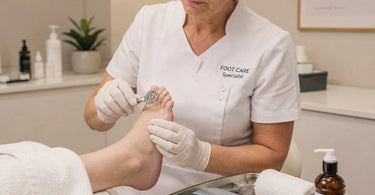
Tools that simplify your success... and keep your clients coming back for more are the unsung heroes of our industry. Let's be real: if you have a bumpy, dull, and inefficient tool, you're going to have a bumpy, dull, and inefficient service. Whether you're running a high-end spa, a bustling nail salon, or a holistic wellness center, the details matter. One detail that often gets overlooked is the humble but mighty corn plane. This little tool is the true hero of any pedicure service, transforming rough, calloused feet into baby-soft masterpieces. But like any superhero, it needs its kryptonite—which, in this case, is proper maintenance. A sharp, well-cared-for corn plane is the secret to a smooth, satisfying service that leaves your clients feeling like they're walking on clouds. A dull one? That's a recipe for frustration, uneven results, and potentially unhappy feet. So, let’s dive into the world of corn plane care. We'll make sure your pedicure game stays strong, your clients stay happy, and your tools stay sharp enough to sing.
For the uninitiated, a corn plane is a small, handheld tool designed to gently and safely pare down hardened skin, corns, and calluses. It’s a staple in pedicures and foot treatments, allowing professionals to refine the skin's texture without causing trauma. But here’s the catch: to use it effectively, you need to maintain its sharpness. A sharp blade makes the job easier, safer, and much more comfortable for your client. It glides, it exfoliates, and it gets the job done without a fight. A dull blade? That’s like trying to use a butter knife to chop a carrot—it’s messy, inefficient, and dangerous. When a corn plane is dull, you’ll find yourself applying more pressure, which increases the risk of slipping and causing nicks, cuts, or abrasions. It's a lose-lose situation. That’s why we’re here to talk about the art and science of corn plane care.
Understanding Your Mighty Little Tool: The Anatomy of a Corn Plane
Before we get into the nitty-gritty of maintenance, let’s get to know our star player. A typical professional corn plane has a few key parts: the blade, the slider, and the handle. The blade is the star of the show; it's the sharp bit that does all the heavy lifting. The slider is the part that holds the blade and moves to expose it, and the handle is where you grip the tool. Understanding this simple anatomy is crucial because each part plays a role in the maintenance process. The goal is to keep that blade in optimal condition, not just by replacing it but by handling it with the care and respect it deserves. Think of it like your favorite pair of shears: you'd never use them on foil, and you'd never store them in a drawer with your keys. Your corn plane deserves the same level of care.
Our Top 5 Tips for Maintaining the Sharpness of Professional Corn Planes
Here is our guide to ensuring your corn planes are always in tip-top shape:
1. Before and After Use: The Golden Rule of Cleaning
Just like you wouldn't leave a used spatula sitting out, you shouldn't leave a corn plane coated in dead skin. The very first step to maintaining sharpness is keeping the blade clean. After each use, use a nail brush or an old toothbrush to gently remove excess skin and debris from the blade and slider. This prevents buildup that can dull the blade and harbor bacteria. Think of it like brushing your teeth—it's a quick habit that prevents major problems down the line.
2. Dry It Off Like You Mean It
Moisture is the enemy of any sharp tool. After cleaning, make sure you thoroughly dry the corn plane with a clean, soft towel. This helps prevent rust, which can quickly ruin a fine edge. Store your tools in a dry, clean environment. If you want to go the extra mile, use a bit of rubbing alcohol to sanitize and speed up the drying process. A little care goes a long way in preserving that sharp edge. Proper hygiene practices are essential, and your tools should be no exception.
3. Regular Sharpening vs. Replacement: The Honest Truth
Here’s a little secret: most professional corn planes have replaceable blades. Yes, you can get the blade itself sharpened, but it's often more economical and time-efficient to simply replace the blade. Think of it like a disposable razor—you can’t really sharpen those little blades effectively, so you just pop a new one on. For the professional pedicurist, having a stock of quality corn plane replacement blades on hand ensures you’re always working with a fresh, sharp edge. This is non-negotiable for providing a flawless service and reducing the risk of nicks. A simple solution for a sharp result.
4. Replace Blades When Dull (Don't Be a Hero!)
You wouldn't try to build a house with a broken hammer, so why would you use a dull corn plane? It’s like that friend who never knows when to quit—the corn plane keeps trying, but it just ends up making everything harder. A dull blade isn’t just inefficient; it’s a safety hazard. A sharp blade requires minimal pressure, gliding smoothly over the callus to remove thin, fine layers. A dull blade forces you to press down harder, increasing the risk of slipping and causing cuts. It also makes the treatment less comfortable for the client. So, when you feel that resistance and see less-than-smooth results, don’t be a hero. Change the blade! It’s a small investment that pays off in client satisfaction and safety.
5. Store Them Like You Love Them
Finally, how you store your corn plane matters. You don't just toss it in a drawer with a bunch of other tools, do you? That would be like sleeping on a bed of nails! This can cause nicks and dull the blade. Always store your corn plane with the blade cover on. This is often the simplest and most effective way to maintain sharpness. A few seconds of care during storage ensures your tools are ready for action the next day. When you take that extra moment to protect your pedicure supplies, you'll notice the difference in performance and longevity.
The Playbook: Step-by-Step Guide to Changing a Corn Plane Blade
So, you've decided to change the blade. Good call! It’s usually a straightforward process . Here’s a standard guide, but always refer to the manufacturer's instructions for your specific tool:
- Step 1: Grip the sides of the slider (the part that holds the blade) firmly between your thumb and forefinger.
- Step 2: Pull the slider down towards the handle of the tool. This should release the old blade from its position.
- Step 3: Carefully remove the old blade and dispose of it immediately and safely in a designated sharps container.
- Step 4: Take a brand-new blade and insert it into the slider. Ensure it’s securely in place.
- Step 5: Slide the slider (with the new blade) back up the handle until you hear or feel a click, locking it securely into place.
Always dispose of used blades properly and with care . This is a great time to check the slider and handle for any signs of wear or damage that could affect the tool's performance. Remember, safety is just as important as sharpness!
When to Say Goodbye: Signs Your Corn Plane Needs a New Blade
If you're a pro, you're probably doing a lot of feet, and your corn plane is a trusted companion. But how do you know when it’s time to retire the old blade? Here are a few telltale signs:
- It’s Ripping Instead of Cutting: Instead of a smooth filing sensation, the tool feels like it’s tugging or catching the skin. Your client will likely feel discomfort.
- You’re Working Harder: You find yourself using excessive force to get the same results, which is tiring for you and risky for your client.
- Uneven Results: You’re not getting the smooth, even finish you’re used to. The skin feels rough and uneven after the service.
- Visible Damage: You can see rust, nicks, or visible damage on the blade edge.
If you see (or feel) any of these signs, it's time to change the blade. Don't wait until it's a problem. A proactive approach to maintenance is the hallmark of a true professional. And remember, a happy client is a return client, so keep those tools sharp!
Wrapping It Up: The Key to Professional Pedicure Perfection
And there you have it: the lowdown on keeping your professional corn plane in fighting form. It's not rocket science, but it is a vital part of your practice that separates a good pedicure from a great one. It's about respecting your tools, your clients, and the craft. By following these simple maintenance tips—cleaning, drying, replacing blades promptly, and storing correctly—you ensure that your services are always top-notch. You’ll be the hero who delivers smooth, comfortable, and safe treatments every time. So go ahead, check your toolkit, give your corn planes a little TLC, and get ready to make some feet (and clients) very, very happy. And if you need to stock up on replacement blades or any other pedicure supplies, you know where to find us at Pure Spa Direct, where we have everything for the modern beauty professional. Have a great service!
