
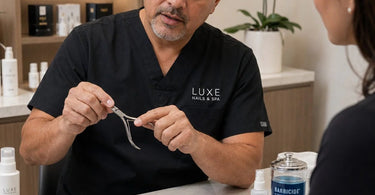
Invest in quality for lasting success... and that mantra has never been more true than when it comes to the unsung heroes of your nail station: your professional cuticle nippers. Think about it. You wouldn't trust a blunt pair of scissors to give someone a precision haircut, right? The same principle applies to cuticle work. A sharp, well-maintained cuticle nipper is the difference between a clean, satisfying snip that leaves a client’s nail bed looking pristine and a ragged, pulling, torturous experience that makes them want to run for the hills (and maybe leave a less-than-glowing review). As a nail professional, your tools are an extension of your hands and your expertise. When your nippers are dull, you compensate by using more pressure, which increases the risk of cutting the skin, creating jagged edges, and causing discomfort. It's a recipe for unhappy clients and frustrated techs. We all know our tools can sometimes feel like they have a mind of their own. You might think you've found the best nippers in the world, and then one day they just don't cut it anymore. But before you blame the tool or consider a dramatic, emotional breakup with your favorite pair, let's have a little chat. Nippers are investments, and just like a car, they need regular maintenance to keep running smoothly. Let's dive into the nitty-gritty of maintaining that razor-sharp edge, because a happy nipper means a happy manicurist, and trust us, that's a scientific fact we're happy to stand behind. In this guide, we'll cover the essential steps to keep your trusty cuticle nippers in peak condition, from proper daily cleaning to expert sharpening techniques. After all, your reputation for flawless, comfortable manicures and pedicures depends on it, and we're here to ensure you have the knowledge and tools to make that happen. Whether you are a seasoned professional or just starting your journey into the world of nail artistry, mastering the care of your implements is a non-negotiable step to success. This isn't just about maintaining metal; it's about maintaining your edge in the industry.
So, what's the secret to eternal sharpness? Spoiler alert: there isn't a magical fairy that visits your nippers at night. The secret is you, a little elbow grease, and a consistent care routine. Let's break it down.
1. Cleanliness is Next to Sharpness: The Daily Grind
You finish a service. You're tired. Your hand is cramping from that intricate nail art. The temptation to just toss your nippers in the disinfectant jar and deal with them later is strong. I get it, we've all been there. However, this is the number one way to dull your nippers and invite rust to the party. Think of cleaning as the essential warm-up before the real maintenance.
After each use, you need to thoroughly clean the nippers with a soft brush (like a nail brush) and warm, soapy water to remove any debris, dead skin, or product residue . This is the easy part. A gentle scrub will remove the visible gunk, but what about the microscopic stuff? Make sure to open and close the nippers while cleaning to get into the hinge area, which is a notorious hiding spot for buildup. After the soapy water, rinse them with clean water and dry them completely with a lint-free towel. Never, and I mean never, put your nippers away wet. Moisture is the enemy. It can lead to rust and corrosion, which will destroy the blade's edge faster than dropping them on a tile floor. Speaking of dropping, try to avoid that. It can knock the blades out of alignment.
Once they are clean and dry, you can proceed with disinfecting them. For disinfection, you have a few options. You can lay your nippers in a disinfectant tray or place them points up in a jar with a disinfectant solution. However, a word of caution: do not leave your implements soaking for extended periods, especially overnight. Prolonged soaking can damage the metal and dull the blades . Most manufacturers actually discourage storing tools in disinfectant, and for good reason . Instead, follow the manufacturer's instructions for the specific disinfectant you are using regarding contact time. And remember, after disinfection, you should rinse, dry, and lubricate them. This is where the concept of 'maintenance' truly begins to shine.
Don't forget to handle your tools with care. Avoid getting disinfectants into the joint or hinge, as they can cause corrosion if not rinsed and dried thoroughly . For a safe, chemical-free method, consider using a UV sterilizer, which is fantastic for keeping your tools hygienic without the risk of liquid damage . After cleaning and disinfecting, always store your nippers in a dry place at a moderate temperature, ideally with the blades facing up and a protective cap on the tip to prevent damage . A protective plastic casing is a small, simple thing that can save you from a world of hurt (and sharpening costs) .
2. Lube It or Lose It: Oiling the Hinge
You've cleaned and disinfected your trusty nippers. They are looking sparkling and ready for action. But are they? A dry, unlubricated hinge is the second leading cause of premature dullness. Every time you open and close the nippers, friction occurs. Over time, that friction can cause wear and tear, making the action feel stiff and requiring more pressure to cut. And when you apply more pressure, guess what? You put more stress on those delicate blades, which can lead to them losing their sharp edge faster .
After every cleaning session, apply a small drop of high-quality instrument lubricating oil (often called 'clipper oil') to the joint or rivet. Open and close the nippers several times to work the oil into the mechanism, then wipe off any excess. A tiny drop is all you need. Think of it as a spa treatment for your tools—it keeps the action smooth, reduces friction, and ensures the blades meet with the perfect amount of tension. Some nippers, like the Stainless Steel 1/4 Jaw Cuticle Nipper by Seki Edge, are designed to require no oiling, but for most, a quick oil is essential to keep them functioning correctly . Also, if you're not going to be using your nippers for a while, applying a small amount of anti-rust oil to the blade edge will help protect it from corrosion .
A well-oiled nipper is a joy to use. The action is smooth, the cuts are clean, and your hand doesn't have to work as hard, reducing fatigue during those long days at the Nail Tables and Manicure Stations. It's a win-win. This simple step alone can extend the life of your nippers by months or even years. It's one of the easiest and most effective ways to ensure you get the best possible return on your investment.
3. The Sharpening Shuffle: When and How
So, you clean and oil your nippers like a responsible professional. But even with the best care, the day will come when you notice your nippers aren't cutting as cleanly as they used to. You test them on a thin plastic bag or a piece of tissue paper, and instead of a clean snip, they fold the material or leave a jagged edge . This is the moment of truth. Your nippers need to be sharpened. But when is the right time to do this? The general rule of thumb is every six to twelve months, depending on how heavily you use them .
Let's talk about sharpening. Sharpening a high-quality cuticle nipper isn't like sharpening a kitchen knife. It requires precision and the right tools. The best approach is to send them to a professional. Many reputable implement companies guarantee their nippers and will sharpen and recondition them at little to no cost (aside from shipping) . This is a fantastic option because you get expert service and your nippers come back feeling brand new. It's a good idea to have a spare pair on hand so you're not left without your primary tool while the other is out for service . The Mehaz nippers, for example, are known for their longevity and ability to withstand multiple sharpening, offering incredible long-term value . Staleks nippers, known for their manual sharpening, are another example of a brand that takes sharpening seriously .
However, if you're feeling adventurous and want to sharpen them yourself, you need to know what you're doing. This is not a job for a standard kitchen sharpener. You would need specialized tools like fine diamond files or honing stones and a steady hand. The goal is to maintain the precise angle of the blade. A common mistake is trying to sharpen the outside of the blades when they often need to be sharpened on the inside cutting edge. If you're not careful, you can ruin the alignment and the cutting action. As noted by the experts at STALEKS, the blades should be free of damage or burrs, and nippers must not pinch or tear the skin but cut smoothly . They recommend checking the sharpness on a thin plastic bag or sheet of paper to ensure a clean cut . The risk of ruining an expensive pair of nippers is high, so unless you've been trained in the art of sharpening, professional service is highly recommended. Think of it like this: you wouldn't perform surgery on yourself, so why perform 'surgery' on your precision tools?
Choosing the Right Nipper for Longevity
The journey to maintaining sharpness actually begins long before you even use your nippers for the first time. It starts with the purchase. Investing in a high-quality cuticle nipper made from premium materials will make a world of difference in how long it holds an edge. Look for nippers made from high-grade stainless steel. Stainless steel and stainless steel cobalt are more expensive options, but they are superior because they will keep their sharpness longer and are less likely to discolor or rust if you accidentally leave them in your disinfectant for a bit too long . Nickel is a more affordable option, but it requires meticulous drying and lubrication after disinfection to prevent rusting .
You also need to consider the blade length (the jaw) and the handle design. The jaw length determines what the nipper is best suited for. A 1/8-jaw is the smallest and is ideal for getting into tiny areas, while a 1/4-jaw is a popular choice for many professionals because it offers a good balance of precision and efficiency . A 1/2-jaw or full-jaw will cut a larger area in one snip . For handle comfort, choose a shape and length that feels comfortable in your hand. If you have smaller hands, a shorter handle might be better, whereas longer handles can be more comfortable for those with larger hands because they don't press into the palm . Comfort is key to preventing fatigue, and when you're not fighting with your tools, you're less likely to cause damage to them.
When making your selection, it's always wise to consult with a trusted supplier like Pure Spa Direct, which offers a wide selection of top-quality Professional Nail Care Collections. You can find premier brands like Mehaz or Seki Edge, which are renowned for their durability. And don't forget the broader ecosystem: having the right Nail Treatments for Healthy Nails and Manicure Essentials ensures that you're not just maintaining your nippers but providing an overall impeccable service that keeps clients coming back.
Real-World Tips and Tricks from the Trenches
Alright, let's get real for a second. We've talked about the 'how' and the 'when,' but what about the everyday nuances that can make or break your nippers? Here are some of the best practices that those of us in the industry have learned the hard way:
- Dedicated Tools: It's wise to have separate nippers for cuticles and for nail enhancements (acrylics, hard gels). Acrylic and gel residues are abrasive and can dull a cuticle nipper's fine edge very quickly . If you use one pair for everything, you'll be sharpening them far more often. Use cuticle nippers solely for cuticles.
- The 'Air Cut' Myth: You may have heard that opening and closing nippers in the air can dull them. This is more about the blades clashing together without any material to cut, which can eventually cause microscopic wear on the edges, but it's not a major culprit. The real issue is that 'cutting air' doesn't help maintain the tool. It's more important to test the sharpness on a soft material like tissue or a thin plastic bag, and to keep the blades closed when not in use .
- Storage is Key: We've said it before, but it bears repeating: store your nippers with the protective cap on the tip to prevent accidental damage from drops or contact with other tools . The Professional Cotton, Sponges, and Wipes you use in your station are essential for keeping them dry and safe when stored. Never store them in a damp place or in a way that allows the blades to knock against other metal tools.
- Disinfectant Do's and Don'ts: Always follow the manufacturer's instructions for your disinfectant. As a general rule, avoid products containing active chlorine, hydrogen peroxide, or oxygen-based bleaches, as these can cause corrosion . A quick, proper disinfecting routine is better than a long soak.
By incorporating these habits into your daily routine, you're not just maintaining your tools; you're ensuring the highest level of service for your clients. Remember that smooth, sharp, and clean nippers lead to a pain-free, professional, and satisfying experience for everyone involved. A little bit of care goes a long way. You'll be saving money on replacements, saving time on struggling with dull tools, and saving your clients from unnecessary discomfort.
Conclusion: The Sharp Edge of Professionalism
Maintaining the sharpness of your professional cuticle nippers isn't just a chore; it's a commitment to your craft. It’s a sign of a true professional who values their tools and, by extension, their clients. A dull pair of nippers will slow you down, compromise your work, and frustrate both you and the person in your chair. By following the simple steps we've outlined—clean, disinfect, oil, and sharpen—you can ensure your tools are always ready to deliver that perfect, clean cut. And let's be honest, there is a special kind of satisfaction that comes from using a perfectly sharp, smooth, and precise instrument. It makes your job easier, your results better, and your clients happier.
At Pure Spa Direct, we understand the importance of having the right tools for the job. Since 2001, we've been the go-to source for over 156,000 spas and salons, providing top-quality products and expert advice. We are more than just a distributor; we're a partner in your success. We know you want to put your best foot forward, and that starts with impeccable tools. So, next time you reach for that cuticle nipper, remember it's not just a piece of metal; it's the key to a flawless, precise, and professional service.
So, gear up, give your nippers some TLC, and show those cuticles who's boss! Need to stock up on top-notch Pedicure Supplies, Nail Files & Buffers, or even some Cuticle Oil? We've got you covered with all the essentials for a well-stocked Professional Nail Care station. Explore our extensive range of premium brands, including Mehaz, Staleks, and Seki Edge, and ensure your Nail Art always looks its best. Visit us at Pure Spa Direct today and let's keep those tools sharp and your business sharper!
