
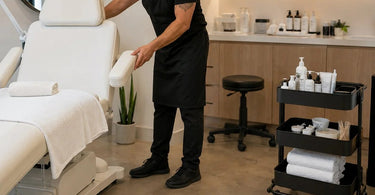
Elevate every treatment with this essential guide to preparing your treatment rooms for clients with mobility challenges. Let's be real, in the beauty and wellness industry, we pride ourselves on making people feel amazing inside and out, but if a client can't physically get on your table or into your chair, that's a major buzzkill for everyone involved. Creating an inclusive space isn't just about being a good human—though that's a solid start—it's also a fantastic business strategy that opens your doors to a whole new world of clientele. We're talking about tapping into a market that's often overlooked, showing you care about every body that walks through your door, and frankly, making your salon or spa the place where everyone feels welcomed, supported, and utterly pampered. It's time to roll out the welcome mat—literally and figuratively—and ensure your space is ready for clients of all abilities.
So, you're ready to make your treatment rooms accessible, but where do you even start? Don't worry, we've got you covered with practical, actionable steps that range from simple product swaps to smart layout changes. It's not as daunting as it sounds, and the payoff is huge—loyal clients, a stellar reputation, and the peace of mind that you're providing top-notch service to everyone. Let's dive into the nitty-gritty of creating a space that's as inviting as it is functional.
First Impressions: The Accessible Entrance & Reception
Your client's journey begins long before they hop onto your massage table. If they can't get into your building comfortably, everything else is moot. Think of the entrance as your first handshake—it needs to be firm, welcoming, and accessible. Start with the obvious: do you have a step-free entrance? If not, a portable ramp can be a game-changer. Check that your doorways are at least 32 inches wide to accommodate a wheelchair, and ensure your reception desk has a lowered section for easy interaction with seated clients. Clear, wide pathways free of clutter are essential—think of it like a runway, but instead of strutting, it's about easy maneuvering. Don't forget about signage; large, clear fonts and braille can make a world of difference for clients with visual impairments, making them feel informed and at ease from the get-go .
The Heart of the Service: Choosing the Right Adaptive Equipment
This is where the magic happens and your investment truly shines. The core of any accessible treatment room is the equipment. For massage therapists and estheticians, an adjustable-height massage table is non-negotiable. Look for electric or hydraulic tables that can lower to around 20 inches from the floor, making transfers from a wheelchair much safer and more dignified . We're talking about brands like Earthlite or Oakworks, which offer top-tier options that are both luxurious and functional. For nail technicians, consider pedicure chairs with powered lift assists that swivel and lower, making client transfers a breeze. A sturdy, stable manicure table is also key—no one wants a wobbly table when they're getting their nails did! And don't underestimate the power of simple massage bolsters and pillows from collections like Bon Vital; these aren't just for comfort, they're essential for supporting joints and limbs during treatments for clients with limited mobility . It's the little things that show you've thought of everything.
Space Planning: Maneuvering Room and Layout Logistics
Let's talk square footage. Your treatment room needs to be more than just a cozy space; it needs to be functional. As a rule of thumb, aim for at least 80 to 120 square feet of space, with a clear five-foot turning radius for wheelchair accessibility . Think about the flow of the room. Is there a clear path from the door to the table? Are there obstacles like coat racks or trash cans that could get in the way? Keep the layout simple and uncluttered. Door handles and light switches should be easy to operate, preferably lever-style handles that don't require tight grasping or twisting . Consider adding a sturdy, supportive chair in the room for clients who may need to sit and rest before or after their treatment. It's all about making the space intuitive and easy to navigate, so clients can focus on relaxing, not on navigating an obstacle course.
Sensory Smarts: Lighting, Sound, and Scent
Accessibility isn't just about physical mobility; it's also about sensory comfort. Many clients have sensitivities to light, sound, or smell, and creating a calming environment is crucial. Ditch the harsh fluorescent lighting and opt for dimmable, adjustable options that can be tailored to each client's preference. A magnifying lamp with adjustable intensity is a lifesaver for technicians and allows you to keep the ambient lighting low. When it comes to sound, be mindful of the volume of your music and consider offering noise-canceling headphones or having a quiet room available for clients who need a low-stimulation environment . And for scents, while aromatherapy is a spa staple, it can be overwhelming for some. Always ask about scent preferences before a treatment and have unscented options for your massage oils and lotions. A little consideration goes a long way in making clients feel safe and cared for.
Bedding and Linens: The Details that Define Comfort
When prepping your table, think about the details that make a world of difference to a client with mobility challenges. Using high-quality, plush spa bedding and linens can significantly enhance comfort, but also consider the practicalities. Using hygienic table paper is standard practice for hygiene, but for clients with mobility issues, it can also provide a non-slip surface that aids in stability and comfort. Don't forget about the towels—having a variety of sizes on hand, including larger ones, can provide extra coverage and a sense of security during draping. This is especially important for clients in larger bodies who may need more coverage to feel comfortable and exposed . It's these thoughtful touches that elevate the experience from a standard service to a truly personalized and inclusive treatment.
Staff Training: The Human Element of Inclusivity
You can have the most accessible room in the world, but if your staff isn't trained to interact with clients with disabilities, you're missing the mark. Training is everything. Teach your team to use people-first language—say "a client who uses a wheelchair" instead of "a wheelchair-bound client" . The golden rule? Never assume. Always ask, "How can I make you most comfortable?" or "What would you like assistance with?" This empowers the client and shows respect for their autonomy. For clients with visual impairments, verbally guide them through the space and describe the products you're using. For clients who are deaf or hard of hearing, ensure consent forms and service menus are available in large print and be prepared to communicate via written notes or a phone app if needed . A well-trained team is your greatest asset in creating a welcoming and inclusive environment, and it goes a long way in building client loyalty—because everyone remembers the place that made them feel seen and respected.
Beyond the Basics: Extending Accessibility to Every Service
Don't forget that accessibility should extend to every service you offer. For lash and brow services, ensure your beds are adjustable to accommodate clients who may have difficulty lying flat. Consider offering side-lying or semi-reclined positions for clients with larger chests or abdomens, or those with breathing difficulties . For waxing services, look into ItalWax or Waxness products that are gentle on the skin, and ensure your wax warmers are positioned within easy reach. For nail services, a pedicure chair with a lift is a fantastic investment, as is a selection of nail files and buffers with easy-grip handles for clients with dexterity challenges . It's about thinking through each service and making small adjustments that add up to a big difference.
Spread the Word: Marketing Your Accessible Space
You've done the work—now it's time to shout it from the rooftops! Let potential clients know you're a welcoming and inclusive destination. Update your website with a dedicated page or section that clearly lists your accessibility features, from your zero-step entrance to your adjustable equipment. Use alt-text on images so screen readers can describe your beautiful, accessible space . Share photos and videos on social media showcasing your accessible features and your welcoming team. Use hashtags like #AccessibleBeauty, #InclusiveSalon, and #AdaptiveAesthetics. Partner with local organizations that support people with disabilities to build community relationships. By marketing your commitment to inclusivity, you're not just attracting new clients—you're building a reputation as a brand that truly cares, and in this industry, that's worth its weight in gold.
Ready to Make Your Spa or Salon a Haven for All?
Preparing your treatment rooms for clients with mobility challenges isn't just about checking a box; it's about elevating your entire business and opening your heart—and your doors—to everyone. It's about showing that you value every client and are committed to providing an exceptional experience, no matter their ability. At Pure Spa Direct, we're here to help you every step of the way with a massive selection of equipment, linens, and accessories to make your space the most inclusive place in town. So go ahead, make those changes, invest in that new table, train your team, and watch your business—and your clients' smiles—grow. Because everyone deserves to feel amazing, and with a little effort, you can make that happen for every body.
