
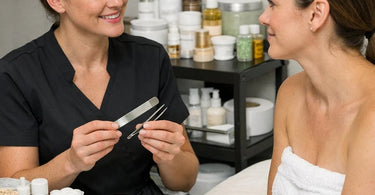
Efficiency meets luxury in every snip, clip, and tweeze—until you pull out your favorite pair of shears and spot those dreaded orange-brown speckles. Rust. The silent killer of professional tools. You paid good money for those high-quality stainless steel implements, and now they look like they’ve been crying orange tears. Before you panic and toss them in the trash (please don’t), take a deep breath. Rust on professional beauty tools is more common than you think, especially in a busy spa or salon environment where moisture, chemicals, and heat collide on a daily basis. But here’s the burning question that keeps beauty pros up at night: is your expensive stainless steel immune to this decay? Nope. Even the fanciest Professional Shears will throw a fit if you mistreat them.
Let’s get one thing straight right now: “stainless” does NOT mean “stain-never” or “rust-never.” It means stains less. That’s it. While the chromium in stainless steel does form a protective layer that fights off corrosion, that layer gets cranky when exposed to constant moisture, harsh chemicals, and improper care . Think of it like a moody houseplant—ignore it, water it wrong, or stick it in a dark closet, and it’s going to die on you. But treat it right, and it’ll perform like a rockstar for years. In our world of Waxing Supplies, Nail Care, and Lash & Brow Services, tools get wet, dipped, sprayed, and scrubbed constantly. If you aren’t proactive about rust prevention, your implements will start looking like they survived a shipwreck.
Let’s talk about why this happens in the first place because knowing your enemy is half the battle. In the heat of a busy shift, we’re all guilty of leaving Nail Files & Buffers or cuticle nippers sitting in a puddle of disinfectant overnight. Those barbicide jars look cool on Instagram, but soaking your metal tools indefinitely is a fast track to oxidation city. The minerals in your tap water, combined with the acidic nature of some disinfectants, slowly eat away at the passive layer of the steel . Before you know it, you’ve got pits and rust. Also, don’t forget about the “drop.” We’ve all dropped a pair of tweezers on the floor. That tiny scratch you can barely see? That’s an open wound in the armor of your tool. Moisture creeps in there like an uninvited guest at a spa party, and rust sets up camp. It’s not about being messy; it’s about the high-paced reality of working in a Spa Tools & Implements environment.
The Great Dry-Off: Your New Obsession
If you take only one tip away from this blog today, let it be this: water is the enemy. I know, shocking, right? Water in a spa? But seriously, moisture is public enemy number one for your Professional Salon Equipment and hand tools. You absolutely cannot scrub down your implements and toss them wet into a drawer or a closed sterilization pouch. That is essentially wrapping them in a sauna blanket and asking them to sweat to death. After you wash or disinfect your tools, you need to dry them like you’re prepping them for a red carpet appearance. Use a clean, lint-free towel—none of that scratchy paper towel nonsense that leaves lint behind. Get into the hinges of your shears and the pivot points of your Cuticle Oil applicators. If you have an air compressor or a hairdryer on a cool setting, blow those crevices out. Once they are bone dry, then—and only then—can you put them away. Air drying is a myth in the professional beauty world. Air drying allows water to pool at the hinges or sit on the flat surfaces long enough to cause a reaction. Be aggressive. Be the towel-wielding superhero of your salon.
Now, what about the sterilization process? We all know we have to follow state board regulations. But the way you disinfect matters. Those UV Sterilizers are great for dry storage, but when you are using wet sterilization solutions, you need to pay attention. Many techs just dump tools into a tray and leave them there until the next client. Stop that. Stainless steel can handle the soak cycle, but it needs a break . Once the timer on your disinfectant is up, remove those tools, rinse them with clean water (if the solution requires it), and dry them immediately. Leaving them in the juice for hours because you got slammed with a walk-in wax client is a recipe for disaster. Also, check your plastic trays. If your Hygienic Table Paper holder or your disinfectant tray is scratched up, those scratches harbor bacteria and also prevent the solution from draining evenly . Replace your trays every few months. It’s a small cost compared to replacing a full set of implements.
Lubrication: It’s Not Just for Engines
I know you aren’t changing the oil in your car every month (who has time for that?), but you do have time to oil your tools. This is the step everyone skips because it feels “extra,” but it is the secret to a long, happy tool life. Just like the Tin Man needed oil for his heart, your shears and clippers need oil for their joints. When we talk about Professional Hair Salon & Barber Shop Supplies, the shears are your bread and butter. A drop of clipper oil or a specialized lubricant on the pivot screw once a week will push out moisture and old debris. It creates a thin film of protection that repels water and stops oxygen from hitting the raw metal inside the joint. If you use a lot of Professional Stripless Hard Wax, you know how sticky things can get. That residue attracts moisture. A lightly oiled tool not only resists rust but also operates smoother, meaning less repetitive stress on your wrists. For your Spa Tools & Implements like cuticle pushers and nippers, a wipe down with a silicone cloth or a dab of lubricant on a cotton round will do wonders. It’s a 30-second habit that saves you hundreds of dollars.
Storage Wars: Winning Against Humidity
Where do you keep your tools when you go home at night? If you leave them on the counter next to the Facial Steamers or near the wet station, you are inviting rust. Those areas are humidity hotspots. You need a storage system that prioritizes air flow and dryness. Hard-sided cases that seal shut are actually terrible if the tool goes in even slightly damp. You want breathable storage. Many professionals love using UV Sterilizers or dry heat sterilizers because they keep the tools hot and dry until the next use. If you use pouches, store them upright in a dry cabinet. Throw a few silica gel packets (you know, the “Do Not Eat” things that come in shoe boxes) into your tool drawer. They suck moisture right out of the air. For those of you doing Body Brushes, Loofahs & Puffs and metal exfoliating tools, make sure those metal parts are not stacked on top of each other wet. Separate them. Let them breathe. And for the love of all that is holy, do not store them near a window where condensation forms or next to a Towel Steamer vent. You might as well be spraying them with a hose.
Salon Acids and Chemical Reactions
Your implements are exposed to more than just water. They get hit with wax residue, acetone, nail polish remover, bleaching powder, and acidic skincare products. If you are mixing Hair Bleaches and Lighteners, those powders can be caustic. If you accidentally dip a stainless steel spatula into a tub of something acidic and don’t wipe the rim, that chemical will eat through the passivation layer in record time. Be mindful of cross-contamination. If you use a metal tool to scoop out a Sugar Scrub, wash that tool immediately. Don’t let it sit in the tub. The sugar and fruit acids in the scrub are delicious for your skin but deadly for your metal. Similarly, if you are doing Dermaplaning, those tiny blades are thin and highly susceptible to microscopic rust. Use them once and dispose of them properly—don’t try to “clean them up.” For reusable implements, consider the water quality in your area. Hard water leaves mineral deposits that look like rust even when they aren’t. If you see spots, don’t panic. Make a paste of baking soda and water. Scrub the spots gently. If the spots vanish, it wasn’t rust—it was just scale. But if they stay, you’ve got the real deal .
How to Fix the Rust You Already Have
Okay, let’s say you messed up. You open your drawer and find your favorite ItalWax tweezers looking like they got a bad spray tan. Don’t throw them out yet! Surface rust is often reversible. You need to act fast, though, because rust is like a fungus—it spreads. Grab a fine-grit sandpaper (like 1000 or 1500 grit) or a non-metallic abrasive pad like a Scotch-Brite pad . Gently, and I mean gently, buff the rusty spots. Do not go crazy. You don’t want to scratch the steel beyond repair. If the rust is in the joint or a tight area, use a soft-bristled toothbrush with a paste of baking soda and a tiny drop of water. Scrub in circles. The baking soda is mildly abrasive and alkaline, which neutralizes the acidic rust process . After you scrub away the visual rust, you MUST re-passivate the steel. Stainless steel needs oxygen to rebuild its protective layer. You can buy a commercial passivation solution (like CitriSurf), but in a pinch, a mixture of water and a tiny bit of citric acid can help rebuild that layer . Rinse it super well, dry it instantly, and then give it a generous oil bath. If the rust has caused pitting (little holes), that tool is done. Pitch it. Pitting means the structural integrity is gone, and bacteria will live in those pits forever. You don’t want that near a client’s skin.
Let’s talk about prevention specifically for different services. In the Professional Nail Care Collections, we see a lot of rust on pushers and nippers because of cuticle remover creams. These creams often contain potassium hydroxide or sodium hydroxide—strong bases that can corrode metal if left on too long. Wipe your implements during the service, not just at the end. In the waxing room, using Waxing Supplies like metal applicators requires vigilance. Wax is hydrophobic, meaning it repels water, but if you wash the wax off with soap and water, the metal is exposed. Use a wax remover spray first to get the sticky stuff off, then wash. Never boil your metal implements. Boiling water is too aggressive for the hinges and can cause oxidation almost instantly. Stick to EPA-approved disinfectants that are labeled safe for stainless steel. And always, always check the manufacturer's guidelines. Some high-end Japanese shears used in Professional Hair Salon & Barber Shop Supplies have specific care instructions that forbid certain types of chemical dips. When in doubt, read the fine print.
Routine Maintenance Is Cheaper Than Replacement
I get it. You’re busy. You have back-to-back Lash Lift & Perms and a full books of Soft Strip Wax for Effective Salon Hair Removal. Stopping to oil a pair of clippers feels like a luxury you don’t have time for. But think about the cost of replacing a full set of Nail Tables and Manicure Stations tools or high-end shears. It hurts the wallet. A five-minute end-of-day routine saves you thousands of dollars a year. Stick a checklist on your back wall: Wash, Dry, Oil, Store. Also, rotate your tools. If you have three pairs of tweezers, use them in rotation so one isn’t getting beat up every single day. This gives you time to deep-clean the ones you didn't use. Consider investing in a UV Sterilizer for dry storage. It keeps the tools warm, which keeps them dry. Moisture is heavy and cold. Warm tools in a closed, dry cabinet resist condensation. It’s science.
What about those times you see a little resistance when you close your shears? That’s friction. Friction is the sound of metal slowly destroying itself. That micro-dust created by friction holds moisture and accelerates rust. Lubrication stops that friction. You wouldn’t run your car without oil; don’t run your Professional Shears dry. And don’t forget about the Massage Table Warmers & Toppers—no, they aren’t metal tools, but the heat in the room increases humidity. If you store tools in the same room as a steamer or a warmer, maybe it’s time to move them to a cooler, climate-controlled closet. Your tools will thank you by staying sharp and shiny. A rusty tool isn't just ugly; it’s unsafe. A client seeing rust on your implements is an instant loss of trust. They don’t care about the science of passivation; they see dirt. Keep your reputation shiny by keeping your tools shinier.
Shop Smart: Start with Quality
Finally, let’s talk about the elephant in the room. You can prevent rust all day long, but if you buy bargain-bin, low-grade stainless steel, you are fighting a losing battle. Low-quality steel often has inconsistent chromium levels or rough finishes that trap moisture. At Pure Spa Direct, we curate our Must-Have Supplies for Salon & Spa Business Success to ensure you get high-grade materials. Brands like ItalWax, Fromm International, and Wahl use surgical-grade stainless steel that is designed to take a beating and come back for more. Do your research. Look for the words “surgical stainless” or “high carbon stainless” with high chromium content. It costs a few extra bucks now, but you’ll spend less time scrubbing rust and more time earning money. Treat your tools like the valuable assets they are. They are the hands of your business. Keep them dry, keep them oiled, and store them like the precious gems they are. Your future self—and your bank account—will high-five you later.
