
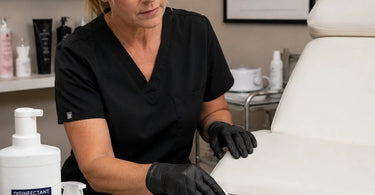
Deliver quality that clients can see... and definitely smell and feel. Let's talk about upholstery cracks. You know those sneaky little lines that start appearing on your beloved spa and salon furniture after a few months (or years) of loyal service? They might seem like a minor cosmetic issue at first, a little character line on a hard-working table. But in our world, where sanitation is our middle name and client trust is our currency, a crack in your upholstery is not just a wrinkle; it's a potential disaster zone. Think of it as the Grand Canyon for germs, a five-star hotel for bacteria, and a VIP lounge for any virus that happens to wander by. When a client looks at a cracked massage table headrest or a split seam on a pedicure chair, they aren't thinking about how comfortable it is. They are mentally checking out and wondering, 'If this is what I can see, what can I not see?' That is the exact opposite of the luxurious, worry-free experience we are trying to sell. We've got a full arsenal of professional cleaners and disinfectants to help, but the best offense is a good defense.
Let's be real. Your salon or spa furniture works harder than a one-legged man in a butt-kicking contest. It supports clients through every relaxing massage, every meticulous manicure, and every dramatic (but necessary) waxing session. Over time, the daily barrage of massage oils, lotions, wax, and disinfectants takes a toll. The result? Tiny cracks, flaking vinyl, and surfaces that look more like a dry riverbed than a luxurious treatment table. These aren't just an eyesore; they are a sanitation nightmare waiting to happen. When you have a crack in your luxury spa furniture, you can't clean it. It's a porous, dark, moist hiding place for pathogens. A quick wipe-down with your favorite disinfectant isn't going to reach the depths of that crevice. That's where the real trouble begins, turning your relaxing oasis into a potential petri dish. This is precisely why we've put together this guide. We're going to cover how to prevent those cracks from forming in the first place and what to do if the damage is already done, so your furniture looks as fresh as your premium skincare products.
The Cracked Upholstery Conundrum: More Than Skin Deep
So, why should you be obsessing over a tiny crack in your massage table or chair? It's not just about aesthetics, though we all know a beautiful, pristine treatment room is the backbone of a successful business. It's about infection control. Those cracks are like gaping welcome signs for bacteria, viruses, and fungi to set up shop. Think about the sheer variety of clients you see and the various pathogens that can be present. We're talking about potential cross-contamination from skin, oils, and other biological matter. When a client's skin touches a cracked surface, it's not just an unpleasant texture; it's a potential vector for infection. This is a serious sanitation problem that can damage your reputation and, more importantly, harm your clients' health. For example, consider the ItalWax you use. If a bit of wax gets into a crack, it becomes nearly impossible to remove completely, creating a breeding ground for bacteria that will be there for your next client. Maintaining the integrity of your equipment is just as crucial as using the right pre and post-waxing products.
The science behind this is simple but alarming. Upholstery, especially the vinyl and PU leather that are the workhorses of our industry, is designed to be non-porous. That's why we can effectively sanitize it between clients. But once it cracks, it's no longer non-porous. It becomes a porous surface, trapping moisture, product residue, and dead skin cells. All the ingredients for a nasty microbial party. Harsh chemicals, which we use to keep things clean, can often accelerate this breakdown, leading to the very problem we're trying to avoid. It's a cruel irony. That's why understanding the cause of upholstery cracks is the first step in preventing them.
Prevention is the Best Medicine (and Sanitizer)
Let's face it, replacing or reupholstering furniture is a pain in the wallet. It's expensive and takes time, which is why you're probably running a business and not a furniture repair shop. Prevention is significantly cheaper and less time-consuming than dealing with the consequences of a massive sanitation problem. And let's be honest, no one wants a client to point out a sticky, cracked surface on your pedicure chair. Here's a systematic approach to protecting your investment.
1. Choose Your Weapons Wisely: The Right Cleaners Matter
This is where many well-intentioned professionals go astray. In a panic to disinfect, they reach for the strongest, most industrial cleaner on the shelf, like bleach or high-concentration alcohol. It's a classic case of "if it kills everything, it must be good," right? Wrong. These harsh chemicals can strip the protective oils and plasticizers from your vinyl and PU leather, causing them to dry out, become brittle, and crack. It's a chemical reaction that accelerates the aging of your fabric. It's a slow-acting poison for your upholstery. Instead, opt for gentle, pH-balanced cleaners specifically designed for use on synthetic leathers. Look for cleaners that are alcohol-free and non-abrasive. A simple mixture of mild dish soap and warm water is often the safest and most effective daily cleaner. Always test any new cleaner on an inconspicuous area first. And remember the golden rule: spray the cloth, not the surface. This prevents oversaturation, which can seep into seams and cause them to weaken. It's also important to consider the type of disinfectant you're using. Quaternary ammonium compounds (quats) are generally considered more gentle on vinyl and PU leather than alcohol or bleach-based alternatives, making them ideal for soft surfaces. Your clients' safety depends on proper disinfection, but your furniture's lifespan depends on using a product that is both effective and safe for the material. Consider a hospital-grade disinfectant that's safe for upholstery.
2. The Art of the Clean: Wipe, Don't Scrub
Let's channel our inner Zen master here. When cleaning your furniture, always use a soft, damp cloth—microfiber is your best friend. It's gentle and picks up dirt without scratching the surface. Never, and I mean never, use abrasive sponges, brushes, or scouring pads. They are the enemies of a smooth, pristine surface. They create micro-scratches that will eventually become those larger cracks you're trying to avoid. And please, don't use excessive water. Damp, not soaking wet. Moisture that gets into seams and cracks is a one-way ticket to mold and mildew, as well as degrading the material from the inside out. Always dry the surface thoroughly after cleaning. This simple step can add years to the life of your furniture. It's the little things, right? Just like remembering to use the correct wax spatulas and applicators for your services.
3. Condition is Key (and Not the Hair Kind)
Just like your skin needs moisturizer to stay supple and avoid cracking, so does your vinyl and leather upholstery. Applying a good quality leather or vinyl conditioner on a regular basis (monthly is a great rule of thumb) can help keep the material soft and flexible. This creates a protective barrier that helps it withstand the daily wear and tear, including the drying effects of disinfectants. The conditioner replenishes the oils that keep the material pliable, significantly reducing the risk of it drying out and cracking. Think of it as a spa day for your furniture. It deserves one. It's a small investment of time that pays off in the long run. This is especially important for frequently used items like portable massage tables.
4. Shield Your Investment with Barriers
An ounce of prevention is worth a pound of cure, and in this case, a few sheets of hygienic table paper or a well-fitted, washable cover can be the ultimate defense. These barriers protect your upholstery from direct contact with oils, lotions, wax, and even pesky makeup stains. They not only keep the surface clean but also prevent those damaging substances from penetrating the material and degrading it over time. For high-traffic areas or services that tend to be messier (we're looking at you, soft strip wax), using a barrier is a non-negotiable best practice. It keeps your expensive equipment looking new and reassures your clients that you take their hygiene seriously. It's a win-win.
5. Mind the Environment
Believe it or not, the environment in your salon or spa plays a big role in the longevity of your furniture. Towel steamers are fantastic for client comfort, but excessive humidity can weaken upholstery materials and cause them to degrade faster. Proper ventilation and climate control are key. Similarly, direct sunlight is the nemesis of any material. UV rays can cause fading and, more importantly, dry out and crack vinyl and leather. Position your furniture away from windows or use curtains or blinds to filter the harsh light. It's also a good idea to place your furniture away from air vents or heaters, as rapid temperature fluctuations can also cause stress to the material. A little attention to the environment can go a long way.
6. Regular Inspections: Catch it Early
Make it a habit to give your furniture a quick once-over at the end of each day. Look for early signs of wear, small cracks, or discoloration. Catching a problem early can save you a lot of money and hassle. A tiny crack can sometimes be repaired or sealed before it becomes a full-blown crevice. Think of it like getting a small cavity filled before you need a root canal. It's so much easier! And while you're at it, check for other issues like loose screws or wobbly legs. Top-quality equipment lasts longer when properly maintained.
Uh Oh, the Damage is Done: What to Do About Cracks
Okay, so despite your best efforts, a crack has appeared on your massage table warmer topper or your favorite pedicure chair. Don't panic! It's not the end of the world, but it's a sanitation issue that needs to be addressed immediately. A cracked surface cannot be properly disinfected, and using it as-is is a violation of most state board regulations. So, what are your options?
1. Professional Repair: For small cracks or seams that are coming apart, a professional upholstery repair kit can work wonders. These kits often include a filler and a color-matching compound that can seal the crack and make it look almost new. However, this is only a temporary fix. It restores the non-porous surface, but it's not a permanent solution for heavily worn areas.
2. Upholstery Covers: This is a fantastic, cost-effective solution. You can get high-quality, tailored covers that slip right over your existing furniture. These are often made from medical-grade materials that are designed to withstand rigorous disinfection and are completely waterproof. It's like giving your furniture a new lease on life. It covers the unsightly damage, solves the sanitation problem, and protects the piece from future wear. We offer a wide range of salon and spa bedding and covers that can instantly transform your equipment.
3. Professional Reupholstering: For larger, more expensive pieces like a luxury spa bed or custom pedicure throne, professional reupholstery is a viable option. It's more expensive than a cover, but it can completely restore the piece to its former glory. However, it can be time-consuming and may require you to send the piece away.
4. Replacement: Sometimes, the cost of repair or reupholstery is close to the cost of a new piece. In that case, it's time to invest in a new, pristine piece of professional salon equipment. Consider it an opportunity to upgrade. Our vast selection of stylish salon and barber furniture has everything you need to make your space look fresh and inviting.
Keep the Good Vibes and the Clean Surfaces Rolling
At the end of the day, preventing upholstery cracks is about protecting two of your most valuable assets: your equipment and your reputation. Your clients trust you to provide a clean, safe, and luxurious experience. A cracked, unhygienic surface is a direct violation of that trust. It screams "we cut corners" and "we don't care about your safety," and that is a message that will drive clients away faster than a bad wax job. Conversely, a well-maintained, crack-free surface sends a message of professionalism, attention to detail, and premium quality. It tells your clients that you invest in their comfort and safety. Whether it's your high-quality towels or your impeccably clean treatment table, it's the little things that make a huge difference.
By following these simple, practical steps—using the right cleaners, conditioning regularly, and implementing protective barriers—you can keep your furniture looking and functioning like new for years. And remember, if you're in the market for new equipment to upgrade your space, or just need to stock up on must-have supplies like professional cleaners and conditioners, we've got you covered at Pure Spa Direct. We're not just here to sell you products; we're here to be your partner in running a successful, sanitary, and stunning business. Your furniture does the heavy lifting day in and day out. It's time to give it the love it deserves! Now, go forth and conquer those cracks! And if you're ever in doubt, just remember: a happy, crack-free table leads to happy, loyal, and returning clients. It’s a beautiful cycle.
)