
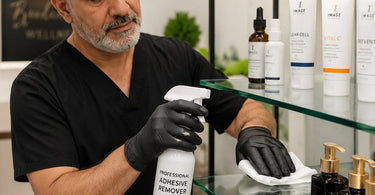
Your clients will notice the difference... especially when they're not staring at a gooey, sticky mess on your once-pristine glass shelving. Let's be real, whether you're a spa owner displaying high-end retail products, a salon owner showcasing the latest styling potions, or a nail salon looking to make your Premium Nail Polish pop, sticky shelves are the silent killers of that 'ahhh' moment. That stubborn residue from price stickers, professional-grade mounting tape, or even a rogue lash extension glue spill is the enemy of a pristine presentation. But fear not, because we're about to arm you with the ultimate guide to banishing that bane of your existence. This isn't just about cleaning; it's about reclaiming your sanity and making your glass displays look so good they'd make a diamond jealous. We'll walk you through the best methods, the ultimate professional products, and a few secrets that'll have you scrubbing with a smile instead of a grimace.
Now, before you reach for the nearest bottle of questionable kitchen cleaner and start praying to the cleaning gods, let's get one thing straight: professional-grade adhesive is a beast. It's designed to stick like a toddler to a lollipop, and it doesn't give up without a fight. But we've got the strategies that work. From simple household hacks to heavy-duty, commercial-strength removers, we've got you covered. By the end of this post, you'll be a glass-cleaning guru, and your shelves will sparkle so brightly they might just blind your clients (in a good way, of course!). And remember, a clean space isn't just about aesthetics; it's about projecting the professional image your business deserves. A clean, well-organized salon or spa is a powerful statement to your clients that you care about every single detail. So, let's dive in and turn that sticky situation into a success story!
The Sticky Truth: Why Regular Cleaners Fail
We've all been there. You grab a bottle of all-purpose cleaner, spray it with the confidence of a reality TV star, and start scrubbing. But that adhesive just laughs at you. It sits there, defying your efforts, mocking your very existence. Why? Because most household cleaners are designed for light, everyday grime—not the industrial-strength glue that's holding your shelf decals hostage. These adhesives are formulated to be incredibly durable, often with a chemical bond that breaks down only with specific solvents.
Using the wrong cleaner can also do more harm than good. Some chemicals can leave a cloudy film on your glass, which is almost worse than the original glue. Others might be too abrasive, creating micro-scratches that make your glass look dull and tired. That's why you need a targeted approach, whether that means a professional product designed for the job or a clever DIY solution that actually works. Your High-Quality Towels deserve to be draped on a shelf that looks brand new, not one that's still tacky from a forgotten sticker.
The Ultimate Weapon: Professional Adhesive Removers
Sometimes, you just need to call in the big guns. When you're dealing with the toughest, most stubborn residues that laugh in the face of vinegar and baking soda, it's time for a professional-grade adhesive remover. These products are formulated with potent solvents that break down the molecular bonds of the adhesive, turning a once-solid substance into a gooey mess you can simply wipe away. Think of it as a magic potion, but one that's safe for your surfaces and your sanity.
For instance, products like Professional Cleaners & Disinfectants for Salons and Spas often include adhesive removers designed for exactly this kind of task. They're formulated to be safe on glass and other surfaces while packing a serious punch against glue. If you have a particularly stubborn residue from a retail display, a product like Ship-Shape Professional Surface and Appliance Cleaner is specifically designed to cut through hair product residue and adhesives, making it a fantastic all-rounder for your station . Always check the product's instructions to ensure it's safe for your specific needs, but these professional solutions are often the fastest and most effective way to get the job done.
Everyday Heroes: Household Items that Work Wonders
If you're looking for a quick fix without a trip to the supply store, your kitchen or bathroom cabinet might hold the answer. Many common household items contain solvents that can effectively break down adhesive. It's like a little treasure hunt for cleaning solutions! Here are some of the best home remedies for removing stubborn glue from glass.
Rubbing Alcohol (Isopropyl Alcohol)
This is a staple in any professional cleaner's arsenal. Soak a cotton ball or a clean cloth with rubbing alcohol and apply it to the glue. Let it sit for a few minutes to allow the alcohol to penetrate the adhesive. Then, wipe it away. You might need to repeat the process a few times for thicker residues, but rubbing alcohol is gentle, cheap, and incredibly effective. It's also great for cleaning glass and leaving a streak-free shine.
White Vinegar
The classic cure-all! Heat up some white vinegar in the microwave (just warm, not boiling) and soak a cloth in it. Lay the warm cloth over the sticky spot and let it sit for a few minutes. The acid in the vinegar will start to dissolve the adhesive. This is a fantastic, non-toxic method for glass shelving cleaning. It might require a little elbow grease, but it's a safe and affordable way to tackle most sticker residues.
Nail Polish Remover (Acetone)
Here's a word of caution: acetone can damage some types of glass finishes or any plastic trims, so spot-test it first. That said, if you have plain, uncoated glass, a little bit of acetone on a cloth can work miracles on super glue or epoxy-like residues. It's powerful stuff, so use it sparingly. You can even find Nail Polish Remover in our professional sections for your salon stations, which also doubles as an emergency adhesive remover.
Goo Gone or Goof Off
These commercial household products are specifically designed to break down adhesives. They're often more powerful than rubbing alcohol but less harsh than pure acetone. A product like Goof Off Pro Strength is a favorite for removing 'the toughest stuff' from surfaces, including glass, and can be a lifesaver for those stubborn residues . Just apply, let it sit, and wipe clean. They're a solid middle ground between the DIY approach and the full professional products.
The Professional's Toolkit: Additional Essential Products
Beyond the removers themselves, there are a few other heroes in the fight against sticky glass. Equipping your cleaning station with these can turn a tedious chore into a quick and satisfying task.
Razor Blades & Scrapers
For dried, crusty adhesive, a high-quality Spa Tool like a razor blade scraper is worth its weight in gold. It's a mechanical approach: you carefully slide the blade at a low angle to physically lift the gunk off the glass . It's incredibly satisfying to see big chunks of glue peel away. Just be careful not to scratch the glass!
Microfiber Cloths
Once you've dissolved the adhesive, you need to wipe it away without leaving lint or streaks behind. High-Quality Towels and microfiber cloths are essential for a professional finish. They're perfect for polishing your glass shelving to a brilliant shine after a successful cleaning mission.
Protective Gloves
Some adhesive removers can be tough on your skin. A pair of Protective Gloves & Masks is a simple, smart investment to keep your hands safe while you work your magic. Your hands are your most important tool—protect them!
Step-by-Step Guide: How to Remove Professional Grade Adhesive From Glass Shelving
Ready to tackle that sticky shelf? Here's our fail-safe, step-by-step guide to get your glass looking brand new. Follow these tips and you'll be a professional-grade adhesive remover expert in no time.
- Gather Your Supplies: Pick your weapon (rubbing alcohol, a commercial remover, or a scraper) and have your microfiber cloths and gloves ready.
- Apply Your Chosen Remover: Soak a cloth or apply the product directly to the adhesive. Let it sit for the recommended time (usually 2-10 minutes). For stubborn ones, reapply .
- Scrape (If Necessary): If the glue is still holding on, use a razor blade scraper at a 45-degree angle. Push, don't pull, and the glue should come right off.
- Wipe & Polish: With a fresh, damp microfiber cloth, wipe away all the residual goo. Follow up with a dry cloth to polish the glass to a streak-free sparkle.
- Admire Your Work: Step back and marvel at your incredibly clean, shiny glass shelves. You've earned a moment of pride!
Preventing Future Sticky Situations
An ounce of prevention is worth a pound of cure, or in this case, a bottle of remover. Here's how you can prevent adhesive from becoming a recurring nightmare in your spa or salon.
Use Removable Labels
Instead of relying on permanent stickers for pricing or product info, use removable labels. They're designed to peel off cleanly and won't leave a sticky mess behind. It's a small change that can save you hours of cleaning.
Heat Before You Peel
Use a hairdryer to warm up a sticker before you peel it off. The heat softens the adhesive, making it much easier to remove the whole thing in one go, leaving less residue. This is a great trick for waxing labels or any product packaging.
Clean Regularly
Don't let the gunk build up. A quick wipe-down with a glass cleaner or a gentle adhesive remover after you restock or rearrange can prevent tough stains from forming. Consistency is key to a spotless space.
And there you have it! You're now officially equipped to handle any sticky situation that dares to threaten the gleaming perfection of your glass shelving. With the right tools and a little know-how, you can banish those blobs and restore your displays to their former glory. So, go forth, conquer that adhesive, and let your products shine!
