
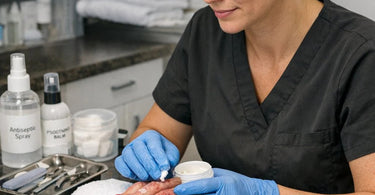
Efficiency meets quality with this choice for providing a safe, soothing manicure for clients with psoriasis. Let’s be real: as a nail tech, you’ve seen it all. From the client who brings in a picture of a cake as their nail art inspiration to the one who insists on typing an email during their paraffin dip. But a client with psoriasis? That requires a whole new level of TLC mixed with professional know-how. The good news is, with the right techniques and a sprinkle of patience, you can give them a flawless, comfortable manicure that won’t send their skin into a tailspin. Let’s dive into the nitty-gritty of how to safely perform a manicure on clients with psoriasis, shall we?
First, let’s get one thing straight: psoriasis is not contagious. You can not catch it from the plush towel they touched or the manicure table they’re sitting at. It’s an autoimmune condition that causes skin cells to grow way too fast, resulting in those lovely red, scaly patches (plaques). For your client, the goal is to avoid irritating those patches. For you, the goal is to look like a hero who knows their stuff. And as a Pure Spa Direct pro, you have access to all the professional nail care collections to make that happen.
Understanding Psoriasis: It’s Not Just Dry Skin, Karen
Before we grab a nail file, let’s talk shop. Psoriasis on the hands and nails is common. You might see pitting (tiny dents), thickening of the nail, or a yellowish-red discoloration that looks like a drop of oil under the nail plate. If your client has open cracks or bleeding plaques on their hands, you need to politely decline the service and suggest they see a dermatologist. Your manicure essentials are for relaxation, not open wounds. However, if the condition is mild to moderate and the skin is intact, you’re good to go! Just grab your professional cleaners and disinfectants to ensure everything is spick and span first.
Step 1: The Pre-Manicure Chat (More Important Than a First Date)
Have a candid conversation with your client. Ask about their triggers. Some people flare up from stress (who doesn’t?), others from cuts, scratches, or even certain premium skincare products. Ask, “Does heat make it worse? Does cold? Do you want me to avoid cuticle work entirely?” This chat isn’t awkward; it’s professional. Plus, it shows you care, which means better tips. And who doesn’t love better tips? Also, during this chat, check out their hands under a magnifying lamp to get a closer look at what you’re dealing with. Forewarned is forearmed, as they say.
Step 2: Gather Your Gentle Arsenal (No Harsh Chemicals Allowed!)
Put down the aggressive cuticle remover. Step away from the acetone. For a client with psoriasis, gentle is the name of the game. You’re not performing surgery; you’re performing a soothing ritual. Here’s what you need from your spa tools and implements arsenal:
- A gentle, sulfate-free spa essential soap or cleanser.
- Lukewarm water (hot water is the enemy of psoriasis).
- Single-use or sterilized metal pushers (avoid wood sticks that can splinter).
- A fine-grit buffer (240 grit or higher, you absolute diamond).
- Rich, fragrance-free creams or ointments.
- Nail oils with soothing ingredients like jojoba or vitamin E.
Notice I didn’t say acrylic nail supplies? That’s because you should avoid harsh monomers and dust that can irritate the skin. Stick to breathable, hypoallergenic professional gel polish if they want color, but even then, be cautious with the UV/LED lamp. Some psoriasis treatments make skin photo-sensitive, so LED is often safer.
Step 3: The Soak (Or Lack Thereof)
Traditional wisdom says soak the nails. For psoriasis? Throw that wisdom out the window. Soaking can actually increase the maceration (that wrinkly, white skin) and aggravate plaques. Instead, use a spray bottle with lukewarm water to lightly dampen the hands, or use a warm, damp high-quality towel from your towel steamer for just 30 seconds. You want hydration, not waterlogging. Think of it like this: you’re making a salad dressing, not boiling pasta. Less is more.
Step 4: The Cuticle & Nail Plate Work (Handle With Kid Gloves... Figuratively)
Do not, I repeat, do NOT cut the cuticles. The cuticle is the nail’s natural barrier against infection. Since psoriasis already compromises the skin barrier, cutting cuticles is like removing the moat around a castle. Big no-no. Instead, use a high-quality cuticle oil (look for brands like Graham Beauty or Bon Vital for gentle options) and gently push them back with a rubber-tipped or metal pusher. For the nail plate, avoid any aggressive buffing. If there’s pitting, don’t try to buff it flat. You’ll just thin the nail and cause more damage. A light surface cleanse is all you need.
Step 5: Filing & Shaping (The Sound of Serenity)
Use a fine-grit file. Remember that psoriasis can cause “oil spot” lesions under the nail, which can make the nail feel tender. File in one direction only. Sawing back and forth creates friction and heat, which equals inflammation. And inflammation is the enemy. Use a cushion file or a glass file for the quietest, gentlest experience. You want your client to drift off, not wince. And for heaven’s sake, never use a metal file on natural nails. That’s a one-way ticket to splitting city.
Step 6: The Massage (Goopy Goodness Without the Grief)
Here’s where we earn our money. A hand massage for a psoriasis client is pure magic. But you need the right potion. Avoid anything with alcohol, retinoids, alpha-hydroxy acids, or heavy fragrances. Instead, reach for a thick, emollient cream or balm. Look for ingredients like shea butter, ceramides, colloidal oatmeal, or even a massage oil with jojoba. Warm it up in your hands. Apply with light pressure. Avoid massaging directly over thick plaques, as this can cause the Koebner phenomenon (new lesions forming where the skin is injured). Instead, focus on the palms, fingers, and any clear skin. Use a light, lymphatic-style pressure. Think of petting a very expensive, slightly grumpy cat.
Step 7: The Polish (If They Dare)
If your client wants polish, be prepared. Some people with nail psoriasis prefer to go bare so they can apply their topical medications. Others want a little sparkle to feel human. If you’re using premium nail polish or longwear nail polish, skip the primer if it contains harsh acids. Use a rubberized base coat that provides a little cushion. When removing the polish later, use a non-acetone remover. Acetone will dry out the nail plate and surrounding skin faster than a desert wind. And if you’re using a LED lamp for gel, keep the curing time to the minimum recommended. Heat spikes are real, and they hurt like crazy on sensitive nails.
Step 8: Aftercare Advice (Send Them Home With a Smile)
Your service is done, but your advice lives rent-free in their head. Recommend they keep their hands moisturized with a thick, over-the-counter cream. Suggest they wear cotton gloves at night after applying their psoriasis medication. Tell them to wear gloves while doing dishes (the horror!). And remind them to never pick at their cuticles or the edges of their nails. You can also recommend they grab some protective gloves from your retail area for household chores. It’s a small sale for you, a huge win for them.
The Products That Make You Look Like a Rockstar
At Pure Spa Direct, we don’t make the stuff; we just get you the best stuff from the people who do make it. For your psoriasis-friendly manicure station, stock up on these gems:
- ItalWax Pre/Post Products: Their calming lotions are surprisingly great for sensitive hands.
- Biotone: Their hypoallergenic massage creams are a godsend.
- Towel Steamers: A must-have for delivering that warm, damp towel without the soak.
- Professional Cotton Products: Use these for applying anything to avoid cross-contamination.
- Hygienic Table Paper: Because keeping your massage table clean is non-negotiable.
A Note on Empathy (Because You’re Not a Robot)
Psoriasis can be embarrassing for clients. They might be worried you’re judging their flaky skin or weird nails. Your job is to be the chillest person in the room. Don’t stare. Don’t suggest weird internet cures (“Have you tried rubbing kale on it?” No. Just no.). Don’t offer a diagnosis. Just offer a great service. Treat them like the paying, valuable human they are. And if you mess up and cause a flare? Apologize sincerely, comp the service, and learn from your mistake. Then go home, hug your pet, and vow to do better tomorrow.
When to Say No (And It’s Totally Okay)
Let’s be clear: You are a hero nail technician, not a dermatologist. If you see signs of active pustular psoriasis (which looks like yellow pus-filled blisters) or if there are weeping, cracked lesions that are bleeding, you must decline the service. Say something like, “I would love to pamper you, but to keep you safe and avoid any pain, let’s wait until this flare calms down. I’ll even throw in a free paraffin treatment next time as a thank you for understanding.” A good client will appreciate your honesty. A bad client? You didn’t want them anyway.
The Final Takeaway (Spoiler: You’ve Got This)
Performing a manicure on a client with psoriasis isn’t rocket science. It’s just common sense with a side of compassion. Use gentle products, avoid trauma to the skin, keep everything sterile, and listen to your client. You’ll not only give them beautiful nails, but you’ll also give them a moment of normalcy. And that, my friend, is why you got into this business in the first place. Not for the glitter (okay, maybe a little for the glitter), but for the human connection.
Ready to upgrade your manicure station or stock up on cuticle oil that won’t make your sensitive-skin clients cry? Head over to Pure Spa Direct. We’ve got the professional nail care collections, the spa essentials, and the high-quality towels to make every client feel like royalty. Now go forth and file with confidence!
)