
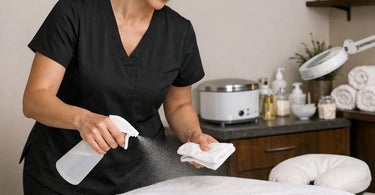
Clients notice the difference quality makes, but they absolutely notice when hygiene slips. Let’s be real for a second: You didn't open your spa or salon because you have a passion for scrubbing nail files until your fingers cramp. You got into this business for the glow of a good facial, the snap of a fresh wax strip, or the satisfaction of a perfect fade. However, the dreaded “How To Sanitize Porous Tools Without Damage” question often haunts even the best of us. We stare at our expensive wax spatulas, natural bristle brushes, and reusable buffers wondering if we have to toss them in the trash just because a little dust landed on them. Spoiler alert: You don't. But you also can't just spray them with windex and call it a day. That is like putting a bandaid on a broken leg. Today, we are going to save your budget and your license by diving deep into the science of saving your porous gear.
Let’s rip the bandaid off: porous tools are the drama queens of the hygiene world. They absorb everything—oils, dead skin, bacteria, and your hopes and dreams of a quick clean-up. If you have natural bristle hair brushes, wooden manicure sticks, or foam facial sponges, you know the struggle. The old-school method of soaking these items in a tub of liquid turns them into a soggy, bacteria-laden mess. It ruins the glue, warps the wood, and makes the bristles fall out faster than hair on a bad bleach day. But throwing them away after every single use? That hurts your wallet and creates enough waste to fill a landfill. We need a middle ground, and honey, we found it.
Why ‘One-Size-Fits-All’ Disinfecting is a Total Lie
If you are treating your waxing strips the same way you treat your metal tweezers, we need to have an intervention. Non-porous tools (metal, plastic, glass) are easy. You dunk them in a hospital-grade solution, rinse, and you are golden. Porous tools are like a dry sponge at the bottom of your sink—they hold onto everything. State boards and health inspectors are hyper-aware of this. They know that if you dunk a natural sea sponge in a vat of disinfectant, the inside of that sponge never actually gets sanitized; it just gets wet and grows mold. Yikes . The key to How To Sanitize Porous Tools Without Damage isn't about soaking; it's about spraying, drying, and sometimes, accepting that single-use is king. But before you panic, there are incredible tools on the market specifically designed to survive proper sanitation. Let’s look at the good, the bad, and the ugly.
The ‘Spray and Walk Away’ Method (For Light Duty Items)
For items like body brushes or natural bristle hair brushes that aren't covered in biohazards, a high-percentage alcohol spray is your best friend. You need to use 70-90% isopropyl or ethyl alcohol. Why? Because it evaporates quickly. If you use a heavy liquid, it sits in the base of the bristles and grows mildew. With alcohol, you spray until saturated, let it sit for 5 minutes to kill the pathogens, and then let it air dry completely . And I mean completely. If the brush is still wet when you shove it in a drawer, you have just created a petri dish. Store those dry brushes in a closed, dustproof cabinet . This method works beautifully for your hair tools between clients, but it is not a sterilization method. It is a sanitization method. For anything that touches broken skin or blood? That bad boy needs to be retired immediately.
From Drab to Fab: Saving Your Nail Files and Buffers
Ah, the nail file. The bane of the eco-conscious tech's existence. If you are still using those cheap, paper-based drugstore files that turn gray and nasty after one pedicure, stop it. You are literally throwing money away. However, did you know that not all files are created equal? If you are serious about How To Sanitize Porous Tools Without Damage, you need to buy tools designed to be disinfectable. Take, for example, the nail files and buffers found in our professional collections. Many modern buffers (like Mylar or glass files) are non-porous! You can actually spray them with a hospital-grade disinfectant and scrub them clean . For those textured foam buffers, you can’t soak them, but you can spray them with alcohol, let them dry, and use a wire brush to pull out the dust. If the buffer looks worn, toss it. But if it still has grit, a thorough spraying and 10-minute dry time makes it safe for the next client. This is how you save money without sacrificing safety.
Dealing with the Sponge Situation (Yes, You Can Save Them)
Sponges are the ultimate porous nightmare. Whether you are using compressed sponges for makeup or sea sponges for body treatments, you cannot just rinse them with soap. If you want to reuse them, you need to embrace the power of the UV Sterilizers. UV light penetrates the surface of porous materials without soaking them in chemicals that break down the foam. It kills the funk without the sogginess. Alternatively, for aromatherapy or body scrub application, consider switching to single-use hygienic wipes or high-quality reusable silicone scrubbers that don't absorb bacteria. If you insist on reusable sponges, wash them in hot water, wring them out completely, and hit them with a UV wand or a dry heat sterilizer. Never store a damp sponge. Ever. It will smell worse than a frat house laundry room by morning.
The Magic of the Wax Warmer and Towel Steamers Connection
Let’s talk about your ItalWax supplies. Your wax pot itself is metal, easy to clean. But what about the collar? The silicone inserts? The applicators? For porous wax applicators, many professionals are switching to wooden sticks (single-use) to avoid the issue entirely. But if you use reusable plastic spatulas, stick to the rule: clean, then disinfect. The heat from a towel steamer is great for linens, but for tools, you need chemical disinfectants or dry heat. Some advanced sterilizers can handle porous synthetics without melting them. Always check the manufacturer's specs. If it says “autoclavable,” you are safe. If not, stick to the alcohol spritz.
Why Pure Spa Direct is Your Sanitation Headquarters
We get it. Browsing for professional cleaners and disinfectants is boring. But at Pure Spa Direct, we try to make the boring stuff a little less painful (and a lot more effective). We sell the protective gloves to keep your hands safe, the Barbicide to keep your tools safe, and the high-quality towels to dry it all off. Whether you need waxing supplies or facial treatment products, we stock the tools that are designed to last through the rigorous cleaning cycles we just discussed. Don't buy cheap files that fall apart when you look at alcohol. Buy the disinfectable stuff. Trust the pros who know that sanitation is the foundation of retention. You want clients coming back because your studio is the cleanest one in town, not just the cutest.
Step-by-Step Sanitation Cheat Sheet
Let’s recap your new workflow for How To Sanitize Porous Tools Without Damage so you can print this out and stick it near your nail salon furniture or massage tables.
Step 1: The Pre-Clean
Use a brush to remove physical debris (hair, dust, skin). Get the gunk off first. You cannot sanitize dirt .
Step 2: The Wash
Use warm soapy water or a specialized cleaner to scrub porous items gently. Don't soak wood; just wipe it.
Step 3: The Disinfect
For porous synthetics and brushes: Spray with 70%+ alcohol. Let sit for 5-10 minutes. Do not wipe off; let it evaporate .
For reusable nail files (Mylar/Glass): Spray with hospital-grade disinfectant. Rinse.
For sponges: Wash, wring, and hit with UV light or dry heat.
Step 4: The Dry
Air drying is mandatory. Never put a wet porous tool in a drawer. Use a clean, dry towel or a rack. Let the air circulate. Bacteria love moisture like teens love social media. Deny them the access.
Step 5: The Storage
Store in a clean, closed container. If it touches the floor or a dirty counter, you have to start over. Don't be that person who cleans a brush perfectly and then drops it in the dustbin.
When to Just Throw It Away
Look, I love saving money as much as the next boss, but your license is worth more than a $2 sponge. If a porous tool has come into contact with blood, broken skin, or a confirmed infection, do not pass go. Do not collect $200. Throw it in a closed receptacle immediately . The same goes for wax strips used in Brazilian waxes—single-use only. Also, if your hairbrush has a cracked wooden handle, toss it. Cracks harbor bacteria that no spray can reach. You are a professional. Act like one. Your clients are trusting you with their health, and frankly, buying new pre and post waxing products is more fun than dealing with a lawsuit.
So, the next time you are standing in your treatment room, staring at a row of dusty massage oils and dirty brushes, remember the Golden Rule of Porous Tools: Spray, Dry, and Store. Don't drown them. Don't bake them. Just give them a solid alcohol shower and let them breathe. Your wallet will thank you, your clients will thank you, and the health inspector might even crack a smile. Now go forth and sanitize with confidence! Need the right disinfectants or Graham Beauty supplies? You know where to find us.
)