
Make every service count by treating your dip powder system like the delicate, high-maintenance diva it truly is. Let's be honest, we've all been there: staring at a bottle of base coat that has super-glued itself shut, or watching in horror as a stray chunk of glitter from last Tuesday's client decides to hitch a ride on today's French manicure. If your dip powder liquids are starting to look like a science experiment gone wrong, or if you're side-eyeing that brush wondering what ancient secrets it holds, you have come to the right place. Here at Pure Spa Direct, we know that keeping your nail station pristine isn't just about looking professional—it's about protecting your clients, your reputation, and your sanity. So, grab a fresh pair of gloves, pour yourself a beverage, and let's dive into the nitty-gritty of stopping dip powder contamination before it starts. Because a happy brush makes for a happy nail tech, and a happy nail tech is a busy nail tech.
Alright, let's get one thing straight: dip powder is magical. It gives us strength, durability, and a finish that makes clients swoon. But with great power comes great responsibility—and a whole lot of potential for cross-contamination if we aren't careful. The liquids, in particular, are the heroes (and sometimes villains) of this story. They are the glue that holds the universe together, but they are also sticky, finicky, and prone to throwing tantrums if not treated with respect. We've scoured the best practices, talked to the pros, and even looked at what the state boards are saying to bring you the ultimate guide to keeping your dip system as clean as your conscience after a successful up-sell on a cuticle oil.
The Golden Rules of Liquid Sanitation: Because Nobody Likes a Sticky Situation
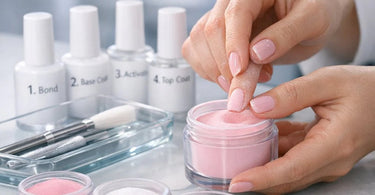
Your dip liquids are the lifeblood of your service, but they are also the most susceptible to contamination. When we talk about Dipping Powder Systems for Salons, the liquids—Base, Activator, and Top Coat—are where the magic (and the mess) happens. The biggest enemy here is cross-contamination from the powder itself. Every time you dip a nail that has wet base coat into a jar of powder, you are essentially sending that powder back into the jar with a little bit of liquid on it. That liquid can contaminate the entire jar, causing it to harden or, worse, creating a breeding ground for bacteria if moisture gets trapped . The solution is so simple it hurts: never, ever dip directly into the main jar. Instead, use a disposable applicator or small container to pour out a small amount of powder for each client. This is non-negotiable. Think of it like a communal chip bowl—you wouldn't let everyone double-dip, would you? The same logic applies here, but the stakes are higher (goodbye, state board fines).
Now, let's talk about those liquid bottles themselves. You know the drill: you finish a service, screw the cap back on, and come back the next day to find it welded shut. To prevent this, always wipe the brush and the inside of the bottle neck on a lint-free towel before closing it up. Any excess liquid left on the threads acts like industrial-strength glue . A little pro tip from the trenches: if you do get a bit of liquid on the threads, clean it with a cotton pad soaked in acetone before you seal it. For an extra layer of protection, dab a tiny bit of Cuticle Oil on the threading—it acts as a barrier, keeping the cap from fusing to the bottle . And if your liquids start to thicken up (because they do get tired, just like us), you can rejuvenate them with a drop or two of a dedicated Gel Thinner, being careful to keep it off the threads . This simple maintenance can extend the life of your products significantly, saving you money and frustration.
Brush Care: Keeping Your Bristles Out of Trouble
Your dip powder brush is your trusty sidekick, but if you don't clean it properly, it can turn into a vehicle for contamination faster than you can say "linty finish." The goal is to ensure that no liquid from the brush is transferring back into the powder jar, and that no powder is contaminating your liquid bottles. After applying the Base coat, a common trick is to gently wipe the brush on a lint-free towel to remove any excess liquid before you proceed . This prevents dripping and reduces the chance of that wet brush touching the powder container.
However, the real hero of brush hygiene is a dedicated Brush Saver solution. Using a product like the Kiara Sky Dip Brush Saver is a game-changer. It’s designed to dissolve leftover dip powder and residue from the bristles, restoring your brush to its original soft, smooth state . This prevents the bristles from hardening and clumping, which not only ensures a precise application every time but also keeps the brush from harboring old product that could contaminate your fresh liquids. Make it a habit: after a few services, or at the end of each day, give your brushes a bath. Your Nail Brushes & Tools will thank you by lasting longer and performing better. Plus, a clean brush means a smooth, flawless finish for your clients—no one wants to explain why the top coat has mystery bumps.
The Unforgivable Sin: Double-Dipping and the Powder Jar
Let's have an intervention. If you are still dipping client fingers directly into the main powder jar, we need to talk. According to multiple industry experts and even state regulations, this is the cardinal sin of dip services. The Ohio Administrative Code is crystal clear: "Acrylic, dip, or similar powder used during the practice of manicuring shall be dispensed into individual containers prior to use for each client. The containers must be disposed of or properly disinfected after each use and any unused powder must be properly discarded" . That means no scooping leftover powder back into the jar. It's painful to throw away that glitter, we know, but it's a cost of doing business safely.
Why is this such a big deal? Because bacteria and skin particles from one client can get mixed into the powder, and if that powder is used on another client, it poses a significant infection risk. The Nevada State Board has cited that improper dip service application carries a staggering 51.4% risk of infection . That number should make any professional sit up and take notice. By using the pour-over method—pouring a small amount of powder onto a disposable surface like a medicine cup or a paper towel—you eliminate this risk entirely. This is the gold standard for sanitary application, and it’s what your clients expect when they sit down in your chair. And for those worried about waste? It's a small price to pay for client safety and peace of mind.
Sanitizing Your Station: Beyond the Jar
Okay, you've mastered the pour-over method and your liquids are pristine. But the fight against contamination doesn't stop there. Your entire workstation needs to be a fortress of cleanliness. Start with the obvious: wash your hands and your client's hands thoroughly before beginning any service . Put on a fresh pair of gloves for each new client. This isn't just for show; it's a basic barrier against the transfer of any microorganisms.
Next, think about your tools. Anything that touches the client needs to be properly disinfected or disposed of. This includes the files and buffers used to shape the nail. While some states allow for the reuse of certain implements after proper disinfection, it's often easier and safer to use single-use files or ensure you have enough tools to properly sterilize them between clients. When it comes to dust, a quality dust collector is your best friend. It pulls the fine acrylic and dip powder dust away from you and the client, preventing it from settling on surfaces and becoming a respiratory irritant or a source of cross-contamination . And don't forget the big picture: your Nail Tables and Manicure Stations should be wiped down with a hospital-grade disinfectant between clients. A clean table is a happy table, and it signals to your clients that you take their health seriously.
The Tools of the Trade: Setting Yourself Up for Sanitary Success
Having the right arsenal of supplies makes the sanitation process a breeze. It's hard to follow the rules if you don't have the gear to do it properly. At Pure Spa Direct, we stock everything you need to build a bulletproof dip system. Consider adding these items to your cart:
- Bottles & Jars: Perfect for decanting powder into small, disposable cups for each client.
- Mixing Bowls and Small Containers: Ideal for the pour-over method. Have a set of small glass or plastic bowls dedicated to decanting powder.
- Nail Files & Buffers in Bulk: Having a large supply of single-use files ensures you never have to risk using a file that isn't perfectly sanitized.
- UV Sterilizers: For any reusable metal tools like cuticle pushers or nippers, a UV sterilizer provides an extra layer of chemical-free disinfection.
- Professional Cleaners & Disinfectants: Stock up on EPA-registered disinfectants that are safe for salon use to wipe down your station, chairs, and surfaces.
- Hygienic Table Paper: Covering your workstation with disposable paper that can be changed between clients is a simple, visual way to ensure a clean surface for every service.
Conclusion: Clean Hands, Clear Conscience, Perfect Nails
Navigating the world of dip powder sanitation might seem overwhelming, but once you build it into your muscle memory, it becomes second nature. It’s all about creating a workflow that prioritizes hygiene without sacrificing speed or style. By decanting your powders, caring for your liquids and brushes, and maintaining a spotless station, you are doing more than just following the rules—you are protecting your clients from potential infections and elevating the standard of your business . Plus, let's be honest, there’s a special kind of satisfaction that comes from opening a fresh, perfectly fluid bottle of base coat that hasn’t been glued shut by the previous day's service. It’s the little wins. So, set yourself up for success with the best supplies from Pure Spa Direct, master these sanitizing rules, and get ready to enjoy a smoother, safer, and far less sticky dip experience. Your clients—and your sanity—will thank you.
)