
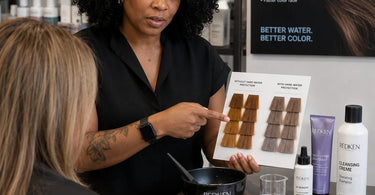
Pros rely on this daily essential more than they might think. Water. It rinses, it mixes, it steams—it's the humble sidekick to nearly every service you perform. But what happens when that sidekick is actually a frenemy, quietly plotting against your perfect formulations? Hard water is that frenemy, and its impact on professional hair color processing is more than just an inconvenience; it's a direct threat to your artistry and your clients' satisfaction. Let's be real, you've probably had those days where a color just wouldn't take, turned brassy in two weeks, or left you questioning your entire career path. Before you blame the color line or your mixing technique, it's time to investigate the liquid that's flowing through your pipes. This invisible enemy is full of minerals like calcium and magnesium that cling to the hair shaft like a bad habit. This buildup creates a barrier, preventing color from penetrating evenly and causing a whole host of drama that can make even a seasoned pro want to pull their hair out (not literally, we need you!).
So, you've just poured your heart and soul into a gorgeous, dimensional balayage. The toner is perfect, the cuticle is sealed, and your client is beaming. You send them on their way with a strict aftercare regimen, feeling like a color god or goddess. Then, three weeks later, you get the text: "My hair looks so dull and brassy already! What happened?" Your heart sinks. You replay the service in your head, convinced you did everything right. Before you spiral into self-doubt, let's look at the hidden variable: the water your client uses to wash their hair every single day. Hard water, which is a reality for over 85% of American households, is a classic "salon saboteur" . It's like that one friend who always shows up uninvited and makes everything awkward.
The science is simple. Minerals like calcium and magnesium are positively charged, and your hair naturally holds a negative charge. When hard water hits the hair, those minerals are attracted to it like a moth to a flame. They latch on, building up layer by layer over time. Imagine trying to paint a wall that's covered in a layer of dust and grime. The paint won't go on smoothly, it'll look patchy, and it definitely won't last. That's exactly what happens when you apply professional hair color over hair that's coated in hard water minerals. The color molecules can't penetrate the cuticle evenly, leading to uneven color results, resistance to lifting, and a finish that's about as vibrant as a cloudy day .
The Not-So-Glamorous Science of Hard Water and Hair
Let's get a little nerdy for a moment because understanding the "why" is the first step to becoming the problem-solver your clients need. Hard water is basically water with a high mineral content, primarily calcium and magnesium . These minerals don't just make your shampoo feel like it's barely lathering; they actively sabotage your color services in a few key ways. When these minerals oxidize on the hair, they create a physical and chemical barrier that's a nightmare for any colorist. This barrier prevents moisture from penetrating and creates a film that can make hair feel rough, brittle, and look damaged, which totally ruins the canvas you're trying to work on .
The real trouble starts when you combine hard water minerals with professional color. This is when the salon saboteur really reveals its true colors. Ever had a blonde client come back looking like she's been on a week-long vacation in a copper mine? That's often due to iron and manganese in the water, which oxidize and cause light hair to look orange or muddy . Or maybe you've seen a dark-haired client develop a weird, warm, red tint that you definitely didn't put in there. That's the metals at work, altering the chemical processing and giving you results that are anything but what you intended. It's not your formula; it's the water.
Let's break down these mineral villains for a second:
- Calcium and Magnesium: The dynamic duo of dullness. They build up on the hair, leaving it feeling heavy, dry, and weighed down, stripping away that beautiful bounce and shine you worked so hard to achieve .
- Copper: This one is a sneaky saboteur, especially for blondes. It can react with color to create a greenish tint (yikes!) and also acts as a catalyst that can accelerate the developer, leading to unpredictable and often damaging processing .
- Iron and Manganese: The brass band. These minerals are notorious for causing warm, brassy tones in lighter hair and can make dark colors appear darker and muddier .
Brassy Blondes and Dull Brunettes: The Telltale Signs
How do you know if you're in a professional hair color war against hard water? Here are a few smoking guns. If your clients are constantly complaining about their color fading prematurely or looking dull, that's a major red flag. It's not just a "blonde thing" either. Brunettes can suffer from a muddy, lifeless look, and reds can seem to lose their fire faster than a match in a hurricane. You might also notice that the hair has a rough texture that feels brittle to the touch, no matter how many moisturizing treatments you use. This happens because the mineral coating prevents moisture from getting in, leaving the hair dry and lackluster .
Another dead giveaway is inconsistent color results. If one section of the hair takes color beautifully but another looks like it's from a different head, hard water is likely the culprit . This happens because mineral deposits aren't always distributed evenly, leading to varying levels of porosity and resistance. If you're a colorist who prides yourself on flawless, seamless color, this inconsistency is a huge source of frustration. You might find yourself reaching for a more aggressive lightener or spending extra time on a corrective color service, which eats into your time and profits.
And let's not forget the dreaded salon scenario: you go to apply a toner, and it just doesn't take. Or worse, it goes on muddy and uneven. This is a classic symptom of hard water residue reacting with the alkaline chemicals in the color, causing a shift in the pH and throwing off the intended tone. In fact, the mineral buildup can interfere with how light reflects off the hair, making even the most well-formulated gloss look flat and dull . So, before you blame the new toner you're trying out, think about the water.
From Service to Solution: Winning the Fight for Professional Hair Color
So, what's a pro to do? You can't just tell your clients to move to a different city with soft water (though tempting). The good news is, you have powerful tools at your disposal to fight back. The first and most crucial step is to detox the hair before you even think about applying color. Using a professional-grade treatment like Malibu C Crystal Gel can be a game-changer. It's designed to draw out those hard water minerals and heavy metals from the hair shaft, effectively hitting the reset button on your client's hair . Imagine starting every color service on a completely clean, mineral-free canvas. The results are more predictable, the color is more vibrant, and the longevity is significantly improved.
This prep step is non-negotiable for your blonde and lightening services. Minerals trapped on the hair can cause excess heat and accelerated oxidation during the lightening process, which can lead to breakage and a compromised hair structure. By using a demineralizing treatment before you even open your bleach, you ensure a cleaner lift and minimize the risk of those pesky hot spots and potential damage. It's like using a primer before painting; it just makes everything better. Stylists are increasingly making this detox step a standard part of their blonding and corrective color protocols for exactly this reason .
But the fight doesn't end in the salon. You need to arm your clients with the right tools for at-home care. Recommending a maintenance regimen like the Malibu C Hard Water Wellness Collection is a must. This trio, consisting of a shampoo, conditioner, and weekly treatment, is designed to gently remove ongoing mineral buildup, helping to preserve their fresh color, keep brassiness at bay, and maintain that healthy, glossy shine . At Pure Spa Direct, we offer a wide selection of professional hair care products, including options from top brands like Malibu C and Pravana, to help you and your clients combat hard water. Our Professional Hair Salon & Barber Shop Supplies collection features everything you need to build a robust arsenal against water-related woes.
You can also send them home with a clarifying shampoo specifically formulated for hard water. These shampoos help to strip away the mineral deposits that accumulate between salon visits. This not only keeps the color looking fresh for longer but also ensures the hair stays manageable and healthy. It's a simple step that can drastically improve your client's experience and make them feel like you're their personal hair savior. By turning your clients into partners in the fight against hard water, you're not just providing a service; you're providing a solution.
This proactive approach doesn't just save color; it saves your relationship with your clients. When they see their color last longer and look more vibrant, they're happier, more loyal, and more likely to spread the word about your expertise. You become the go-to professional who doesn't just color hair but cares deeply about the health and longevity of that color. That is the kind of reputation that money can't buy, and it all starts with understanding and mastering the Impact of Hard Water On Professional Hair Color Processing.
