
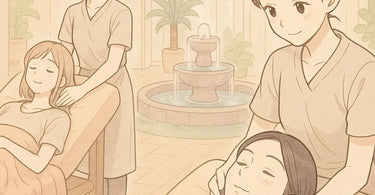
Top products pros stock without fail... but what about the services that don't require any products at all? The most powerful offering in your spa might just be the absence of something: noise. Imagine a client who's been dreading their appointment because the thought of blasting hair dryers, chatter, and clinking tools makes their skin crawl. Now imagine their relief when they discover you've created a haven just for them. Implementing "Silent Hours" isn't just about turning down the volume—it's about turning up your inclusivity and tapping into a massively underserved market. It's like discovering your Facial Steamer has a silent setting that somehow works even better.
Clients with sensory processing differences, autism, anxiety, migraines, or those simply overwhelmed by modern life aren't asking for much—just a chance to experience the healing power of touch without the sensory assault. By dedicating specific hours to a quieter, more controlled environment, you're not excluding your regular clients; you're expanding your family to include those who thought spa services were off-limits. Let's dive into how you can create this sanctuary without a complete overhaul.
Why Your Business Needs Sensory-Friendly Hours (Besides Being a Wonderful Human)
This isn't just a nice-to-have; it's a smart business strategy. Think about it: the parent of a child with autism who finally gets a peaceful pedicure. The professional with ADHD who can fully relax during a massage without fighting distractions. The individual with PTSD who can receive care without triggering anxiety. These clients aren't just loyal; they're evangelical. They'll tell their therapists, their support groups, their entire communities about the one place that finally "gets it." You're not just filling appointment slots; you're building a reputation as a truly caring and innovative business.
The Silent Hours Blueprint: More Than Just Shushing Everyone
Creating a successful sensory-friendly environment requires a thoughtful approach. It's a holistic shift that encompasses sound, light, smell, and even communication.
1. Soundscaping Your Sanctuary
This is the cornerstone. Ditch the upbeat pop playlist and opt for calming, instrumental music played at a very low volume, or even no music at all. Turn off any unnecessary equipment buzzes. Use Towel Steamers instead of noisy microwave timers. Encourage staff to use soft, calm voices and minimize cross-room chatter. This is the perfect time to utilize those Portable Massage Tables in a quieter, more private area if possible.
2. Dialing Down the Visual Stimulation
Overhead fluorescent lighting is the arch-nemesis of relaxation. Dim the lights or use lamps with warm-toned bulbs. If possible, reduce visual clutter in treatment areas. Close blinds to minimize unpredictable outdoor movement. The gentle glow from an LED Bright Lamp at its lowest setting can provide perfect task lighting without being overwhelming.
3. Managing Aromas with Care
While aromatherapy is a spa staple, strong scents can be triggering. During Silent Hours, opt for unscented or very mildly scented products. Massage Oils, Lotions, and Creams for Therapists from lines like Biotone often have excellent fragrance-free options. Skip the strong chemical smells; ensure your space is well-ventilated, especially if you're doing treatments that use Professional Gel Polish or other products with potent odors.
4. The Power of Clear Communication
This starts before they even walk in. Clearly advertise your Silent Hours on your website, social media, and booking platform. Describe what clients can expect. When they book, send a pre-appointment email detailing the process. Upon arrival, a quiet, predictable check-in is key. Use visual cues or a notepad for communication if a client is non-verbal or prefers not to speak. Training your front desk staff with Professional Spa Apparel from Barco Uniforms adds to the calm, professional demeanor.
Stocking Your Sensory-Friendly Toolkit
Your existing inventory is full of tools perfect for this clientele. Think about the inherent calming properties of weighted blankets during a massage or the deep pressure of a Massage Bolster. Hot Stones and Warmers provide a grounding, predictable heat. For nail services, the gentle hum of a Paraffin warmer is far less jarring than an electric file. Even having noise-canceling headphones available for clients to borrow can be a game-changer.
Promoting Your New Inclusive Offering
Shout it from the rooftops (quietly, of course)! Partner with local therapists, occupational therapists, schools, and support groups. Use social media to explain what Silent Hours are and who they're for. Highlight the specific accommodations you've made. This isn't a secret menu item; it's a flagship service that demonstrates your commitment to community care.
Training Your Team for Success
The most important element is your staff. Train them on the "why" behind Silent Hours, not just the "what." Role-play how to communicate softly and clearly. Ensure they know how to use equipment like Massage Tables and Pedicure Chairs as quietly as possible. Empower them to anticipate needs without requiring lengthy verbal exchanges.
Beyond the Hours: An Inclusive Mindset
Implementing Silent Hours often leads to a broader culture of inclusivity. You might start offering sensory-friendly versions of your retail products, like unscented Sugar Scrubs or Salt Scrubs. It makes you more mindful of the experience for every client who walks through your door, making your business a more compassionate place for all.
By creating a time and space for peace, you're doing more than just providing a service—you're providing relief. You're offering a sanctuary where everyone, regardless of their sensory needs, can experience the transformative power of self-care. And that's a business model that feels as good as a silent, stress-free massage.
