
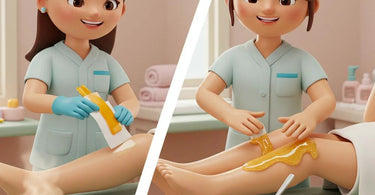
Clients notice this difference every time... that moment when they realize hair removal doesn't have to mean red, irritated skin and white-knuckling the table. Imagine offering a service that leaves them actually smiling afterward instead of just relieved it's over. That's the magic of sugaring – the ancient hair removal technique that's creating modern-day client evangelists. As spa and salon professionals, we're always looking for that sweet spot between client comfort and effective results, and this simple mixture of sugar, lemon, and water might just be the game-changer your service menu needs. Unlike traditional waxing that can leave skin angry and inflamed, sugaring offers a gentler approach that's gaining passionate followers in beauty circles worldwide.
What makes sugaring particularly exciting for business owners is how perfectly it aligns with current consumer demands: natural ingredients, eco-friendly practices, and treatments that cater to sensitive skin. Plus, with clients reporting less pain and longer-lasting results compared to traditional waxing, this is one service that keeps them coming back. Let's explore how adding sugaring to your menu can sweeten your bottom line while delighting your clients.
What Exactly Is Sugaring? The Sticky Details
Sugaring is an ancient hair removal method that dates back to 1900 BC Egypt, with evidence suggesting even Cleopatra herself was a fan. The technique uses a simple paste made from just three natural ingredients: sugar, lemon juice, and water. These ingredients are heated to create a candy-like consistency that's applied to the skin to remove hair from the root.
While it might sound similar to waxing, the application technique is fundamentally different. With waxing, the substance is applied in the direction of hair growth and removed in the opposite direction. Sugaring, however, is applied against the direction of hair growth and removed in the natural direction of hair growth. This key difference means sugaring is less likely to break hairs, resulting in smoother skin and fewer ingrown hairs.
The paste itself is water-soluble, making cleanup a breeze compared to traditional wax. Any residue simply washes away with water – no sticky mess or special cleaners required. This also means sugaring is less messy to work with, saving precious time between appointments.
Why Your Clients Will Love Sugaring (And Keep Coming Back)
If you're looking to boost client retention and generate more repeat business, sugaring delivers some compelling benefits that keep clients loyal:
1. Reduced discomfort: Most clients report sugaring is significantly less painful than traditional waxing. Since the paste adheres primarily to the hair rather than the skin, there's less trauma during removal. The result? Clients who aren't afraid to rebook their next appointment.
2. Better for sensitive skin: For those clients who always react to traditional waxing with redness, bumps, or irritation, sugaring offers a welcome alternative. The natural ingredients are less likely to cause reactions, and the technique is gentler on delicate skin.
3. Longer-lasting results: Because sugaring removes hair from the root with less breakage, results typically last 3-5 weeks – sometimes longer than traditional waxing. Happy clients enjoy smoother skin for longer periods, though they'll still return regularly for maintenance.
4. Fewer ingrown hairs: The sugaring process helps exfoliate dead skin cells while removing hair, which means fewer ingrown hairs between appointments. For clients struggling with this issue, sugaring can feel like a miracle solution.
5. Natural ingredient appeal: Today's consumers are increasingly conscious about what they put on their bodies. Sugaring's simple, natural formula resonates with clients seeking cleaner beauty options without synthetic chemicals or additives.
Why Your Business Will Love Sugaring Too
Beyond happy clients, sugaring offers some sweet advantages for your bottom line:
Lower cost of goods: The ingredients for sugaring paste are inexpensive and easy to source – primarily just sugar, lemon juice, and water. Compare this to specialized waxes that often come with higher price tags, and you've got better profit margins from the start.
Eco-friendly appeal: As sustainability becomes increasingly important to consumers, sugaring offers a greener alternative to traditional waxing. The natural ingredients are biodegradable, and the process typically generates less waste since many practitioners reuse the same ball of paste multiple times during a service.
Competitive differentiation: While sugaring is growing in popularity, it's still not offered by every salon. Adding this service positions your business as innovative and client-focused, helping you stand out in a crowded market.
Upsell opportunities: Sugaring pairs beautifully with other services like facial treatments, Vichy shower treatments, or specialized ingrown hair treatments for a complete smooth skin package.
Client attraction and retention: The comfortable experience and impressive results keep clients coming back. Many estheticians report that once clients try sugaring, they rarely return to traditional waxing.
How to Incorporate Sugaring Into Your Existing Menu
Adding sugaring to your service offerings doesn't mean abandoning your existing wax services. Instead, position it as a premium alternative for clients seeking a more comfortable experience or those with sensitive skin. Here's how to get started:
Training is essential: While the concept is simple, sugaring requires specific techniques that differ from traditional waxing. Invest in proper training for yourself and your staff to ensure excellent results. Many suppliers offer training resources when you purchase their products.
Start with popular services: Begin by offering sugaring for your most requested hair removal services – typically Brazilian, bikini, and underarm treatments. These areas where sensitivity is highest will benefit most from sugaring's gentle approach.
Price strategically: Since sugaring is often perceived as a premium service, you can typically charge 10-20% more than traditional waxing for the same areas. Clients willing to pay extra for reduced discomfort will appreciate the option.
Market the benefits: Don't assume clients know why sugaring is different. Train your front desk staff to explain the benefits, and consider creating a special package for first-time clients to try the service at a introductory price.
Pair with complementary products: Offer post-treatment products specifically designed to extend the results and comfort of sugaring services. This boosts your retail sales while enhancing the client experience.
Essential Supplies for Offering Sugaring Services
Getting started with sugaring requires some specific supplies, many of which you might already have in your treatment rooms:
Sugaring paste: You can purchase ready-to-use professional sugaring paste or make your own using traditional recipes. Many suppliers offer different formulations for various hair types and body areas.
Application tools: While some practitioners prefer using their hands (with gloves, of course!), others use application tools designed specifically for sugaring.
Client comfort items: Though sugaring is less painful than waxing, having soothing products on hand for post-treatment care enhances the experience.
Sanitation supplies: As with any service, proper sanitation is crucial. Ensure you have plenty of disinfectants, gloves, and table paper for maintaining a clean environment.
Retail products: Stock ingrown hair treatments, gentle exfoliants, and soothing creams specifically recommended for sugaring clients.
Addressing Common Sugaring Concerns
Some practitioners hesitate to offer sugaring because they've heard it doesn't work on coarse hair or requires special training. While there is a learning curve, most estheticians find they can master the technique with practice. As for hair types, modern sugaring formulations and techniques can effectively handle most hair types when performed correctly.
Another common concern is time – some worry that sugaring takes longer than traditional waxing. While the first few appointments might take additional time as you build proficiency, many experienced practitioners report that sugaring becomes just as fast as waxing once they're comfortable with the technique.
Sweeten Your Bottom Line
Incorporating sugaring into your service menu represents an opportunity to tap into growing consumer demand for natural, gentler beauty treatments while differentiating your business from competitors. The initial investment in training and products is quickly offset by the ability to charge premium prices for a service that clients genuinely enjoy and rebook regularly.
As the beauty industry continues evolving toward more natural and sustainable options, sugaring positions your business at the forefront of this movement. Clients appreciate having options, and offering both traditional waxing and sugaring allows you to cater to different preferences and needs within your client base.
Ready to explore adding sugaring to your service menu? Pure Spa Direct offers professional sugaring products and supplies to help you get started. From ready-to-use pastes to application tools and aftercare products, we have everything you need to launch this profitable service and sweeten your bottom line.
