
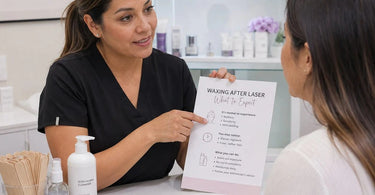
Get the results you've always wanted...and keep them looking fabulous without the awkward conversations! Let's face it, the world of hair removal is a minefield of mixed signals, and your clients are navigating it with the confidence of a cat in a room full of rocking chairs. They come to you expecting smooth, flawless skin yesterday, but when they mix up their laser treatments with a rogue waxing appointment, it's time for a gentle—and maybe slightly hilarious—reality check. The relationship between Laser Hair Removal and waxing is, to put it mildly, complicated. It's like trying to decide between a cat and a dog; they both have their merits, but bringing them together without a plan is a recipe for disaster. As a professional, it's your job to guide them through this jungle of fuzz and follicles, ensuring they understand the dos and don'ts of Complete Waxing when laser is involved. Let's break down the science, the timeline, and the gentle art of saying, Honey, put the wax down.
Your client has just finished a session of laser hair removal. They are thrilled, envisioning a life free of razors and stubble. Then, a few days later, they notice some regrowth and panic. Their instinct might be to reach for the Waxing Supplies for Professionals in their bathroom cabinet. This is where your expertise comes in. You need to explain that laser hair removal works by targeting the pigment in the hair follicle with a burst of light energy. The laser needs that root intact to do its job effectively. When you wax, you are pulling the hair out by the root, essentially removing the target for the next laser session. It's like trying to shoot a target that has been moved; it just doesn't work. Help them understand that while they may see some regrowth, it is often much finer and sparser than before, and that this is a sign the treatment is working, not that it has failed.
The Science of the Situation: Why Waxing is a No-Go Between Laser Sessions
To effectively manage client expectations, you need to become a master of the "why." Clients need to understand the biological reasons behind your advice. The laser targets the melanin (pigment) in the hair shaft, which is located within the follicle . The heat generated by the laser damages the follicle, inhibiting future growth. If a client waxes between sessions, they are removing the very thing the laser needs to target. Waxing clears the follicle of the pigment source, rendering the next laser treatment less effective or completely ineffective . This can lead to patchy results and require additional sessions, which is a waste of both their time and money. Remind them: Soft Strip Wax is a fantastic tool, but it is for the final result, not the process.
Beyond the scientific "why," there is also the practical "ouch." Laser hair removal can leave the skin feeling sensitive and a bit reactive. Waxing, which involves applying heat and tugging at the skin, can exacerbate this irritation . Imagine your client's skin is a sunburned shoulder; would you want to put hot wax on it? Probably not! Waxing too soon after laser treatment can lead to redness, swelling, and even burns, turning their beauty treatment into a painful nightmare. It is crucial to stress that patience is the secret weapon in their post-laser journey. Pre and Post-Waxing Products are excellent for regular services, but post-laser, the skin needs a different kind of TLC. It's a time for gentle care, not aggressive hair removal. This is where you can really shine as an educator, teaching them that the best way to manage regrowth is by shaving, as this leaves the follicle intact for the laser to target .
Setting the Timeline: When Can We Wax Again?
This is the million-dollar question your clients will ask. The answer isn't a simple one-size-fits-all, but a general rule of thumb is to avoid waxing during the entire course of laser treatments. This means they should not wax between any of their scheduled laser sessions . Once they have completed their full series of treatments—which can be anywhere from six to eight sessions or more—the waiting game is not entirely over. Their skin needs time to fully stabilize and heal . Most practitioners recommend waiting at least four to six weeks after your client's final laser session before considering a wax . However, this can vary depending on the treatment area and their individual skin response.
When the time comes, and your client is ready to explore waxing again, it is a new ballgame. The hair that remains is often much finer, sparser, and lighter in color. Their Professional Stripless Hard Wax experience will be different from what they remember. The hair may be easier to remove, and the process might be less painful. However, you must still proceed with caution. Always perform a patch test on a small area to see how their skin reacts. It's also vital to assess the overall condition of their skin. It should show no signs of redness, irritation, or sensitivity. If they are still experiencing any discomfort, it is a clear sign that it is too early to wax. Patience continues to be the name of the game.
Managing Expectations: The "Permanent" vs. "Hair Reduction" Chat
One of the biggest client service pitfalls is the word "permanent." The FDA approves laser hair removal for "permanent hair reduction," not "permanent hair removal" . This distinction is crucial. You need to explain to your clients that laser treatments dramatically reduce the amount of hair in the treated area, but some hair may still grow back over time, often as fine, vellus-like peach fuzz. If they were expecting never to see a single hair again, a little waxing every now and then can be the perfect touch-up solution for these stragglers. If they want to maintain that completely bare feel, a visit to your spa for waxing can be a great way to catch those fine hairs.
Help them visualize the journey. The hair will not disappear overnight; it will shed over the course of a week or two following each laser session. During this shedding phase, some clients may mistake this for regrowth. Encourage them to gently exfoliate to help the shedding process along and prevent ingrown hairs. Ingrown Hair Products are an excellent recommendation here, as they can keep the hair follicles clear and the skin smooth. It's all about managing expectations for the complete picture. A little humor goes a long way here! You can joke with them: "Think of it this way, laser got rid of the problem, now waxing just sweeps up the last few stragglers. It's a power duo, not a rivalry!"
Educating Your Client on the Alternatives
Since waxing is off the table between laser sessions, you need to provide your clients with a clear roadmap for what they *should* be doing. The answer is simple: shaving . Shaving is the only method of hair removal that leaves the hair root, which is the laser's target, completely intact. It is safe, effective, and will not interfere with the progress of their laser treatments. However, you must instruct them on how to shave properly to avoid irritation. Remind them to use a clean, sharp razor and a moisture-rich shaving cream. They should shave in the direction of hair growth to minimize the risk of razor burn and ingrown hairs. Showering before shaving will also help soften the hair and skin, making the process smoother.
Other alternatives, such as depilatory creams or tweezing, should also be avoided because they affect the follicle in a similar way to waxing . Sugaring, which is a type of waxing using a sugar paste, is also not recommended between laser sessions. The principle is the same: it removes the hair from the root. Emphasize that while they might be tempted to tweeze a stubborn hair, they must resist. Every follicle they pull out is a follicle that the laser cannot reach. Instead of tweezers, direct them toward Professional Cotton, Sponges, and Wipes for Salons & Spas to gently cleanse and soothe their skin.
Post-Laser Care: The Golden Rules
Your job in managing client expectations extends beyond just hair removal instructions. You need to guide them on how to care for their skin after their treatments to ensure the best possible results and minimize any side effects. The post-laser skin is a delicate flower that needs to be treated with care. Here are the golden rules you should share with your clients:
- Avoid Heat: Advise them to skip hot showers, saunas, steam rooms, and intense workouts for at least 48 hours post-treatment. Heat can exacerbate redness and irritation, and in a world of bacteria, open hair follicles are like an open invitation for infection .
- Sun Protection: This is non-negotiable. The skin is highly sensitive to UV light after laser treatment. They must apply a broad-spectrum sunscreen with an SPF of 30 or higher every day, even on cloudy days . This helps prevent hyperpigmentation and other skin reactions.
- Gentle Skincare: During the first few days after their session, they should avoid using harsh skincare products, especially those containing active ingredients like retinol, glycolic acid, or benzoyl peroxide. Stick to gentle, hydrating cleansers and moisturizers to allow the skin to heal .
- Aloe Vera is Your Friend: Encourage them to soothe their skin with aloe vera gel or cooling creams. This is a great way to calm any immediate redness and provide a sense of relief .
The Power of the Pre-Waxing Consultation
Even if your client is coming in for a wax after they have completed their laser journey, the consultation is still the most important part of the service. This is where you assess their skin and manage their expectations for this new phase. Ask them questions: How many laser sessions did they have? When was their last session? What has their aftercare routine been like? Are they on any medications? This is your detective work to ensure a safe and pleasant experience. It is also the perfect time to check out their skin's condition and see if they have followed the aftercare guidelines. Aromatherapy Supplies can be used to create a calming, spa-like atmosphere during this consult, putting them at ease and setting the stage for the treatment.
This consultation is also an opportunity to set expectations for the actual waxing process. Since the hair is finer and sparser, the waxing might not be as intense as they remember from their pre-laser days. Reassure them that it will be a much quicker and more comfortable experience. It is also a great time to educate them on the benefits of using a Professional Wax Warmer when you do their service. If they are interested in purchasing one for their at-home maintenance, you can guide them to products like the Spa Masters or Prosana warmers, ensuring they get the best quality for their needs. However, for long-lasting results, they are often better served in the expert hands of their favorite esthetician.
When Waxing is the Goal: Post-Laser Waxing Mastery
Once your client is cleared for waxing after their laser hair removal, it is a whole new world. The hair that remains is often much finer, lighter, and less dense. This makes the waxing process quicker and less painful than before. However, it also requires a slight adjustment in your technique. Because the hair is finer, you may need to use a different type of wax, such as a hard wax which adheres to the hair more than the skin. For example, the ItalWax - Wax range includes options perfect for this scenario. Applying ItalWax - Pre/Post products can also help prep the skin for a comfortable experience. It's also essential to ensure you are using the right Professional Wax Spatulas and Applicators to apply a thin, even layer that effectively grabs the finer hair.
Post-wax care is just as crucial. After the waxing service, you can apply a soothing oil or lotion to calm the skin and reduce redness. You can also educate them on the importance of continuing their maintenance routine. This includes gentle exfoliation a few days after the wax and using products that help prevent ingrown hairs. You can even recommend a schedule for their touch-up waxes, which may be less frequent than before the laser treatments. By providing this level of detailed, expert care, you will not only help your client achieve the smooth, hair-free skin they desire but also build their trust and loyalty. They will know that you are not just performing a service but are a true partner in their beauty journey, helping them navigate every stage with confidence and a little bit of humor.
