
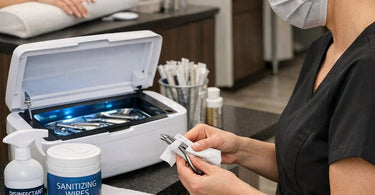
Pros love this innovation, but lets be real: the first time a client hears 'waterless manicure' they often look at you like you just offered to wash their hair with sawdust. Is it really clean if there is no water? Spoiler alert: it is not only cleaner, honey, it is practically surgical compared to the traditional soak. We are diving headfirst into the world of dry protocols, because if you are still using a communal bowl that looks like it might have seen the Clinton administration, we need to talk. Today we are breaking down how to absolutely slay at Managing Cross-Contamination Risks In Waterless Manicure Protocols, keeping your state board happy, your clients obsessed, and your Pedicure Chairs free from the swamp monster hiding in the jets.
Cross-contamination is the boogeyman hiding under your manicure table. In the traditional water world, that little soaking bowl is basically a petri dish having a pool party. Bacteria, fungi, and remnants of last weeks glitter explosion love to hang out in pipes and jets. When you switch to a waterless system, you remove the water variable entirely, effectively ghosting the germs before they even arrive. Lets look at how to protect your clients, your license, and your sanity.
Why Water is the Enemy (Besides Wrinkling Your Cuticles)
We all know that bacteria needs moisture to thrive. When we use a standard Nail Tables and Manicure Stations, we are in control. But as soon as you add standing water, things get dicey. Studies have shown that even in the cleanest salons, foot spas and bowls can harbor Pseudomonas aeruginosa and Mycobacterium fortuitum if not scrubbed to an inch of their lives. With a waterless manicure, you are using oils, creams, and sanitizers instead of H2O. You remove the risk of waterborne pathogens entirely. It is like putting your entire sanitation protocol on Easy Mode.
Furthermore, soaking is actually terrible for the nail plate! It expands the keratin, and when that moisture evaporates under a layer of gel or polish, it shrinks back, causing immediate lifting. That isnt just bad for retention; it creates tiny pockets where moisture can seep in later, leading to Ingrown Hair Products for toes? Not quite, but you get the idea. Keeping it dry keeps the seal tight.
The Step-by-Step to a Sterile Dry Service
Implementing a waterless protocol isnt just about skipping the bowl. You need a specific flow to ensure you are actually reducing risk rather than introducing new vectors. Here is your roadmap to success, starting the second the client sits down.
Step 1: The Visual Sanitization Station
Before you touch a single cuticle, both you and the client need to sanitize. Keep a high-quality, 70% alcohol-based spray or gel at every station. This sets the tone. The client sees you sanitizing, and they do it too. It signals that you run a tight ship. Use disposable wipes for the station surface to remove dust and debris from the previous client.
Step 2: The E-File Etiquette (No Blood, No Foul)
Waterless is heavily associated with the Russian Manicure style, which uses an e-file for heavy cuticle removal. This is where cross-contamination gets spicy. Bits are single-use unless you have an autoclave. Do not reuse a carbide bit on a new client just because you sprayed it with alcohol. Invest in disposable sanding bands or a high quality bit system you can properly sterilize. If you draw blood (and in waterless, you are working dry, so visibility is great, but slips happen), stop immediately, apply pressure, and throw away any disposable tools that touched the site.
Step 3: Oil vs. Water
Instead of soaking, apply a rich Cuticle Oil or a waterless emollient cream. These products soften the eponychium without causing the nail plate to swell. This is the safest route because you are introducing a controlled, sterile substance from a bottle, not an open water source. Massage it in, pushing back the skin gently. No water, no splash, no splatter.
Step 4: Dusting is Now a Risk Event
Because you are filing dry, creating dust is inevitable. This dust contains keratin from the previous client if you havent cleaned your drawers. You absolutely need a Nail Dust Collector running at every single service. This isnt just for allergies; it prevents the physical transfer of biological debris from one client to the next via the air or your desktop. Wipe down the collector filter with a disinfectant wipe between clients.
Step 5: The Retail Pitch (Because Safety Sells)
When you explain to a client why you no longer use water, you are not just educating them; you are upselling. Tell them, I keep your manicure dry so I can guarantee no bacteria from other clients ever touches your nail bed. It feels luxurious, and it makes you look like a hygiene hero. Pair this with a take-home Cuticle Oil so they keep that moisture balance at home.
The High-Tech Tools of a Hygienic Tradesperson
To truly master cross-contamination, you need the gear that makes it impossible to fail. Pure Spa Direct carries the arsenal you need to convert your salon into a fortress of cleanliness.
First, lose the porous files. If you are reusing a file that looks like a sponge, you are sharing blood cells with your clientele. Stock up on disposables or invest in sterilizable glass files. Second, your station setup matters. Use Hygienic Table Paper for Waxing, Spa & Massage Tables on your nail desk. It sounds extra, but laying down a fresh sheet of paper for each client provides a physical barrier that screams sterile. Third, consider UV Sterilizers. While chemical disinfectants are great for soaking tools, a UV drawer for your metal implements (nippers, pushers) gives you that final layer of kill-step security that impresses inspectors.
Don't Forget the Pedicure Side!
If you are doing waterless manicures but your pedicure chairs are still plumbed in, you have a double standard. Waterless pedicures are the ultimate luxury for the immunocompromised or the hygiene-obsessed client. Using disposable liners for foot basins or switching entirely to a system that uses disposable gloves filled with lotion (often called a Waterless Pedi Glove) eliminates the need to scrub jets entirely. If you keep the chairs, you must follow strict Professional Cleaners & Disinfectants for Salons and Spas protocols, but if you can go dry, do it. Your water bill will thank you, and so will your liability insurance.
The Anatomy of a Clean Station
Your actual Nail Tables and Manicure Stations need to be zoned. Keep a dirty zone for used files and a clean zone for untouched implements. Have separate spray bottles: one for pre-cleaning (soapy water) and one for disinfection (hospital-grade). Never, ever double-dip a spatula. If you scoop cream from a jar with a stick that touched a clients skin, you just contaminated the whole jar. Use pump bottles or individual packets for everything. This goes for Waxing Supplies for Professionals as well, but we are talking nails today.
Remember that cross-contamination isnt just about germs. It is about chemical interactions. If you are using a Dipping Powder Systems for Salons, using a communal pot of powder is a huge no-no. You are introducing bacteria from the clients nail bed into the powder, which then sticks to your brush, and goes back into the pot. Pour a small amount of powder into a disposable cup for each client. Wasteful? Slightly. Safe? Absolutely.
Wrapping It Up (Without a Towel)
Managing cross-contamination in waterless manicures is actually easier than managing it in a wet environment, but only if you stay vigilant. The dry protocol removes the water threat, but it adds the dust threat and the heavy e-file injury threat. Control your dust, toss your files, sterilize your bits, and use physical barriers like table paper. When you present this service to a client, explain the why. Tell them you are offering a luxury, hospital-clean experience that respects the integrity of their natural nail.
Ready to convert your salon into a dry, safe haven? Check out our Professional Nail Care Collections for all the Nail Files & Buffers and disposables you need to make the switch seamless. And hey, if your back hurts from scrubbing those old whirlpool jets, treat yourself to a new Portable Massage Tables for your break room. Youve earned that nap.
