
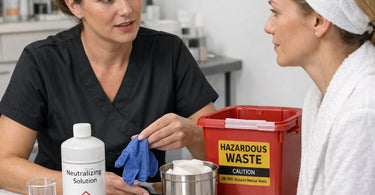
Start your journey to better results today by tackling the not-so-glamorous side of chemical peels! We talk a lot about the glow, the gush-worthy "after" photos, and the transformative power of a good peel. But, lovely estheticians and spa owners, there is a dark and bubbling cauldron of responsibility that comes with the territory: getting rid of the gunk. Specifically, what do you do with that cloudy, used-up medical grade chemical peel neutralizer after you've saved a client from turning into a tomato? If you've ever stood over a sink, bottle in hand, wondering if sending it down the drain is a one-way ticket to Plumbing Nightmare City, this one's for you.
Ladies, lets be real. Running a spa or facial treatment business is hectic. You've got back-to-back hydrodermabrasion sessions, clients asking for the latest dermaplaning tricks, and the never-ending laundry pile. The last thing you want to think about is the chemical soup in your back room. But improper disposal isn't just a whoopsie; it's a major no-no for your pipes, your staff, and the planet. So, grab a cotton round, put down that bottle of premium serum, and let's get our compliance on.
Why You Can't Just "Yee-Haw" It Down the Sink
First, a little chemistry 101 (I promise, no pop quiz at the end). Medical grade chemical peel neutralizers are specifically formulated to stop the acid in a peel from continuing to burn. Usually, they are a base solution (think baking soda but angrier). When you dump a bunch of unbuffered neutralizer down the drain, a few things happen. One, you're potentially messing up the pH balance of your local water treatment facility. Two, if you mix it accidentally with leftover acids in a trap under the sink? That can cause a chemical reaction that produces heat or fumes. Not exactly the aromatherapy experience we are going for.
Third, and most importantly for your wallet, these chemicals can eat away at old plumbing joints and seals. A leak under the manicure table is annoying; a leak behind the wall because you melted a pipe is a renovation. We aren't in the business of home repair; we are in the business of making people look snatched.
The Right Way to Say "Bye Felicia" to Neutralizers
So, how do we actually do it? The safest method for disposal of a neutralizer (assuming it is a non-hazardous, cosmetic-grade neutralizing solution, which most are) is to neutralize it fully before disposal. Wait, 'neutralize the neutralizer'? Yes, it sounds like a Christopher Nolan movie, but it works.
Step 1: Check the Label (The Boring but Crucial Step)
Not all neutralizers are created equal. Look for specific disposal instructions. If it says "Hazardous," you need a licensed biohazard waste disposal service. However, the medical grade neutralizers we stock at Pure Spa Direct and similar professional lines are often safe for sink disposal if diluted properly.
Step 2: The Running Water Rule
If you MUST pour it down the drain, do not just glug it in and walk away. Run the COLD water. You need a massive volume of water to dilute the solution as it travels through your pipes. Think of it like a River Rafting trip for molecules—they need space to not crash into each other.
Step 3: The Municipal Code Check (Be a Grown-Up)
Call your local water authority. I know, it sounds like a drag, but some cities have specific rules about beauty waste. If you are in a rural area with a septic tank? Hard stop. Do not pour ANY chemicals down the drain unless you want to pay for a $10,000 tank replacement next summer.
Better Yet: Solidify and Trash It
Here is the pro-tip that will save your plumbing and your sleep. Instead of pouring the liquid neutralizer down the drain, pour it into a container of kitty litter,??? absorbent pads, or even waste solidifier powder (available in spa essentials catalogs). Let it turn into a solid gel or clump. Once it is solid, scrape it into a sealed bag and toss it in the regular trash (again, check local codes first). This keeps caustic liquids out of the water table entirely. You are basically creating a little chemical prisoner that can't escape to terrorize the local fish population.
What About The Peel Itself? (The Acid Part)
We can't talk about neutralizers without talking about the peel waste. Whether you are using glycolic, salicylic, or lactic acids, do not pour these down the drain undiluted either. Use a cotton or gauze pad to wipe off the excess peel solution before you apply the neutralizer. That pad? Right into the trash. The less acid that hits the neutralizer, the less violent the reaction, and the safer your disposal is.
Safety Dance: Keeping Your Team Safe
Your spa apparel might be cute, but is it chemical resistant? Probably not. When handling used neutralizers, slap on a pair of protective gloves and masks. Splash-back is real, and no one wants a chemical burn on their new Barco uniform. Set up a dedicated "chemical disposal station" away from your towel steamers and clean towels. Contamination is a mood killer, and we are about good vibes only.
The "Oops, I Already Messed Up" Fix
If you have been dumping neutralizers for years and suddenly your facial steamer drain is smelling like a science lab, stop immediately. Flush the drain with gallons of hot water and baking soda to bring the pH back toward neutral. If the smell persists, call a plumber. Tell them what you poured. They will judge you silently, but they will fix it faster knowing the chemical composition.
For our waxing friends who also happen to do peels (busy bees!), remember that ItalWax cleanup is physical (scrape it off), while chemical peel cleanup is chemical. Never mix your wax disposal with your chemical disposal. Hard wax is a messy diva, but it won't melt your pipes. Neutralizers will.
Retail Therapy: Stocking the Right Disposal Aids
If you want to make disposal easier, stock up on items that help with containment. Look for heavy-duty trash bags, absorbent pads, and clearly labeled "Hazardous Waste" containers. You can find these in the professional cleaners and disinfectants section of our site. Being prepared means you don't have to panic-pour when a client is waiting for their lash extensions.
The Bottom Line: Ethics, Esthetics, and Ecology
Look, disposing of medical grade chemical peel neutralizers properly isn't glamorous. You won't get an Instagram reel with high views for "Watch me dump this bucket safely!" But it matters. It matters to your local water supply. It matters to the longevity of your building's plumbing. And frankly, it matters to your reputation as a professional.
If you need the specific Material Safety Data Sheets (MSDS) for the Murad or Tuel Skincare peels you bought from us, they are always available on the product page or by contacting support. When in doubt, the trash can (solidified) is almost always safer than the drain.
Now, go forth and peel responsibly! And remember, if you need a laugh, just picture me, Kelly, trying to explain pH levels to my cat at 2 AM. Stay safe, stay sanitary, and keep glowing.
)