
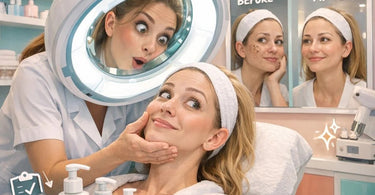
Elevate your work with the right tools and a solid game plan, especially when your client's main concern is those stubborn dark spots left behind after a breakout or waxing session. We're talking about Post-Inflammatory Hyperpigmentation, or PIH, and it's one of the most common, yet tricky, skin concerns you'll encounter, particularly for clients with darker skin tones. This isn't just about surface-level discoloration; it's a complex skin response that can cause significant distress for your clients. A recent systematic review highlighted that while many treatments are used, there's considerable room for improvement in outcomes, especially for skin of color. That's where your expertise and a professional-grade protocol come in. By understanding the science and having a strategic, multi-angle approach, you can transform this frustrating condition from a chronic problem into a manageable one, building immense client trust and loyalty in the process.
Think of PIH as your skin's overzealous security system. After an injury—be it a pimple, a waxing strip, or a chemical peel—the inflammatory process can kick melanocytes (those pigment-producing cells) into high gear. They start pumping out excess melanin, which gets deposited in the skin, leaving a tan, brown, or even blue-gray mark long after the original offender has packed its bags. These spots love to camp out on the face (a whopping 83% of cases, according to research), but they can appear anywhere. And here's the kicker: while PIH can affect all skin types, it has a "heightened predilection" for darker skin tones (Fitzpatrick types III-VI), where it's often more severe and persistent. In fact, studies show that dyschromias like PIH are among the top reasons individuals with skin of color seek dermatological care. So, when a client comes to you hoping to fade these marks, they're not just looking for a cream; they're looking for someone who understands the unique challenges of their skin.
The Golden Rule: Prevention and Protection are Non-Negotiable
The most effective treatment for PIH is stopping it before it starts. This means your first line of defense is managing any active inflammation with a gentle touch. For clients prone to breakouts, incorporating calming, anti-inflammatory ingredients into their home care is crucial. But the single most important weapon in your arsenal, and one you must preach like the gospel, is daily, broad-spectrum sunscreen. UV exposure is a guaranteed way to worsen existing PIH and trigger new pigment production. You need to educate clients that skipping SPF is like pouring gasoline on their dark spots. Recommend a mineral or chemical sunscreen with SPF 30 or higher and advise them to reapply. This isn't optional; it's the foundation upon which every other treatment is built. For in-spa treatments, this philosophy extends to your technique. Whether you're performing dermaplaning, extractions, or waxing, a calm, controlled hand that minimizes trauma is key to preventing new PIH from forming.
Building Your In-Spa Treatment Protocol: A Multi-Targeted Approach
Successfully fading PIH requires attacking the problem from several angles: inhibiting new pigment production, accelerating the removal of existing pigment, and keeping inflammation in check. Here's how to structure a professional treatment.
Step 1: The Consultation & Assessment. Always start with a thorough consultation. Use a Wood's lamp to help determine if the pigment is primarily epidermal (will enhance under the light), dermal (won't enhance), or mixed. This guides your treatment expectations, as epidermal pigment responds best to topical treatments. Document everything with photos.
Step 2: The Treatment Menu. Combine in-spa procedures with targeted product recommendations. No single treatment is a magic bullet, but synergy creates results.
- Professional Chemical Peels: Superficial peels with Glycolic Acid, Salicylic Acid, or Lactic Acid are excellent for accelerating cell turnover and gently exfoliating pigmented cells. A review of treatments showed chemical peels offered partial improvement in many cases. They can be a great entry point or maintenance treatment.
- Advanced Modalities: For more stubborn or dermal pigment, consider incorporating technology. Microdermabrasion offers mechanical exfoliation. LED Light Therapy, particularly with anti-inflammatory wavelengths, can help calm the skin. Caution with Lasers: While some lasers like low-fluence Q-switched Nd:YAG have shown promise (one review noted 26% complete resolution in a subgroup), they also carry a significant risk of causing or worsening PIH, especially in skin of color. These should only be considered by highly experienced practitioners after careful client selection and test spots.
Step 3: The Take-Home Power Players (Your Retail Cornerstone). This is where you build the long-term partnership. Recommend a regimen based on these proven ingredients:
- The Gold Standard: Hydroquinone (HQ). At 4% prescription strength, HQ is often considered the most potent tyrosinase inhibitor (it blocks the key enzyme in pigment production). However, it must be used in cycles (typically 3-4 months on, 1-2 months off) under professional guidance to avoid side effects like irritation or ochronosis. It's most powerful when combined with other agents.
-
The Dynamic Duo & Supporting Cast: The classic "triple combination" therapy pairs HQ with a retinoid (like Tretinoin to increase cell turnover) and a mild corticosteroid (to reduce inflammation). For clients who can't use HQ or need a maintenance option, build regimens around these effective alternatives:
- Azelaic Acid (15-20%): A fantastic multi-tasker that inhibits tyrosinase, reduces inflammation, and is safe for sensitive skin.
- Tranexamic Acid: A rising star that works by inhibiting melanocyte activation and has anti-inflammatory properties. Great for melasma-prone PIH.
- Vitamin C (L-ascorbic acid): A potent antioxidant that brightens, protects against UV damage, and can inhibit pigment formation.
- Niacinamide (Vitamin B3): Tolerated by almost all skin types, it reduces inflammation, improves skin barrier function, and helps block pigment transfer.
- Kojic Acid & Licorice Root Extract: Natural tyrosinase inhibitors that are effective, especially in combination with other ingredients.
Client Communication & Managing Expectations: The Real Secret to Success
Let's be real: treating PIH is a marathon, not a sprint. The review of treatments clearly states its course is "chronic once developed and treatment is often difficult," with a lack of robust efficacy across all modalities. You must set this expectation from day one. Explain that noticeable improvement takes a minimum of 6-8 weeks of consistent home care, and full resolution can take many months. Celebrate small victories! Emphasize that adherence to their home regimen (especially sunscreen) is 80% of the battle. Be their coach, cheerleader, and realist. Warn them that some initial flaking or mild irritation with active ingredients is normal, but to report any significant redness or discomfort. By managing expectations and providing unwavering support, you turn a frustrating journey into a collaborative success story, ensuring they keep coming back to you—and only you—for guidance.
Ready to build your hyperpigmentation treatment arsenal? Pure Spa Direct is your partner. From professional treatment actives and peel solutions to magnifying lamps for detailed analysis, we supply everything you need to offer this high-demand, high-satisfaction service. Stock up on quality applicators and compressed sponges for precise product application, and create a calming environment with aromatherapy. Transform your treatment room into a destination for confidence restoration today.
