
Smart choices lead to great outcomes, especially when your client's hair is screaming for help after a chemical service. You know the signs all too well: the straw-like texture, the snap-crackle-and-pop sounds during combing, the limpness where there should be bounce. It's the universal SOS signal for protein. As a professional, you're not just applying a product; you're performing a rescue mission. Intensive protein masks are your most powerful tool for repairing chemically damaged hair, rebuilding the structure from within, and turning a hair horror story into a shining success. Your clients trust you with their tresses, and with the right knowledge and arsenal from your professional supplies, you can deliver transformations that keep them coming back.
Chemical processes like coloring, bleaching, perming, and straightening treatments work by breaking down the hair's natural protein bonds. While this achieves the desired style or color change, it leaves the hair shaft weak, porous, and vulnerable. The hair's main structural protein, keratin, gets depleted. This damage manifests as brittleness, extreme dryness, lack of elasticity, and relentless breakage. It's like a brick wall losing its mortar—it might stand for a bit, but it's fragile and crumbling. A protein mask acts as that crucial mortar, filling in the gaps and rebuilding the inner scaffolding of the hair.
Beyond the Surface: How Protein Masks Actually Rebuild Hair
Unlike a standard conditioner that merely coats the hair, a true intensive protein treatment works on a deeper, structural level. It's the difference between putting a bandage on a wound and actually stitching it up. These masks contain hydrolyzed proteins—proteins that have been broken down into very small, hair-friendly molecules. Because of their tiny size, they can penetrate the hair shaft, reaching the cortex where the real damage from chemical services occurs.
Once inside, these proteins do two critical things. First, they bind to the areas where the hair's own keratin has been damaged or lost, effectively patching and reinforcing the structure. Second, they help to temporarily cross-link broken polypeptide chains within the cortex, restoring some of the hair's lost strength and elasticity. The result? Hair that doesn't just *feel* smoother on the outside but is genuinely *stronger* on the inside. This internal repair is what leads to the tangible benefits you and your clients see: dramatically reduced breakage, restored bounce and manageability, and a healthy, reflective shine that comes from a sealed, smooth cuticle. It's a non-negotiable step for any client with chemically processed hair.
Decoding the Protein Pantry: Keratin, Cysteine, Collagen & More
Not all proteins are created equal, and as a pro, knowing your ingredients is key to selecting the right treatment. Think of it as your culinary menu for hair repair.
- Keratin: The superstar. Since hair is primarily made of keratin, using a keratin treatment is like giving it exactly what it's missing. It's ideal for filling in severe damage, reducing breakage, and combating frizz by smoothing the cuticle layer. It's often the go-to for bleached, over-processed, or highly porous hair.
- Cysteine: A rising star in smoothing treatments. Cysteine is a sulfur-rich amino acid that naturally occurs in hair and is crucial for its strength. Cysteine-based treatments aim to replenish this specific component, often resulting in smooth, shiny, frizz-free hair that feels healthier and more flexible than with some traditional keratin straighteners. They are a popular choice for clients wanting smoothing with a focus on health.
- Hydrolyzed Wheat & Rice Proteins: The versatile workhorses. These plant-derived proteins are excellent for strengthening and adding volume. They help fortify the hair shaft, improve texture, and can be great for fine hair that needs strength without heaviness. Look for them in masks designed for fine or thinning hair.
- Silk Proteins: The beautifiers. Silk amino acids are fantastic for adding sublime softness, incredible shine, and a luxurious slip that makes detangling a dream. They're perfect for imparting that final, high-gloss, salon-finish touch.
- Collagen: The plumper. Collagen treatments can help improve hair's elasticity and add a sense of fullness and body, making them a good option for hair that has lost its bounce.
Stocking a range of masks with these different protein sources, like those from our Premium Hair Care collection, allows you to customize treatments for every client's unique damage profile.
The Professional Protocol: How to Apply a Protein Mask for Maximum Impact
To elevate this from a simple service to a transformative treatment, technique is everything. Here's your step-by-step guide to pro-level application.
- Cleanse and Clarify: Always start with a thorough wash using a clarifying shampoo. This removes any product buildup, oils, or minerals that could block the protein from penetrating effectively. It ensures the hair cuticle is open and ready to receive the treatment.
- Towel-Dry to Damp: Gently towel-dry the hair until it is uniformly damp, not dripping wet. Damp hair allows for even product distribution and better absorption than sopping wet hair.
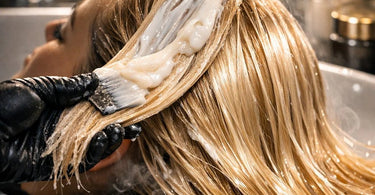
- Section and Apply: Divide the hair into four to six manageable sections. Using an application brush from your applicator tools, apply the mask generously from the mid-lengths to the ends, avoiding the scalp. The ends are the oldest and most damaged part of the hair and need the most love. Be meticulous—every strand should be coated.
- The Heat Boost (The Secret Weapon): This is where you work your magic. After application, cover the client's hair with a plastic processing cap. Then, apply gentle heat using a facial steamer or a professional hood dryer. Heat slightly expands the hair cuticle, allowing the protein molecules to penetrate even deeper into the cortex for more effective repair. Let the mask process for the recommended time, usually 15-30 minutes.
- Cool Rinse: Rinse the mask out thoroughly with cool or lukewarm water. Cool water helps to seal the cuticle back down, locking in the proteins and leaving the hair smooth and shiny.
- Follow with Moisture (The Critical Balance): Protein can sometimes make hair feel slightly rigid. Always follow up with a moisturizing, protein-free conditioner or a lightweight hair oil to restore softness and pliability. This protein-moisture balance is the golden rule of hair health.
Spotting Protein Overload: Keeping the Balance in Check
Yes, there can be too much of a good thing. "Protein overload" occurs when the hair gets too stiff and brittle from an excess of protein and a lack of moisture. Watch for these warning signs in your clients: hair that feels stiff, straw-like, and tangles easily; a lack of elasticity (hair stretches and doesn't bounce back, or snaps immediately); and increased breakage despite treatments.
The fix? Press pause on protein treatments and pivot to intense hydration. Recommend a series of moisturizing masks, hydrating leave-in conditioners, and regular use of hydrating oils. Once moisture levels are restored, you can reintroduce protein treatments on a less frequent, maintenance basis—perhaps once a month instead of every week. Listening to the hair's response is a crucial part of your professional expertise.
Building Your Salon's Protein Treatment Menu
Offering targeted protein treatments is a major value-add and revenue driver for your business. Here's how to build your service menu:
- The Express Strength Boost: A 15-minute add-on service after any chemical treatment using a lighter protein cream.
- The Intensive Reconstruction Treatment: A standalone 45-60 minute service for severely damaged hair, featuring a heavy-duty keratin mask, heat application, and a luxurious moisture finish. Perfect for clients recovering from bleach damage.
- The Smoothing Fusion Service: Combine a cysteine or keratin-based smoothing treatment with the deep conditioning benefits of a mask for a service that straightens *and* repairs.
Pair these services with retail. When clients see miraculous results in your chair, they'll want to maintain them at home. Recommend a take-home protein mask for weekly use and a balancing moisturizing conditioner. You can source everything you need to create these profitable packages, from the masks themselves to luxury towels and spa essentials, right here at Pure Spa Direct.
The Final Takeaway: Strong Hair is Happy Hair
Mastering the art of protein treatments is what separates a good stylist from a great one. It's a proactive, essential strategy for any client with chemically altered hair. By diagnosing the damage, selecting the right protein, applying it with professional precision, and maintaining the perfect protein-moisture balance, you do more than fix hair—you restore confidence. You transform your chair into a place of healing and trust. So stock up on the best tools, from professional brushes to top-shelf treatments, and make intensive protein masks your signature rescue remedy. Your clients' hair—and your booking schedule—will thank you for it.
