
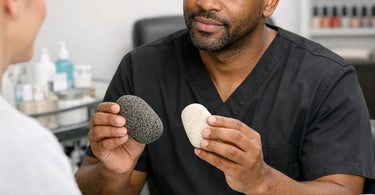
Stand tall with the right tools, because let's be real—nobody ever complained about having baby-soft heels. At Pure Spa Direct, we know that the humble pumice stone is often the unsung hero of the Pedicure Supplies lineup. But here is where the rubber meets the road (or the stone meets the sole): using the wrong grade of pumice is a little like trying to sand a delicate antique with a jackhammer. It's messy, it's aggressive, and your client will definitely not come back. Today, we are diving deep into the gritty (pun very much intended) world of volcanic abrasives to ensure your Pedicure Chairs/Spas are producing nothing short of miracles.
Pumice, in its natural form, is basically frozen lava foam. It is porous, lightweight, and surprisingly complex. For the professional pedicurist, understanding the "grit" or "grade" of your pumice is the difference between a relaxing exfoliation and a painful skin removal session that feels like a cheese grater to the ankle. We are going to break down the science, the laughs, and the practical know-how of selecting fine, medium, and coarse grades. By the end of this, you will be the Yoda of foot smoothing.
The "Why Bother?" Science of the Stone
Before we get into the heavy lifting (or gentle buffing), let's talk about why we use pumice instead of, say, a metal file or a cheese grater. Pumice is a natural mineral. It is the softest abrasive media in use today . Because it is volcanic glass, it is hard enough to scrape away dry, dead tissue, but soft enough that it doesn't generally damage the living skin underneath—if used correctly. However, consistency is key . You cannot use a product for too long on one spot, and you certainly cannot use a coarse industrial-grade stone on a first-time client with sensitive skin. That is a one-way ticket to a lawsuit and a bad Professional Cleaners & Disinfectants situation.
The Coarse Grade: The Heavy Hitter
Let's start with the big guns: Coarse Grade Pumice. Think of this as the Arnold Schwarzenegger of the foot care world. It is bulky, aggressive, and gets the job done when the situation looks hopeless. Coarse grades typically feature larger particles that create a rough, sandy texture. When we talk about a grit size of 40 to 60 mesh (like 1/0 or 2/0 grades), we are in the territory of serious callus reduction .
When should you reach for the coarse grade? When your client walks in wearing sandals in the middle of winter and you hear that distinct "click click" sound of hard heels on tile. We are talking about thick, cracked, keratinized skin that has seen better days. This grade is fantastic for removing the bulk of the dead tissue quickly. However, a word of warning from your friends at Pure Spa Direct: You must use a light touch. Do not put your full body weight into it! Use circular motions to prevent "burning" the area . If you press too hard, you will turn a happy callus removal into a raw, red, angry mess. And nobody wants that. Combine this step with some Sugar Scrubs for a pre-game warm-up.
The Medium Grade: The Everyday Hero
Ah, the Medium Grade. This is your bread and butter. If Coarse is Arnold, Medium is the reliable station wagon that always gets you there safely. Medium grit (usually ranging from 80 to 120 mesh) is the most versatile tool in your Spa Tools & Implements for Professionals kit. It is aggressive enough to smooth down moderate calluses but gentle enough that you won't draw blood if you sneeze.
This is the grade you will use for 90% of your maintenance clients. You know the ones—they walk regularly, wear decent shoes, but still have a bit of a rough patch on the lateral heel. Medium pumice is excellent for finishing what a coarse stone started. After you knock down the mountain with a coarse grit, you use a medium grit to turn that mountain into a molehill. Products like the Mr. Pumice bars often feature a dual-grit system specifically because medium grit is so essential for that second-stage smoothing . It leaves the skin feeling like a dolphin, not like sandpaper.
The Fine Grade: The Polisher
Finally, we have the Fine Grade. This is the prima ballerina of the group—gentle, precise, and completely unforgiving if you use it wrong (just kidding, it is very forgiving). Fine pumice (think 240 mesh or higher, like FF or FFF grades) is for buffing and polishing . It is not really for "removal" in the sense of carving away chunks of foot. It is for exfoliation.
You use fine grade on elbows, knees, and feet that are already relatively smooth but just need that extra glow. It is also the go-to for clients with diabetes or circulatory issues (with a doctor's note, of course) because it poses the lowest risk of tearing the skin. Fine grade pumice is also widely used in facial and body scrubs . At Pure Spa Direct, we love using fine pumice as the final step before slathering on the Massage Oils, Lotions, and Creams for Therapists. It opens up the pores and allows the hydration to sink in deeper.
Natural vs. Synthetic: The Great Debate
Let's settle this once and for all. Natural pumice is volcanic rock. It is porous, biodegradable, and feels very "earthy." However, natural pumice wears down quickly, crumbles in your hands, and, let's be honest, can sometimes harbor bacteria if not cleaned properly . It's like a sponge for gross stuff.
Enter Synthetic Pumice (like the famous Mr. Pumice PUMI Bars). This is often made from polyurethane or other engineered materials. It is self-cleaning, non-porous, and lasts for ages . It doesn't crumble into a dusty mess in your pedicure bowl. For a busy Professional Nail Care salon, synthetic is usually the way to go. It is more hygienic and cost-effective. Natural stones are great for retail or for the aesthetic of a high-end spa, but for heavy rotation? Give us that durable, easy-to-sterilize synthetic bar.
How to Use Pumice Without Looking Like a Newbie
Using pumice isn't rocket science, but there is an art to it. First, do not—I repeat, do not—use a dry pumice stone on dry skin. That is how you get friction burns. Always soak the foot first. Warm, soapy water softens the callus. Then, use the stone on the wet skin. If you are using the ItalWax - Wax station for leg hair removal, doing the pedicure pumice step first ensures the skin is prepped and clean.
Secondly, move in long, even strokes or small circles. Do not saw back and forth like you are trying to start a fire. You are a professional, not a caveman. Finally, finish with a good moisturizer. Exfoliation is useless if you don't replenish the skin's moisture barrier. A little Cuticle Oil and some rich foot cream will seal the deal.
Pro-Tips: Matching the Grade to the Client
Here is where you make the big bucks—knowing your client. Let's break it down.
The Construction Worker: Go Coarse. Thick, yellow calluses. You might even need to pair it with a chemical exfoliant or a blade (where legal), but follow up with a medium grit to smooth the jagged edges.
The Marathon Runner: Medium grit is your bestie. They have dense calluses on the balls of the feet and heels, but they aren't usually cracked. Smooth it down, but don't thin it out too much; they need that protection!
The Office Worker: Medium or Fine only. They have soft-ish feet but dry heels from sitting under a desk all day. A gentle buff is all they need. Use a fine pumice to just slough off the flaky top layer before applying a paraffin wax treatment from our Paraffin collection.
The Sandal Enthusiast (Year-Round): Fine polish. Their feet are already in good shape; you are just maintaining the shine. Think of it as detailing a car rather than repaving the road.
Don't Forget the Hygiene!
Because we love you and we love your clients, we have to talk about the ick factor. Pumice stones are porous. If you use a natural stone, you must disinfect it properly. The CDC and state boards generally recommend using a UV sterilizer or an EPA-registered disinfectant. Better yet, use single-use Compressed Sponges for the final exfoliation, or assign a synthetic pumice bar to a single client for home use. For salon use, reusable pumice stones need to be scrubbed clean and soaked in Professional Cleaners & Disinfectants for Salons and Spas after every single service. Cross-contamination is not a good look on anyone.
Conclusion: Go Forth and Smooth
Selecting the right grade of pumice for professional pedicures is not just about grabbing a rock off the shelf. It is about client safety, satisfaction, and return business. By matching the grit to the skin's condition—Coarse for heavy duty repair, Medium for maintenance, and Fine for polishing—you elevate your service from a simple foot rub to a medical-grade (in a relaxing way) treatment.
Ready to stock up? Pure Spa Direct has the largest selection of Nail Files & Buffers and pumice products on the market. Whether you need the durability of Berodin or the professional standard of Spa Masters, we have the inventory and the wholesale pricing to keep your business booming. Now go make those heels kissable!
%20Guide%20to%20Smooth%20Operator%20Status)