
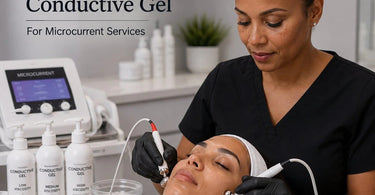
Because details matter... especially when it comes to the unsung hero of your microcurrent treatments: the gel. Let's be real for a second—you invested in that shiny, state-of-the-art Microcurrent Machine, watched the training videos, and practiced your gliding technique on every family member who would sit still long enough. You are ready to deliver those non-invasive facelifts and jaw-dropping results. But then, you get a lukewarm response from a client. Or worse, the machine feels like it's just skating over the skin, delivering a weird tingle instead of a transformative lift. The culprit? Nine times out of ten, it's not you or the machine—it's the conductive gel. Choosing the right viscosity of conductive gel for microcurrent services is the secret sauce that separates a good treatment from a truly transformational one. It's the difference between a client who sees a glow and one who's booking her next appointment before she even gets off the table, ready to see her face sculpted to perfection.
Think of it this way: your microcurrent machine is a high-performance sports car. It has all the power and technology to give you an incredible ride. But if you put cheap, low-grade fuel in the tank, it's going to sputter, misfire, and never reach its full potential. Your Conductive Gel is that fuel. It's the essential bridge that allows the low-level electrical current to travel from the device's probes, through the skin, and down into the facial muscles where the magic happens. So, let's ditch the confusion and get down to the nitty-gritty of viscosity, because not all gels are created equal, and your business deserves to shine.
What Even is Microcurrent? And Why Does It Need a "Middleman"?
Before we dive into the thick (pun intended) of viscosity, let's quickly recap what microcurrent actually does. This non-invasive treatment uses low-level electrical currents that mimic the body's own natural bioelectricity. The goal is to stimulate the production of ATP (adenosine triphosphate), which is basically the fuel that cells use to do their jobs. More ATP means more collagen and elastin production, leading to firmer, lifted, and more toned skin. It's like a workout for your face, but without the sweat, heavy breathing, or gym membership fees.
However, our skin isn't the best conductor of electricity. It's slightly dry, has a natural barrier, and offers some resistance. That's where the gel comes in. It acts as the conduit, the translator, the highly-efficient middleman that ensures the current reaches its destination smoothly and effectively. A good gel reduces impedance (electrical resistance), allowing the current to flow uniformly. It also provides the necessary lubrication for the probes to glide across the face without pulling or tugging, which would be a huge no-no for a relaxing spa experience. There are many great options available in our Advanced Facial Treatment Products collection.
The Great Viscosity Debate: What Does It Actually Mean?
Simply put, viscosity is a fluid's resistance to flow. In the world of conductive gels, we're talking about its thickness. Is it a watery, runny liquid? Or a thick, honey-like goop? The right viscosity is the Goldilocks zone for your microcurrent machine—not too runny, not too thick, but just right. Choosing the wrong one is like trying to paint a masterpiece with a mop. You might get paint on the canvas, but it's not going to be the Mona Lisa.
When you're Spa Masters and looking for the perfect product, understanding this will make you the go-to expert. So, let's break down the three main types you'll encounter:
Low Viscosity: The Lightweight Sprinter
What it is: Think of a thin, water-based serum or a slightly thicker toner. It's lightweight, spreads like a dream, and absorbs relatively quickly.
- Pros: These gels are often enriched with hydrating ingredients and feel incredible on the skin. They're perfect for clients who want an additional skincare boost, as these gels can double as a treatment step. They also make the probes glide with almost zero friction, which is great for delicate areas like the under-eyes.
- Cons: Because they're so lightweight, they can dry out quickly. If you're working on a larger area or a treatment that requires more time, you might find yourself constantly reaching for the bottle to reapply. This can interrupt your flow, compromise conductivity, and lead to a less effective treatment .
- Best For: Quick, targeted treatments on smaller areas like the forehead or around the eyes. They're also a fantastic choice if you are layering the gel over a water-based serum. For a fantastic option, check out the range from CND or other skincare innovators.
Medium Viscosity: The All-Around All-Star
What it is: This is your go-to, workhorse gel. It has the consistency of a smooth, runny gel or a light aloe vera gel. It's thick enough to stay put but thin enough to spread easily.
- Pros: This is the sweet spot for most facial microcurrent treatments. It provides excellent conductivity without evaporating too quickly, giving you ample time to work on each area. It's easy to apply, doesn't drip, and offers the perfect amount of slip and "stick"—that magical combination that lets your probes move smoothly while maintaining consistent contact for an even current flow .
- Cons: While not a dealbreaker, you may need to reapply for longer 30+ minute protocols. However, it's much more forgiving than a low-viscosity gel.
- Best For: The majority of facial microcurrent protocols. Whether you're lifting the brows, toning the cheeks, or defining the jawline, a medium-viscosity gel is a reliable choice. For a pro-level option, consider the conductive gels from Prosana.
High Viscosity: The Heavyweight Champion
What it is: This gel is thick, like a honey or a dense aloe vera gel. It has a significant amount of body and holds its shape well.
- Pros: High-viscosity gels are incredibly long-lasting. They won't dry out, making them ideal for extended or full-body treatments where you need the gel to stay in place . Their thickness provides a protective cushion, reducing any potential for skin irritation or tugging.
- Cons: The thickness that makes them so durable can also be a drawback. They can be more challenging to spread evenly and may feel heavy or sticky on the skin if not applied correctly. Some clients might find the sensation less pleasant than a lighter gel. They also can be slightly more difficult to clean off.
- Best For: Full-face or neck treatments, or for use with devices that are moved more slowly over the skin. It's also great for microcurrent services combined with other technologies like Radio Frequency (RF) Machines, where you might want a more durable lubricant. For body treatments, you might look into high-viscosity options from Bon Vital.
The Viscosity Impact on Your Microcurrent Services
Choosing the right viscosity isn't just about personal preference; it directly impacts your results and client experience. A gel with the wrong viscosity can lead to uneven energy distribution, hot spots, or a current that fails to penetrate deeply enough to stimulate the muscles effectively. This is why you need to be strategic and knowledgeable.
For example, a high-viscosity gel might be fantastic for a full-body treatment using an Electronic Muscle Stimulation (EMS) Machine, but it might be overkill for a delicate facial contouring service. Conversely, using a low-viscosity gel designed for quick glide might not last long enough to be effective for a detailed jawline lift, leaving the area under-treated. Many of the best gels, like those for Tuel Skincare, offer a balanced medium viscosity for this very reason.
According to industry insights, the viscosity of a conductor gel is crucial for maintaining uniform contact between the electrodes and the skin . A well-formulated gel provides a consistent medium for the electrical current, ensuring the energy is delivered precisely where it's needed for maximum results .
How to Choose the Perfect Viscosity: A Step-by-Step Guide for Pros
Don't just grab the first bottle you see! Here's your cheat sheet to making the right choice every time.
1. Consider Your Device
What machine are you using? Some microcurrent devices, especially older models or specific brands, perform better with certain consistencies. Always check the manufacturer's recommendations first. Using a gel that's too thick could even put unnecessary strain on some devices.
2. Evaluate the Treatment Area
Is this a full-face treatment, a targeted brow lift, or a full-body service?
- Small Areas (Eyes, Brow): A low to medium viscosity gel provides the finesse you need for precise, delicate work.
- Full Face & Neck: A medium viscosity is your best bet—a fantastic all-rounder.
- Body Treatments: A higher viscosity gel is often better for larger areas, especially when using a larger, heavier probe.
3. Factor in Your Treatment Duration
If your protocol is a quick 10-minute toning session, a low or medium viscosity works perfectly. But if you're doing a comprehensive 30-minute facial that includes massage and multiple passes, you'll want a medium to high viscosity to ensure the gel doesn't dry out or become tacky before you're done .
4. Think About Your Client's Skin Type
- Oily/Acne-Prone: Stick with a lightweight, water-based gel that won't clog pores.
- Dry/Sensitive: Look for a medium-to-high viscosity gel that's packed with hydrating ingredients like hyaluronic acid or aloe vera to soothe and nourish the skin as you treat .
- Reactive Skin: Always opt for a hypoallergenic, fragrance-free formula that minimizes the risk of irritation .
5. Don't Be Afraid to Test
Ultimately, the best way to find your perfect match is to test different gels in real-world conditions. Try a low, medium, and high viscosity on a few different clients (or your long-suffering best friend) and see which one performs best in terms of glide, conductivity, results, and client comfort. Your experience is the best guide.
Remember, a high-quality water-based gel is essential. Oil-based or silicone-heavy formulas create an insulating barrier that will block the current, rendering your fancy machine useless . For a wide range of professional options, explore our selection from top brands.
More Than Just Thick and Thin: Other Key Attributes
Viscosity is crucial, but it's not the only factor. Here are a few other things to look for:
- Conductivity: This is the main event! Some gels will list their conductivity level. You want a gel that is specifically formulated for microcurrent, not just a general massage gel .
- pH Balance: Look for a pH-balanced formula (around 5.5) to maintain the skin's natural barrier and prevent post-treatment redness .
- Ingredients: A good gel is a cocktail of beneficial ingredients. Look for humectants like hyaluronic acid and glycerin to draw moisture into the skin, and soothing agents like aloe vera to calm and protect . Avoid mineral oil, heavy fragrances, or alcohol that can cause irritation or block conductivity .
- Residue: The best gels are non-greasy, non-staining, and wipe away easily with a towel, leaving no sticky or tacky residue behind .
Pro Tips for a Flawless Microcurrent Service
You've got the machine, you've chosen the perfect gel, now it's time to put it all together. Here are a few quick tips to elevate your service:
- Prep is Key: Always start with a thoroughly cleansed and exfoliated face. A clean slate ensures the current can penetrate effectively and the gel is working directly on the skin, not on a layer of makeup or oil. Check out our Premium Skincare Products for pre-treatment essentials.
- Apply Generously (But Smartly): Don't skimp on the gel! You need a thick enough layer to allow the probes to glide smoothly. It's better to apply a bit more than you think you need. You can always wipe away excess, but you can't add more once the treatment starts without stopping.
- Work in Sections: Rather than applying the gel to the entire face at once, especially with a low-viscosity gel, work in sections. Apply to one area, treat, and then move to the next. This prevents the gel from drying out, ensuring consistent conductivity .
- Keep It Moist: If the gel starts to feel tacky or dry, don't be afraid to spritz a little water or toner on the area. This reactivates the gel and rehydrates the surface, allowing the probes to continue gliding smoothly.
- End with a Cleanse: After the treatment, thoroughly remove all gel with a warm, damp towel. Follow up with a toner and a moisturizer to lock in hydration. You can use products from the Spa Body Treatments section to finish the service beautifully.
Your Pure Spa Direct Solution
At the end of the day, selecting the right viscosity of conductive gel for microcurrent services is a decision that can define the success of your treatments. It's about more than just completing a circuit; it's about maximizing the efficacy of your investment, ensuring client comfort, and delivering the visible results that drive loyalty and glowing reviews.
Ready to get your hands on the best conductive gels? At Pure Spa Direct, we offer a curated selection of top-tier, professional-grade gels and everything else you need to elevate your services. From skincare essentials to top-of-the-line equipment, we are your one-stop shop. Don't let a subpar gel be the weakest link in your treatment chain. Upgrade your gel, upgrade your results, and watch your client list grow. Visit our Professional Massage & Wellness Products or search our site for the perfect match today!
