
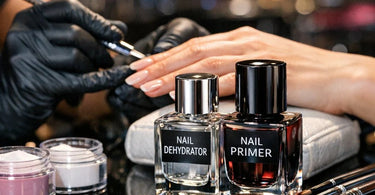
Deliver results that make a difference... Starting with the unsung heroes sitting on your manicure station: your trusty little bottles of nail primer and dehydrator. Think of them as the ultimate dynamic duo, the peanut butter and jelly, the Batman and Robin of your acrylic system—without them, your beautiful work is just a fancy sculpture waiting to pop off at the first sign of a handbag rummage. Let's be honest, a lifted acrylic is about as welcome as a mosquito at a picnic, and it's usually a cry for help from your prep routine. This guide will crack the code on picking the perfect primer and dehydrator pair to give your clients the kind of wear time that earns you serious loyalty (and those five-star reviews).
First things first, let's clear up the mystery of what these two potions actually do, because using them correctly is where the magic happens.
Dehydrator vs. Primer: Knowing Your Prep Players
A nail dehydrator is your first line of defense. Its job is simple but critical: it removes all moisture, oil, and microscopic debris from the natural nail plate. Think of it as the ultimate degreaser. It creates a perfectly dry, squeaky-clean canvas so your products can adhere directly to the nail, not to a layer of body oils or old lotion. Most dehydrators are alcohol-based and evaporate quickly, leaving no residue behind. This step alone drastically reduces the chance of fungal issues and lifting from the get-go.
The nail primer, on the other hand, is the actual matchmaker. It creates a powerful chemical bond between the natural nail (which is hydrophilic, or “water-loving”) and the acrylic product (which is hydrophobic, or “water-fearing”). Primers typically come in two main types: acid-based and non-acid (also called acid-free or bonding primers). Acid-based primers are the O.G. heavy lifters, using methacrylic acid to gently etch the nail surface for a super-strong mechanical bond. Non-acid primers work through adhesion promoters and are much gentler on both the natural nail and your skin, making them a favorite for many modern techs and clients with sensitivities. Choosing the right one is like picking a dance partner—it needs to match your system's style.
Forming the Perfect Power Couple: Top Combinations to Try
Not all primers and dehydrators play nice together, and using mismatched products is a shortcut to service breakdown. The best approach is often to use a dehydrator and primer from the same professional brand and system, as they are formulated to work in perfect harmony. Here are a few powerhouse combinations that have earned their stripes in salons worldwide.
The Classic Heavy-Duty Bond: For clients who are hard on their nails or have naturally oily nail beds, you can't go wrong with a proven acid-based primer system. A combination like CND's Scrub Fresh (dehydrator) and CND Retention+ (acid primer) is a legendary pairing. Scrub Fresh cleanses and dehydrates in one step, while Retention+ provides that deep, etched bond that makes acrylics feel like they're part of the client. This is the combo you pull out when you need unwavering confidence in your adhesion.
The Gentle Yet Mighty Bond: For most everyday clients and those with sensitive skin or thinner nails, a non-acid system is a fantastic choice. Brands like Young Nails offer superb options. Their Protein Bond is a iconic non-acid primer that works as both a dehydrator and a primer, creating a tacky layer for product to grab onto. For a two-step process, pair it with their RapiDry Dehydrator first for an extra-secure prep. This combination is a salon favorite for its reliability and skin-friendliness.
The All-in-One Wonder: Sometimes, simplicity wins. Many modern systems offer combination products that dehydrate and prime in a single bottle. These are perfect for efficiency without sacrificing performance. Look for trusted brands in the acrylic nail supplies category that offer these multi-tasking heroes. They streamline your service time and reduce the number of bottles on your nail table, which is always a win.
Pro Application Tips: Where the Rubber Meets the Road (or the Nail)
Having the right products is only half the battle; using them like a pro is the other. Here’s how to get the most out of your dynamic duo.
1. Prep is Non-Negotiable: Before you even think about primer, the nail must be properly prepped. Gently push back cuticles, remove the shine with a fine-grit nail file or buffer, and brush away all dust. Any cuticle left on the nail plate will cause lifting—no primer can fix that!
2. Less is More with Dehydrator: Apply your dehydrator to the entire nail plate, including the free edge. Use a lint-free wipe or a brush to apply a thin layer. Let it air dry completely—it should only take a few seconds. You're not trying to soak the nail; you're just giving it a quick, clean swipe.
3. Primer Application is Key: For acid primers, the classic “bead” method is best. Dip the very tip of your primer brush into the liquid, then gently touch it to the center of the nail. It will spread out into a perfect bead that covers the nail without flooding the cuticle. For non-acid primers, you can often apply a thin, even layer across the nail. Never apply primer to the skin or cuticle. The goal is a thin, even coverage on the nail plate only.
4. Timing is Everything: Let the primer dry according to the manufacturer's instructions. Acid primers usually need to dry completely (they go from shiny to matte). Some non-acid primers are designed to be “tacky-dry,” where you apply the acrylic while the primer is still slightly sticky. Knowing this difference is crucial!
5. Avoid Contamination: Never, ever dip a dirty brush into your primer bottle. One speck of acrylic powder or dust can contaminate the entire bottle and weaken its bonding power. Use a dedicated brush and keep the cap tightly closed.
Troubleshooting Common Primer & Dehydrator Dilemmas
Even with the best products, issues can pop up. Here’s a quick cheat sheet for solving them.
“My acrylic is lifting at the cuticle!” This is almost always a prep issue, not a product issue. Re-check your cuticle removal and make sure you're not flooding the primer or acrylic onto the skin. Also, ensure your LED or UV lamp is at full strength if you're working with gel-based systems.
“The primer makes my client's skin turn white or burn.” This is a sign of acid primer touching the skin. Switch to a gentler, non-acid primer for this client and be extra meticulous in your application. Having a bottle of cuticle oil nearby to neutralize any accidental skin contact is a smart move.
“My acrylic won't self-level or smooth properly over the primer.” You might be applying too much primer or not letting it dry fully. A soggy, over-primed nail will cause the acrylic to “run” and not bead up correctly. Use less and ensure it's completely dry before applying your product.
“The product bonds great in the middle but pops off at the tips.” You're likely forgetting to prep and prime the free edge (the very tip of the natural nail). Dehydrate and prime under the nail tip as well to ensure 360-degree adhesion.
Building Your Ultimate Nail Prep Kit
Your primer and dehydrator are the stars, but they need a supporting cast. Round out your prep station with these essentials from Pure Spa Direct to ensure every service starts on the right foot:
The Clean Slate Crew: Quality nail files and buffers, cuticle pushers, and a reliable clipper disinfectant are the foundation of good prep. Don't forget lint-free wipes for applying your liquids!
Comfort & Care: A good magnifying lamp helps you see every detail of the cuticle line. Keep nourishing cuticle oil and hand cream on hand for the finishing touch that wows clients and encourages retail sales.
Station Essentials: Keep everything organized and sanitary on a spacious manicure table. A towel steamer can add a luxurious touch to your manicure services, and having a UV sterilizer for tools provides undeniable peace of mind for you and your clients.
Mastering your primer and dehydrator game is what separates a good nail tech from a great one. It's the invisible foundation that holds your artistry together for weeks on end. By choosing the right combination for your client's needs and applying it with precision, you're not just applying acrylics—you're building trust, one un-lifted nail at a time. Now go forth and bond with confidence! Your next flawless set is waiting.
