
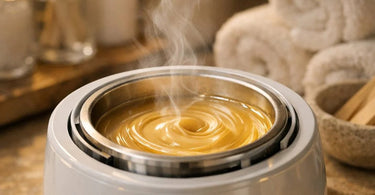
Tools that deliver, every time...that’s the dream, right? But let’s be honest, sometimes our trusty wax warmer can feel less like a trusty sidekick and more like a tiny, mischievous volcano with a vendetta against your schedule. One minute your wax is the perfect, honey-like consistency, ready to gently remove hair and leave skin smoother than a polished seashell. The next, it’s either stringy, stretchy, and about as effective as a spoon made of spaghetti, or it’s turned into a brittle, crumbly mess that shatters on contact. And then there’s the stuff of every esthetician’s nightmares: the moment you realize your wax has gone from ‘warm and soothing’ to ‘surface-of-the-sun’ hot, and your client is about to launch off the table like a human rocket. Mastering your wax pot temperature isn’t just a nice skill to have; it’s the cornerstone of a flawless, profitable, and lawsuit-free waxing service. So grab your favorite spatula, and let’s dive into the steamy, sometimes sticky, world of perfect wax heat.
Why Your Wax Warmer is the Drama Queen of Your Spa
Think of your wax warmer as a temperamental artist. It has its moods. It reacts to its environment. And if you don’t treat it with the respect and attention it craves, it will absolutely sabotage your masterpiece (aka, that bikini wax). The key to a happy artist and a perfect performance is consistency, and that starts with understanding that the temperature dial is not just a suggestion . It’s a precise instrument that dictates the very personality of your wax. Crank it up too high, and you’re dealing with a runny, angry liquid that’s one degree away from causing a burn. Keep it too low, and you get a thick, lumpy paste that tears hair instead of removing it, leaving clients red, irritated, and questioning all their life choices. Finding that Goldilocks zone is our mission, and we’re here to accomplish it.
The Goldilocks Zone: Finding the Perfect Temperature for Your Wax
So, what is this magical temperature range? Well, like a good mystery novel, it depends on the characters involved. Generally speaking, hard wax, the kind that shrinks around the hair and is removed without strips, prefers a cozier environment, typically between 125-135°F (51-57°C) . Soft wax, the kind you use with strips or rolls, often needs a bit more heat to achieve that spreadable, thin consistency, usually around 130-140°F (54-60°C) . But here’s the kicker: those are just starting points! Different brands and formulations, like our fabulous friends at ItalWax, Lycon, or Starpil, will have their own ideal temperature sweet spots. Always, always check the manufacturer’s guidelines first. They spent a lot of time in a lab so you don’t have to play a guessing game with someone’s delicate skin.
Decoding Wax Behavior: What Your Wax is Trying to Tell You
Your wax is actually quite chatty if you know how to listen. It gives you clear signals when the temperature isn’t right. Pay attention, and you’ll save yourself a whole lot of hassle.
The Stringy, Stretchy Sob Story
Is your wax acting like it’s auditioning for a role in a cheesy 80s hair band video, stretching and stringing everywhere? This is a classic sign that your wax is too cool . When it’s not hot enough, it loses its ability to spread smoothly and cohesively. Instead of a clean, thin layer, you get a goopy, sticky mess that refuses to release from the spatula and definitely won’t pull hair cleanly. It’s a recipe for pain, poor results, and a very frustrated esthetician. This is your wax crying out for a little more warmth. Turn that dial up just a smidge, give it a good stir, and let it come up to temperature.
The Brittle, Crumbly Tragedy
On the flip side, if your hard wax is shattering into a million tiny pieces before you can even get it on the skin, or your soft wax is applying thick and lumpy, it’s probably too cool as well. Yes, you read that right. Both stringiness and brittleness can be signs of low temperature, just at different stages. If hard wax is too cool, it won’t be fluid enough to form a proper edge and will just crack and crumble. But sometimes, wax can become brittle if it’s been overheated and then cooled down, losing its essential plasticizers. The key is consistency. A properly heated hard wax should be the consistency of warm honey, fluid enough to apply in a thin, even layer but firm enough to set up quickly without running. For hard wax, if it’s not moving like honey, it’s not ready to party.
The Lava Lamp Incident
This is the big one. If your wax is runny, thin, and smoking slightly, or if it feels shockingly hot on your inner wrist (your trusty temperature tester!), it’s too hot. Dangerously hot. Using wax at this temperature is a one-way ticket to Burnsville, population: your client. Not only is it incredibly painful, but it can also cause severe skin damage, scabbing, and scarring . If you suspect your wax is too hot, do not pass go, do not collect $200. Immediately turn off or unplug the warmer and stir the wax vigorously to help distribute the heat and cool it down . Let it sit for a bit and test it again. Patience is a virtue, especially when it comes to not harming the people who trust you with their skin.
Tools of the Temperature Trade
Relying on the little dial on your warmer is like relying on a chocolate teapot to make a cuppa. It might look like it should work, but it’s going to end in a melted mess. Professional-grade temperature control requires professional-grade tools.
- Invest in a Good Thermometer: A digital infrared thermometer or a thermometer with a probe is your new best friend . It gives you an instant, accurate read of the wax temperature, not just at the surface but throughout the pot if you use a probe. This takes the guesswork completely out of the equation.
- The Art of Stirring: You must stir your wax. Regularly. Like, make it a habit. Wax stratifies, meaning the wax at the bottom of the pot is always hotter than the wax at the top . If you don’t stir, you’re essentially playing Russian roulette with every client, never knowing if you’re about to scoop up a skin-searing pocket of hot wax or a glop of lukewarm goo. Get in there with a clean spatula and give it a good figure-eight stir before every single client. Your consistency (and your clients) will thank you.
- Know Your Warmer: Not all wax warmers are created equal. Some have digital controls that maintain a more consistent temperature, while others have simple dials that can fluctuate wildly . Some warmers, like those with independent temperature controls, allow you to have different waxes at their perfect temperatures simultaneously . Understanding your equipment’s quirks is half the battle.
Prevention is Better Than a Burn Cream Lawsuit
Beyond thermometers and stir sticks, there are simple protocols you can implement to make burn prevention second nature.
- The Wrist Test is Non-Negotiable: Before you apply wax to a client’s body, always, always test a small amount on your own inner wrist . This area is sensitive and will give you an honest answer about the wax’s temperature. It should feel warmly comfortable, not painfully hot.
- Listen to Your Clients: If a client says, “Ooh, that’s a little warm,” believe them. Don’t dismiss it or tell them it’s normal. Their pain tolerance might be lower, or your wax might genuinely be too hot. Stop, test it, and adjust. A happy, comfortable client is a repeat client.
- Create a Routine: Build temperature checks into your service routine. Before you even call a client back, check the temp and give the wax a stir. While you’re prepping the area, do another quick temp check. This consistent attention shows your clients that you’re a meticulous professional who prioritizes their safety and comfort above all else .
The Perfect Pour: From Pot to Skin
Once your wax is at that dreamy, perfect temperature, the application is where the magic happens. But even the best-heated wax can be sabotaged by poor tools or technique. Using high-quality applicators and spatulas makes a world of difference. And remember, never, ever double-dip a used spatula back into the main pot of wax! This is a major hygiene no-no that can transfer bacteria and lead to infections for your next client . Instead, use a fresh spatula for each new application of wax. If you’re using a roll-on wax cartridge system, this is less of a concern, but you still need to ensure the wax inside is at the right temperature.
When Things Go Sideways: Troubleshooting Common Temperature Tangles
Even with the best planning, sometimes things go awry. Maybe it’s a super humid day, or your air conditioning is on the fritz. Environmental factors like room temperature and humidity can affect how your wax behaves . If you find your wax is setting too quickly, it might need a slight temperature increase. If it’s not setting up at all, it’s probably too hot, or you might be in a very humid environment. Don’t be afraid to make tiny adjustments and keep detailed notes on what works best in your specific space with your specific products. This kind of detailed attention is what separates the good waxers from the legendary ones.
Mastering the art of wax pot temperature is a journey, not a destination. It’s a commitment to excellence that elevates your entire service menu. It means fewer client ouchies, better hair removal results, and a reputation as a true professional who cares about the details. So go forth, wield your thermometer with pride, stir with purpose, and may your wax always be the perfect temperature for smooth sailing (and smooth skin). And for all your waxing needs, from the perfect hard wax and soft wax to top-of-the-line warmers and all the accessories in between, you know where to find it all. Happy waxing!
)