
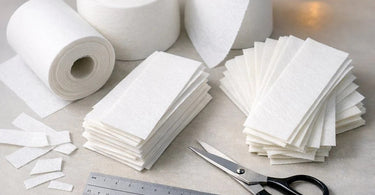
Simplify success - stock this, master that, and watch your waxing room transform from a place of polite panic to a zen zone of efficiency. We’re talking, of course, about the humble, the hardworking, the often-underestimated wax strip. It might seem like just a piece of fabric or non-woven material, but in the hands of a skilled professional, it’s a tool of precision, comfort, and serious hair-removal power. For too long, the wax strip has been treated as an afterthought, the sidekick to the star of the show: the wax itself. But we know better, don’t we? We know that the perfect waxing service is a symphony, and the strip deserves its moment in the spotlight. So, grab your wax warmer, your favorite ItalWax, and let’s get down to the sticky, satisfying details.
We’ve all been there. You’ve got the perfect temperature on your wax warmer, your spatula technique is flawless, and your client is relaxed. Then, you reach for a strip, and it all goes sideways. It rips. It frays. It refuses to release from the wax, leaving a sticky, stringy mess that makes you want to tear your own hair out. This, my friends, is a tragedy we can avoid. Understanding the anatomy of a wax strip is the first step to waxing nirvana. It’s about knowing your GSM from your elbow, and why stretch matters more than you think. Let’s turn that potential sticky situation into a smooth, swift, and satisfying service that keeps your clients coming back for more (and maybe even tipping a little extra).
Decoding the Lingo: What in the World is GSM?
First up, let’s talk about GSM. No, it’s not a secret society for people who really love waxing (though we’d probably join). GSM stands for Grams per Square Meter, and it’s the standard measurement for the density and weight of a fabric. In the world of waxing supplies, this translates directly to the thickness and strength of your wax strip.
Think of it like this: a low-GSM strip (around 30-40 GSM) is like a delicate piece of tissue paper. It’s lightweight and flexible, but it can also be prone to tearing, especially when you’re working with a tackier wax or on coarser hair. These whisper-thin strips are fantastic for detailed areas like the brows or upper lip, where you need maximum maneuverability and minimal pressure. They conform to the curves of the face like a dream.
On the flip side, a high-GSM strip (50-70 GSM and above) is your heavy-hitter. It’s the denim jacket of the wax strip world - sturdy, reliable, and built to last. These strips are perfect for larger, high-traffic areas like legs, arms, and chests. They can handle a thicker layer of wax and the resistance of stubborn, coarse hair without buckling or ripping mid-pull. That moment when a strip tears halfway through a pull, leaving you and your client in a state of shocked silence? A high-GSM strip is your knight in shining (non-woven) armor against that.
At Pure Spa Direct, we offer a variety of strips, from lightweight options perfect for delicate work to heavy-duty champions for the tough jobs. Choosing the right GSM for the job isn’t just about efficiency; it’s about client comfort. A strip that’s too flimsy can cause unnecessary tugging and pain, while one that’s too bulky might feel awkward on a tiny area. It’s all about having the right tool for the right task in your complete waxing kit.
The Great Stretch-Off: Non-Woven vs. Woven vs. Plastic
Now that we’ve conquered GSM, let’s move on to material and stretch. This is where things get really interesting. The three main contenders in the wax strip arena are non-woven, woven, and plastic. Each has its own personality, strengths, and ideal applications.
Non-Woven Strips: These are the industry gold standard for a reason. Made from spun-bonded fibers (like the material in those ubiquitous blue face masks, but softer), they offer a fantastic balance of strength and flexibility. The key here is stretch. High-quality non-woven strips have a slight, controlled give to them. Why is this important? When you apply the strip and pull it taut against the skin, that slight stretch allows you to snap the strip back parallel to the skin, not up and away. This is the secret to minimizing pain and preventing bruising. The fibers in non-woven strips also have a textured surface that grips the wax perfectly, ensuring a solid bond without the strip absorbing all the wax and leaving none on the hair. It’s the MVP.
Woven Strips: These are your traditional fabric strips, often made from a cotton or polyester blend. They have a visible criss-cross pattern and offer very little, if any, stretch. Woven strips can be a great, economical choice for some applications, particularly with softer waxes. However, their lack of stretch means you have to be even more precise with your tension and flicking technique. They also have a tendency to fray at the edges after multiple uses, which can be a hygiene concern. If you’re using woven strips, make sure they are high-quality and you’re not double-dipping (please, never double-dip!) by reusing a strip that’s touched a client’s skin.
Plastic/Roll-On System Strips: Often found in roll-on wax systems, these are thin, clear plastic strips. They are non-porous and have zero stretch. Their main advantage is visibility - you can see exactly how the wax is adhering to the hair. They are also very rigid, which can be great for creating a clean, sharp edge for precise applications. However, because they don’t stretch, the technique is different. You need to apply the strip with firm pressure and ensure a very quick, sharp flick. They are a staple for many technicians who love the speed and consistency of roll-on wax cartridges.
Cutting Class: How to Slice and Dice Your Strips Like a Pro
You’ve chosen the perfect strip for the job. But it comes on a roll. Now what? You can’t just tear off a random hunk of fabric and hope for the best. Proper cutting techniques are essential for efficiency, waste reduction, and client comfort. Think of it as preparing your mise en place before a big dinner service. Your future, less-stressed self will thank you.
The Pre-Cut Prep: Start with a clean, sanitized surface. Have a pair of sharp, dedicated spa scissors on hand - never use your personal or brow scissors for cutting strips, as the wax residue will ruin them. Before your client even lies down, pre-cut a selection of strips in various sizes. This prevents you from fumbling with scissors and a roll of strips mid-service while your client is lying there, arm akimbo.
Sizing it Up: The size of your strip should match the area you’re working on.
- Brows, Upper Lip, Toes: Tiny strips, about 1 inch wide and 2-3 inches long. You can even cut a standard strip lengthwise to create two thinner strips. Precision is key here, and a big, floppy strip is your enemy.
- Underarms, Bikini Line: Small to medium strips, about 2 inches wide and 4-5 inches long. You need enough to get a good grip and cover the area in one or two efficient pulls.
- Lower Legs, Arms: Medium strips, about 3 inches wide and 6-8 inches long. This size offers a good balance of coverage and control.
- Full Legs, Back, Chest: Go big or go home. Use full-width strips, 8-10 inches long. This allows you to cover maximum surface area quickly, making the service faster and more efficient for both you and your client.
Don’t be afraid to get creative with shapes. You can round the corners of your strips with scissors to prevent sharp edges from poking or irritating the skin. This is a small, thoughtful touch that screams “professional.”
The Art of the Pull: Technique is Everything
You’ve got your perfectly cut, perfectly matched strip. You’ve applied your hard wax or soft wax with the grace of a master. Now comes the moment of truth: the pull. This is where skill meets science. And maybe a little bit of theater.
Tension is Key: Before you even lay the strip on the wax, hold the skin taut with your free hand. This is non-negotiable. It minimizes pain and prevents the skin from lifting with the strip. For most areas, you’ll pull the skin tight in the opposite direction of the hair growth. For sensitive areas like the bikini line, you might pull the skin slightly toward you as you flick the strip away for extra support.
The Application: Lay the strip on the wax and press it down firmly in the direction of hair growth. You want to ensure maximum contact between the strip, the wax, and the hair. Some technicians like to do a quick, extra-firm press with the side of their hand to really bond everything together. Give it a split second to set.
The Flick (and Why Stretch Matters): Now, hold the corner of the strip and, with your skin still taut, pull the strip off in one swift, confident motion. The angle is crucial. You want to pull the strip back, parallel to the skin, as close to the surface as possible. This is where a strip with good stretch (like a quality non-woven) shines. You can pull it taut, giving you that split-second of controlled tension before the release, ensuring the hair is removed cleanly from the root without snapping off at the surface. Imagine you’re trying to skim a stone across the surface of a lake, not yank a fish out of it. The motion is quick, parallel, and close to the skin. Flick, not yank. Say it with me now: flick, not yank.
Waste Not, Want Not: Reducing Strip Waste and Saving Money
In the professional beauty world, profit margins matter. And one of the sneakiest ways money slips through your fingers is through product waste. Those wax strips you’re carelessly tearing off the roll? They add up. Let’s talk about how to be kinder to your wallet and the planet.
Right-Sizing is Your New Best Friend: We touched on this in cutting techniques, but it bears repeating. Don’t use a jumbo strip for a tiny patch of hair. It’s wasteful and clumsy. By pre-cutting a variety of sizes, you ensure you’re only using what you need. Those little corner scraps from squaring off a strip? Don’t throw them away! If they are clean and unused, they are perfect for tiny touch-ups or for clients with finer hair who need a smaller strip for detailed work.
The Double-Sided Strip (Use with Extreme Caution): In a perfect world, every strip is single-use for hygiene. And for most services, especially in areas like the bikini or underarms, that’s the rule. However, for larger areas like legs, some technicians will fold a fresh strip in half (clean sides together) after the first pull, then re-use the other side for the next application on the same client in the same session. The key phrase here is “on the same client.” This should never, ever be done if the strip has touched a sensitive or potentially compromised area. And it should never be saved for a different client. But if you’re doing a full leg and you’re efficient, you can effectively double the use of your strips, cutting your consumable costs in half. Always prioritize hygiene and never compromise client safety for a few cents.
Invest in Quality: It sounds counterintuitive, but buying cheap, low-quality strips often costs you more in the long run. They tear easily, don’t grip the wax well (requiring you to use more strips or more wax), and can lead to a frustrating, inefficient service that wastes your most valuable asset: time. Investing in high-quality wax strips and rolls from trusted brands means fewer do-overs, happier clients, and less frustration for you. Check out the incredible selection from brands like ItalWax, Lycon, and Starpil available at Pure Spa Direct. Your sanity (and your clients’ skin) will thank you.
The Perfect Post-Wax Protocol
The hair is gone, the client is marveling at their smooth skin. But the service isn’t over yet. How you handle the post-wax phase is just as important as the waxing itself. First, gently remove any residual wax with a high-quality post-wax oil or cleanser. This is where having a great pre and post-wax product line makes all the difference. These products are formulated to dissolve any sticky residue without irritating the freshly treated skin.
After the area is clean, apply a soothing lotion or oil. Look for ingredients like aloe, lavender, or tea tree oil to calm the skin and reduce redness. This is also a prime opportunity to recommend ingrown hair products for your client to use at home. A gentle, effective serum can prevent those pesky bumps from forming, ensuring your client’s smooth results last as long as possible and keeping you top-of-mind as their go-to expert. It’s a simple upsell that provides real value and builds client loyalty.
Finally, dispose of all used strips, spatulas, and applicators properly. A clean, organized workspace is the hallmark of a true professional. It shows your clients that you take their health and safety seriously. Plus, starting your next service with a clean slate just feels better, doesn’t it?
Stock Up and Level Up Your Waxing Game
So there you have it, the complete, no-stone-unturned, no-strip-unexplored guide to mastering the art of the wax strip. From understanding the technicalities of GSM to mastering the perfect parallel flick and slashing waste, you are now armed with the knowledge to elevate your waxing services from good to absolutely legendary. Remember, it’s not just about removing hair; it’s about the experience. It’s about the confidence your clients feel when they leave your studio, and the quiet satisfaction you get from a job done exceptionally well.
Ready to stock your dream waxing station with the best supplies in the business? Whether you need bulk rolls for a busy day of leg waxes, precision-cut strips for brow shaping, or the latest in natural sugaring products, Pure Spa Direct has everything you need. We carry all the top brands, from Berodin to Depileve, ensuring you have access to the professional-grade tools that make your job easier and your clients happier. So go ahead, treat yourself (and your business) to a bulk wax deal and experience the Pure Spa Direct difference. Your strips—and your clients—will thank you.
)