
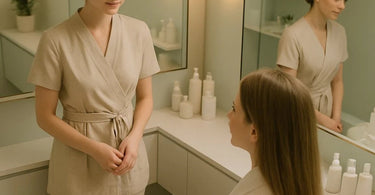
Stay competitive with this reminder: your job description probably mentions haircuts, color, and maybe a fabulous blowout, but it's missing the most important line item: "Unofficial Therapist, Confidence Builder, and Keeper of Secrets." You know it, we know it, and frankly, science is starting to catch up. While you're mastering the latest balayage technique or perfecting a lash lift, you're also performing what researchers call "emotional labor"—the effortful management of your own and your clients' feelings to create a positive experience. This isn't just small talk; it's a core part of the service that builds incredible loyalty but can also lead to emotional exhaustion if not managed. This blog is a love letter to you, the Emotional Support Stylist. We're diving into why this role is so powerful, how to protect your own energy while doing it, and how the right tools and environment can make this profound aspect of your work sustainable and even more rewarding.
Think about your chair. It's more than a seat; it's a confessional. Clients share job wins, break-ups, parenting struggles, and health worries. One study even found that over a quarter of all conversations in salons are directly health-related. In a world where many feel isolated, your salon is a vital hub for human connection. You provide a combination of attentive listening and therapeutic touch—a shampoo scalp massage isn't just about cleansing; it releases oxytocin, the "feel-good" hormone. You're not just changing how people look; you're helping to change how they feel, which is something no AI app or online tutorial can ever replicate. This unique position is your superpower for building a fiercely loyal clientele. People don't just come back for a great cut; they come back for the person who made them feel seen, heard, and fabulous.
Your Chair, Your Clinic: Mastering the Art of Supportive Listening
So, how do you excel in this unspoken role without crossing the line into amateur therapy? The key is supportive listening within clear professional boundaries. Your job isn't to solve problems or give advice (leave that to the licensed professionals). Your job is to be a compassionate sounding board. When a client shares a concern, try asking open-ended questions like, "Could you tell me a little more about that?" or "What would feeling better about this look like for you?" This guides the conversation in a positive, forward-looking direction without you having to play fixer. Sometimes, simply acknowledging their feeling ("That sounds incredibly stressful") is more powerful than any piece of advice you could give. Remember to keep the focus on them. While sharing a brief, relevant anecdote can build connection, avoid turning their story into a launchpad for your own. This active listening, paired with your technical skill, is the ultimate recipe for client retention. It turns a transaction into a relationship.
The Flip Side: Protecting Yourself from Compassion Fatigue
Here's the real talk no one gives you in beauty school: constantly holding space for others' emotions is draining work. This emotional labor, if unmanaged, is a direct path to burnout and compassion fatigue. You might feel emotionally exhausted, cynical, or even start to dread the very client conversations you once cherished. This isn't a sign of weakness; it's a sign that you're human and giving a lot of yourself. Research shows that the way you manage your emotional display matters. "Surface acting"—faking a smile when you're exhausted—is particularly damaging over time. The goal is to cultivate authentic presence, but that requires you to have energy in reserve. This is where self-care stops being a spa-day cliché and becomes a non-negotiable business practice. You cannot pour from an empty cup, especially when your cup is also expected to hold high-quality hair color and a steady hand for brow laminations.
Building Your Sanctuary: Tools for Resilience & Success
Thriving as an Emotional Support Stylist means building a practice that supports YOU. It starts with the environment. Your salon furniture should be comfortable for you and your client. A relaxing ambiance with calm music, soothing scents from an aromatherapy diffuser, and soft lighting sets the tone for everyone' well-being. Invest in equipment that reduces physical strain, like a supportive stylist chair or an LED lamp that prevents eye fatigue. Every detail, from plush Bleachsafe towels to a warm towel steamer, elevates the experience and tells your client they are worth the extra care—which in turn fuels your professional pride.
Next, protect your time and mental space. Set firm boundaries around your schedule. Use booking tools to avoid overbooking and protect your lunch break. When you're off, be OFF. Decompress with activities that have nothing to do with hair—hiking, cooking, or zoning out with a bad reality TV show. This isn't slacking; it's essential recovery for your emotional muscles. Don't hesitate to seek your own support, whether through talking with fellow stylists who understand the unique pressures or seeking professional counseling. Your mental health is the foundation of your business.
The Product Paradox: Retail as an Extension of Care
Here's where your role dovetails perfectly with smart business. Recommending take-home products isn't just an upsell; it's an extension of the care you provide in your chair. You're giving clients tools to replicate that "salon feeling" and continue their self-care ritual at home. Did you give a calming scalp massage? Send them home with a nourishing scalp treatment. Did you help them unwind during a hydrodermabrasion facial? Recommend a luxurious sugar scrub for their shower. This thoughtful guidance reinforces your expertise and deepens the therapeutic relationship. It turns a product into a placeholder for your support until their next visit. Explore trusted brands like Tuel Skincare for results-driven face care or Soothing Touch for massage lotions that enhance your touch therapy.
You Are the Magic. Let's Keep It That Way.
At the end of the day, the connection is what clients remember as much as the haircut. You are providing a service that is increasingly rare in our digital world: authentic, empathetic human connection. By acknowledging the weight of the Emotional Support Stylist role, you can start to honor it—and yourself—properly. Set your boundaries, curate a sanctuary with quality supplies from Pure Spa Direct, and remember that your well-being is the most important product you offer. Keep your cup full, stylist. Your clients, and your business, will thrive because of it.
