
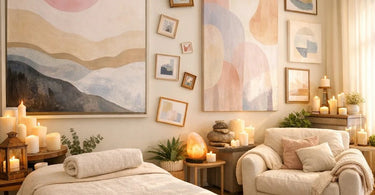
Pros know quality matters, and that doesn't just apply to the Massage Oil you use or the Massage Tables you invest in. It applies to the very vibe of your space. Let's be real for a second: you've spent countless hours perfecting your service menu, hunting down the perfect ItalWax for painless hair removal, and ensuring your Towel Steamers are always at the ready. But then you plop a client in your relaxation room, hand them a cucumber water, and their eyeballs land on a beige wall with a dusty poster of a dolphin that's been there since 2004. Honey, we can do better. So much better. Welcome to The Guide to Choosing Artwork for a Relaxation Room, where we turn that blank-wall-blank-stare situation into a serene, profitable masterpiece.
Think of your relaxation room not as a waiting area, but as the pre-game show for the main event. It's where the magic of "unwinding" actually begins. The right artwork is like a really good therapist; it doesn't need to say much, it just needs to listen... and look fabulous while doing it. A well-chosen piece of art can lower a client's heart rate before they even hit the table, making them more receptive to your services and more likely to book that next appointment (and buy that overpriced but totally necessary Aromatherapy candle on the way out).
Why Your Relaxation Room Walls Need a Hug (From Art)
Okay, so maybe art can't physically hug your clients, but it can give them a visual one. When someone walks into your spa, they're often carrying the stress of the outside world like a designer handbag they can't put down. Your job, and the job of your carefully curated space, is to gently pry that stress-bag from their fingers. According to spa design experts, guests are drawn to spaces that feel both luxurious and connected to nature, using materials that bring the outdoors in . Art is the quickest, most cost-effective way to do that.
A chaotic, neon abstract piece with clashing colors might be the perfect conversation starter for a trendy coffee shop, but in a relaxation room? It's the visual equivalent of someone tapping you on the shoulder repeatedly while you're trying to nap. You want art that whispers, not shouts. You want art that says, "Hey, you. Yeah, you with the clenched jaw. Sit down, relax, and maybe think about booking a Cupping session. It'll change your life."
The Great Wall Art Decoder: Finding Your Room's Vibe
Before you start frantically searching for "art for walls," take a deep breath. We need to figure out what kind of mood you're trying to set. Are you going for "serene coastal retreat" or "minimalist zen den"? This isn't just about picking something pretty; it's about creating a cohesive experience that starts the moment they walk through that door.
Nature-Inspired Artwork: The Old Reliable
You can never go wrong with Mother Nature. Art featuring natural elements like landscapes, seascapes, or botanical prints is scientifically proven (okay, maybe not scientifically, but definitely spiritually) to have a calming effect . It's like a mini-vacation for their eyes. Think about what makes you feel at peace. Is it a misty forest, a calm ocean, or a field of wildflowers? A large-scale canvas of a serene beach can make a small room feel more spacious and connected to the outdoors . Just maybe avoid images of predatory animals. A lion staring your client down is not the kind of "awakening" they're paying for.
For a truly organic feel, complement these nature scenes with actual natural elements in the room. A few potted plants or a small tabletop fountain can work wonders alongside a beautiful canvas print of a bamboo forest. It's a holistic approach that screams "I have my life together," even if your supply closet is a chaotic mess (we won't tell).
Abstract and Minimalist Designs: The Strong, Silent Type
If your spa has a more modern, clean aesthetic, abstract or minimalist art is your new best friend. These pieces focus on color, form, and texture without a specific subject, which allows the client's mind to wander and interpret without being told what to think . It's the visual version of white noise. Look for pieces with soft, flowing lines and gentle colors like muted grays, warm taupes, or subtle watercolor washes .
The key here is to avoid anything too jarring. A minimalist piece with a single, bold red slash across a white canvas might be interpreted as "passion" by some, but by a stressed-out bride-to-be, it might be seen as "the giant cut on my wedding budget." Keep it soft. Keep it gentle. Keep it as non-confrontational as a golden retriever.
Color Palettes: The Mood Ring of Your Spa
Color is everything. It's the silent language of emotion. When choosing artwork, you're essentially choosing a color-based conversation to have with your clients .
- Soft Blues and Gentle Greens: These are the MVPs of relaxation. They evoke feelings of water, sky, and foliage, naturally lowering heart rate and blood pressure. They're the "spa uniform" of colors for a reason .
- Muted Grays and Warm Neutrals: These colors provide a grounding, stable, and sophisticated backdrop. They're perfect for minimalist spaces and allow other textures, like your plush High-Quality Towels, to really pop.
- Lavender and Soft Purples: Associated with spirituality and mindfulness, these hues can add a touch of luxurious calm. Think of it as the "I do yoga and drink kale smoothies" color .
Whatever palette you choose, make sure it complements your existing decor. You don't want your new Salon & Spa Bedding to clash with a piece of art that looked good in the store but now looks like a clown exploded in your zen den.
Size Matters: Don't Let Your Art Get Lost
One of the biggest mistakes spa owners make is choosing art that's too small for the wall. A tiny, 8x10 print on a massive wall doesn't look "quirky" or "intentional." It looks like you forgot to finish decorating. For artwork above a loveseat or a credenza, a good rule of thumb is to choose a piece that's about two-thirds to three-quarters the width of the furniture below it . This creates a balanced, intentional look.
If you have a large, blank wall, don't be afraid to go big. A single, oversized statement piece can be incredibly dramatic and calming. It creates a focal point that draws the eye and anchors the entire room . If you're working with a smaller budget or have a collection of smaller pieces you love, consider a gallery wall. Just be sure to plan it out on the floor first to create a cohesive arrangement, leaving 2-3 inches between frames for a tight, organized look .
Lighting: Let There Be (the Right Kind of) Light
You could have the most beautiful, serene canvas in the world, but if it's lit by a flickering fluorescent light, it's going to look like it belongs in a DMV, not a day spa. Lighting is the makeup of the art world; it can enhance the best features and hide the flaws.
Aim for soft, diffused lighting. Avoid harsh, direct overhead lights that cast unflattering shadows. Instead, use picture lights, adjustable sconces, or even a well-placed floor lamp to gently illuminate the artwork . This creates a warm, inviting glow and highlights the art as the beautiful focal point it is. It's the difference between seeing a friend under harsh sunlight and seeing them by candlelight. Everyone looks better by candlelight, and so does your art.
Putting It All Together: From Blank Wall to Breathtaking
So, you've picked your piece. It's a gorgeous, large-scale canvas of a misty morning in a eucalyptus forest. The soft greens perfectly complement your Luxury Spa Furniture. Now what? Hang it at eye level. The general rule is to position the center of the artwork about 57-60 inches from the floor, which is the average human eye level . This creates a natural and comfortable viewing experience.
Don't forget about the other senses, either. While their eyes are feasting on your brilliant art choice, their skin can be enjoying the warmth from your Massage Table Warmers & Toppers and their feet can be sinking into a soft, plush rug. It's all about creating a multi-sensory experience that screams, "You are safe, you are relaxed, and you are definitely going to buy a gift certificate on your way out."
The Grand Finale: A Note on Maintenance
Once your relaxation room is a masterpiece of interior design, don't let it slide. Just like you maintain your Professional Cleaners & Disinfectants for a hygienic space, keep your art clean. A gentle dusting now and then will keep it looking fresh. And don't be afraid to switch things up seasonally! Rotating in a few new pieces can breathe new life into your space and give regular clients something fresh to look at .
Choosing the right artwork is an investment in your client's experience and your spa's success. It's the silent salesperson that sells relaxation before you even say a word. So go forth, be bold (but not too bold), and create a space so calming that your clients will forget all about their terrible Tinder dates and focus on the bliss you're about to provide. And when they ask where you got that amazing piece of art, just smile and say, "I have my sources... and a really great distributor for everything else."
