
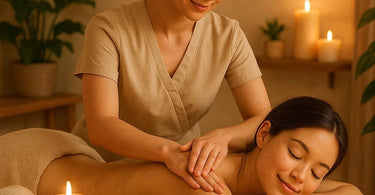
Elevate client trust with this product... or in this case, this professional massage technique that turns post-surgical scars from "ouch" to "ahhh." Let's face it, scars can be stubborn little reminders of past procedures, but with the right approach, you can help clients fade those marks both physically and emotionally. And no, we're not talking magic wands (though that would be nice)—just science-backed, hands-on skills that'll make you their skincare hero.
Whether your client has fresh post-op scars or older adhesions, a specialized scar tissue massage protocol can improve mobility, reduce discomfort, and enhance the skin's appearance. Plus, it's a fantastic add-on service for your spa body treatments. So grab your favorite massage oil, and let's dive into the step-by-step guide that'll have clients raving about their smoother, happier skin.
Why Scar Tissue Massage? (Besides Making You Look Like a Wizard)
Scar tissue forms as part of the body's natural healing process, but sometimes it gets a little... overzealous. Unlike normal tissue, scar tissue lacks the organized structure of healthy skin, which can lead to tightness, adhesions, and even restricted movement. A well-executed scar massage helps:
- Break down collagen fibers to improve flexibility
- Increase blood flow to promote healing
- Reduce raised or thickened scar appearance
- Alleviate discomfort from tight scar tissue
Just remember—timing is everything. For recent surgical scars, always get clearance from the client's doctor first (usually 2-4 weeks post-op, depending on the procedure). You wouldn't want to undo any stitches... or explain that to their surgeon.
Your Pre-Massage Checklist: Setting the Stage for Success
Before you begin, make sure you've got these essentials ready on your massage table:
- The Right Lubricant: Choose a massage oil or cream that glides smoothly without irritating healing skin. Bonus points if it contains vitamin E or other skin-nourishing ingredients.
- Comfortable Positioning: Use bolsters or pillows to support the area being worked on.
- Clean Hands and Tools: Fresh scars are vulnerable, so sanitize those hands! Consider gloves for very recent scars.
- Client Communication: Explain each step so they know what to expect—nobody likes surprise pressure on tender areas.
The Step-by-Step Scar Massage Protocol
Step 1: Warm Up the Area
Start with gentle effleurage strokes around (not directly on) the scar using your chosen lubricant. This increases circulation and prepares the tissue for deeper work. Think of it as knocking on the door before entering.
Step 2: Cross-Fiber Friction (AKA The Scar Whisperer Technique)
Using two fingers, apply firm but gentle pressure perpendicular to the scar's direction. Move slowly across the entire length of the scar. This helps reorganize those rebellious collagen fibers. For older scars, you can gradually increase pressure as tolerated.
Step 3: Circular Mobilization
Make small circles along the scar with your fingertips, focusing on any particularly thick or tight areas. Imagine you're kneading very delicate dough—enough pressure to make a difference, but not so much that you'd make Gordon Ramsay yell.
Step 4: Skin Rolling
Gently lift and roll the scar tissue between your thumb and fingers. This helps separate scar tissue from underlying structures. If the scar is very fresh or sensitive, skip this step or use extremely light pressure.
Step 5: Stretching the Scar
With the scar between two fingers, gently stretch the skin in opposite directions. Hold for a few seconds, then release. This improves elasticity and prevents the scar from "sticking" to deeper tissues.
Step 6: Cool Down
Finish with light, soothing strokes and perhaps a cool compress if the area appears reddened. Offer aftercare advice, including recommended skincare products for home use.
Pro Tips for Different Scar Types
For Keloid or Hypertrophic Scars: These raised scars require extra patience. Work slowly over time, combining massage with silicone sheets for best results.
For Atrophic Scars (indented): Focus on mobilizing the edges to encourage collagen remodeling. Pair with gentle exfoliation treatments once fully healed.
For C-Section Scars: Be mindful of potential numbness or hypersensitivity. Always check for client feedback during the session.
When to Refer Out
While scar massage is generally safe, there are times to pause:
- Open wounds or signs of infection
- Excessive pain or discomfort
- Unusual swelling or redness
- If the client experiences any numbness or tingling
When in doubt, refer back to their medical provider. Your professional judgment is just as important as your massage skills!
Turning Scars into Success Stories
By adding scar tissue massage to your service menu, you're not just offering another treatment—you're providing transformative care that can significantly impact a client's confidence and comfort. Plus, it pairs beautifully with other services like hydrodermabrasion or aromatherapy for a complete healing experience.
Now go forth and make those scars history (or at least much less noticeable)! Your clients—and their grateful skin—will thank you.
