
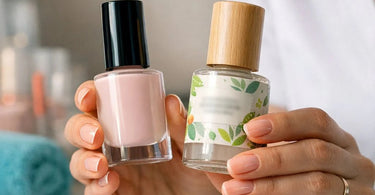
P ros love this innovation, and honestly, it’s about time we had a real conversation about it. We’re talking about the huge, sometimes confusing, world of “non-toxic” nail products. You’ve seen the labels: 3-Free, 5-Free, 10-Free, Hypoallergenic, Vegan. It can feel like you need a chemistry degree just to decipher a bottle of gel polish these days. Your clients are asking more questions, and frankly, they deserve answers that go deeper than “it’s the healthy stuff.” But let’s be real, when a client plops down in your massage chair and asks, “So, is that polish really non-toxic?” you want to sound like the knowledgeable pro you are, not like you’re reading the back of a cereal box. We’re here to decode the jargon, bust the myths, and give you the script to have those conversations with confidence and maybe even a little bit of humor. Because if we can’t laugh while navigating the wild west of beauty buzzwords, what can we laugh at?
What Does “Non-Toxic” Even Mean? (Spoiler: Not Much, Legally)
Here’s the first thing you need to know, and it’s a doozy: the term “non-toxic” on a cosmetic product isn’t regulated by the FDA . That’s right, it’s essentially a marketing term, not a scientific one. The FDA regulates cosmetics, but they don’t have a legal definition for the word “non-toxic.” It’s kind of like calling your massage table “super comfy.” It probably is, but there’s no government agency checking to make sure. So, when a product screams “NON-TOXIC!” from the label, your first reaction should be a healthy dose of skepticism and a deep dive into what they’re actually not putting in it. This is where the “-Free” system comes in, and it’s a much more honest conversation to have with your clients. Instead of promising a vague idea of safety, you can point to the specific chemicals that are left out.
The "-Free" Scale: From 3 to 21 and Beyond
The numbers game started with a few bad actors and has grown into a badge of honor for nail polish brands that are serious about ingredient safety. Here’s the breakdown of what these numbers typically mean, so you can explain it without getting tongue-tied.
The Original Troublemakers: The Big 3
The movement started with being “3-Free,” which means the polish is formulated without three of the most notoriously harsh chemicals .
- Toluene: A solvent that gives polish that smooth finish but can affect the nervous system with long-term, high-level exposure .
- Dibutyl Phthalate (DBP): Used to make polish flexible and prevent chipping, but it’s a potential reproductive toxicant .
- Formaldehyde: A known carcinogen and hardener that can also cause allergic reactions .
Once the industry tackled those three, they started looking at other potential nasties, leading to 5-Free, 7-Free, and now even 10-Free and 21-Free formulas .
- 5-Free adds: Formaldehyde Resin (different from formaldehyde, but a common allergen) and Camphor (used as a plasticizer, can be irritating).
- 7-Free often includes: Ethyl Tosylamide (a plasticizer and potential allergen) and Xylene (a solvent with similar concerns to toluene).
- 10-Free might also remove: Parabens (preservatives linked to hormone disruption), TPHP (a plasticizer found in some studies to be an endocrine disruptor), and fragrances that can hide phthalates .
Brands like butter LONDON have taken it even further, offering 21-Free formulas that skip just about every chemical you might side-eye . It’s like the clean beauty equivalent of a royal flush. When you stock these higher-free numbers in your professional nail care collection, you’re giving clients a truly premium, health-conscious option.
Beyond Polish: The Hypoallergenic Revolution in Gels and Acrylics
But it’s not just about the color. The real magic is happening in the structural products – the gels, acrylics, and builders. Many clients with sensitive nails or a history of allergic reactions have had to swear off enhancements entirely. That’s changing fast. The introduction of HEMA-free and hypoallergenic systems is a total game-changer . HEMA (Hydroxyethyl Methacrylate) is a common monomer in gel products that’s a frequent culprit in allergic contact dermatitis. Newer formulations, like The Gel Bottle Inc’s HypoFix™, are designed with next-gen bonding technology that minimizes the risk of reactions while maintaining that rock-solid, long-lasting wear . This is huge for your business. You can now safely service clients who thought they could never have gels again. You’re not just painting nails; you’re providing a solution. And don’t forget, this same attention to ingredients applies to your ingrown hair products and nail treatments for healthy nails.
The Real Deal: Manufacturing Certifications (ISO, GMP)
Okay, so the “-Free” labels tell us what’s *not* in the bottle. But how do we know the bottle itself was made with care and safety in mind? That’s where manufacturing certifications come in, and this is the kind of inside-baseball knowledge that will make you the smartest person in the room. These aren’t claims on the front of the bottle; they’re the gold standard in the back of the factory .
- ISO 22716 (Cosmetics - Good Manufacturing Practices): This is the big one. It’s an international standard that outlines the guidelines for a quality management system for the cosmetics industry. It covers everything from raw material sourcing and staff hygiene to equipment cleanliness, final product testing, and even how to handle customer complaints and product recalls . When a manufacturer follows ISO 22716, it means they have a rock-solid system in place to ensure every batch is consistent, safe, and high-quality. It’s a promise of excellence from the inside out.
- GMPC (Good Manufacturing Practice Cosmetics): Similar to ISO, GMPC is a set of regulations enforced by the FDA to ensure products are manufactured in a clean and safe environment . Seeing that a brand adheres to GMPC or ISO standards gives you, the professional, immense peace of mind. You can trust that the product you’re using wasn’t just whipped up in someone’s bathtub.
When you’re shopping for supplies, from wax strips to dipping powder systems, knowing that the brands you trust are manufactured under these conditions is a huge selling point for your business. You can confidently tell clients, “I only use brands that meet strict international manufacturing standards.”
Government Speak: EPA vs. FDA (Not the Same Thing!)
This is where it gets a little tricky, and where you can really show off your expertise. Both the EPA and the FDA have roles in regulating products you use, but they are very different. A common misconception is that the FDA “approves” cosmetics. They don’t. The FDA regulates cosmetics, but with the exception of color additives, products and ingredients do not need FDA approval before they hit the market . They can only step in if there’s a problem after it’s already being sold.
The EPA, on the other hand, gets involved with products that are classified as pesticides. In your world, that means disinfectants . When you see an EPA registration number on your disinfectant spray or wipes, it carries serious weight. It means the product’s formula and label claims have been reviewed by the EPA. The manufacturer had to provide data proving that when used as directed, the product will do what it says (kill bacteria, fungi, viruses) without posing an unreasonable risk to human health or the environment . It’s a stamp of approval that your disinfectant actually works. This is a powerful fact to share with clients, especially those who are extra cautious about hygiene. You can tell them, “We don’t just wipe things down; we use hospital-grade, EPA-registered disinfectants on all our pedicure chairs and tools.”
How to Talk to Clients: The "Script"
Now for the fun part. You’ve got the knowledge, so let’s put it into practice. Here are a few ways to weave this info into your client conversations naturally and with a touch of that requested humor.
Client: “Oh, that color is gorgeous! Is it, like, non-toxic? I’m trying to be healthier.”
You (The Pro): “Great question! You know, ‘non-toxic’ isn’t actually a regulated term, which is wild, right? It’s like calling a massage bolster ‘super squishy’ – it might be true, but it’s not an official thing. What I can tell you is that this polish is 10-Free. That means it leaves out the top 10 chemicals people worry about, like formaldehyde and toluene. We’re using the good stuff so you can have your glamour and your health, too.”
Client (with sensitive nails): “I love gels, but my nails always get so brittle and sometimes they burn! I think I’m allergic.”
You (The Pro): “Oh, I’m so glad you mentioned that. You are not alone! That burning sensation is often a reaction to an ingredient called HEMA. We actually carry a new line of professional gel polish that’s HEMA-free, specifically designed for clients just like you. It’s a hypoallergenic formula that gives you the same long wear without the ouch. Let’s give that a try – your poor nails deserve a vacation.”
Client (the hygiene buff): “Everything looks so clean here! Do you guys really sterilize everything?”
You (The Pro): “Absolutely, and I’m happy to walk you through it. We use an EPA-registered disinfectant on every surface, from this manicure table to the high-quality towels. That EPA registration number on the bottle isn’t just for show – it means the government has tested it and guarantees that it kills all the bugs it claims to kill. So you can put your feet up and relax completely.”
Conclusion: Be the Expert, Build the Trust
Navigating the world of clean nail products can feel like a part-time job, but it’s one of the most valuable investments you can make in your business. Your clients are smarter and more curious than ever. They don’t just want to look good; they want to feel good about the products and practices you use. By understanding the difference between marketing fluff and real certifications like ISO standards and EPA registration, you can confidently guide them, answer their questions, and build a level of trust that keeps them coming back. You’re not just a nail tech; you’re a trusted wellness partner. And that is a title worth more than any “non-toxic” label could ever be. So go forth, armed with knowledge and a dash of humor, and revolutionize your client conversations. And remember, for all the professional-grade, certified products that make you look like a genius, you know where to find them. We’ve got everything from Portable Massage Tables to Nail Art Supplies, and we’re always here to help you stay ahead of the curve.
)