
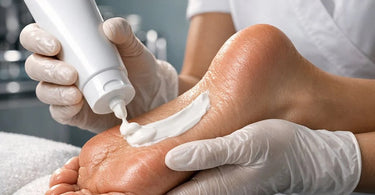
Do your best work, every time... even when that work involves tackling what I affectionately call "alligator heels." You know the ones. The heels that look like they've been trekking through the desert for a month, sporting more cracks than a dropped porcelain plate. As a professional, you see them in your pedicure chairs more often than you'd like, and while a good scrub and a layer of pretty polish can do wonders, it's often just a temporary cover-up for a deeper problem. Enter the not-so-secret weapon of elite foot care: medical-grade urea creams. This isn't your grandma's heavy, greasy lotion that just sits on top of the skin. This is serious, science-backed, results-driven skincare that transforms those cracked landscapes into smooth, touchable terrain. And for spa and salon owners, it's a golden ticket to elevating your pedicure services and boosting your retail sales with a product that genuinely works.
Let's be real for a second. Clients come to you to feel better in their skin (or, in this case, the skin on their feet). When they present you with a challenge like severe dryness and cracking, they're implicitly asking for a solution. Offering a basic buff and polish is like putting a band-aid on a broken arm. By incorporating medical-grade urea treatments into your service menu and retail offerings, you position your business as a true solutions-based destination. You're not just providing a cosmetic fix; you're offering therapeutic care. This builds immense trust and client loyalty. They get results, you get a happy, repeat client who tells all their friends about the "foot whisperer" at your salon. It's a win-win that feels as good as a warm foot massage.
Why Urea? The Science Behind the Smooth
So, what makes urea so special? Forget the icky association with its namesake; the urea used in skincare is synthetically made and is a brilliant humectant and keratolytic. In plain English? It's a moisture magnet and a gentle dissolver. Urea has a unique ability to bind water into the stratum corneum (the outermost layer of skin), providing deep, lasting hydration. More importantly, at concentrations typically found in medical-grade creams (think 20% to 40%), it softly breaks down the tough, built-up protein (keratin) in calluses and thickened skin. It doesn't just slough off the surface; it encourages the shedding of dead skin cells from within, softening the area from the inside out. This makes subsequent manual exfoliation during a pedicure with your callus removers or sugar scrubs dramatically more effective and less aggressive. It's the ultimate prep step.
Integrating Urea Creams into Your Pedicure Protocol
Transforming your pedicure from standard to spectacular is easier than you think. Here's a pro-tier protocol to wow your clients:
The "Ultimate Repair" Pedicure Add-On: Create a signature service. After the initial soak and nail care, apply a thick layer of 40% urea cream to dry, cracked areas. Wrap the feet in plastic wrap or heated booties and let it marinate for 10-15 minutes while you work on their hands or offer a relaxing scalp massage. The heat and occlusion supercharge the cream's penetration. After the time is up, remove the wrap and use a pedicure rasp or file. You'll be amazed at how easily the softened callus rolls away, revealing pink, new skin underneath without any painful scraping. Finish with a massage using a richer, maintenance-level urea lotion and, of course, their polish of choice. This service commands a premium price and delivers premium results.
The Take-Home Prescription: The service is just the beginning. The real magic happens with consistent at-home care. This is where your retail expertise shines. Don't just sell them a jar of cream; educate them. Explain that using the urea cream 1-2 times daily (especially right after a shower) will maintain the smooth results from their treatment and prevent the cracks from returning. Pair it with other spa essentials like a pumice stone or moisturizing socks. Create a small "Foot Repair Kit" for retail. When clients see and feel the immediate difference in your chair, they will be highly motivated to buy the product to keep it going.
Beyond Feet: The Versatility of Urea for Your Spa
While heels are the star patient, urea creams are versatile players in your treatment room. That same keratolytic action makes them excellent for addressing rough elbows and knees. They can be a gentle yet effective part of a treatment plan for clients with keratosis pilaris ("chicken skin"). For your facial clients, lower concentration urea formulas (5-10%) are incredible, non-irritating hydrators that can complement services like dermaplaning or microdermabrasion by ensuring beautifully hydrated, flake-free skin after exfoliation. It's a product that can cross over from your pedicure supplies station to your advanced facial treatment cart.
Stocking Your Professional Arsenal
As a B2B wholesaler, we at Pure Spa Direct understand that your success depends on the quality and efficacy of the products you use. Sourcing medical-grade urea creams means looking for professional brands that prioritize high concentrations and clean, effective formulations. These are not typically found on drugstore shelves. They are professional tools, as important as your best shears or your facial steamer. When evaluating a product, look for a high percentage of urea (20%+ for feet, 10% or lower for body/face), and a formula that includes other supportive moisturizers like ceramides or glycerin. A good professional cream should absorb well without leaving a heavy, greasy residue that sends clients sliding across your floor.
Imagine the review: "Not only did they give me the most gorgeous pedicure, but they actually FIXED my painful cracked heels in one session. I bought the cream they used and my feet have never been better!" That's the power of moving from a cosmetic service to a therapeutic one.
Final Step: Seal the Deal with Confidence
Your clients trust you with their beauty and wellness. By adding medical-grade urea treatments to your repertoire, you're deepening that trust and solving a very common, very frustrating problem. It shows you're paying attention and that you care about their comfort, not just the color of their toenails. So, stock up on these powerhouse creams, train your team on the protocol, and get ready to say goodbye to alligator heels for good. Your clients' feet (and your bottom line) will thank you. Now, go forth and soften!
Ready to upgrade your foot care game? Explore our curated selection of professional-grade treatments and tools to build your ultimate service.
