
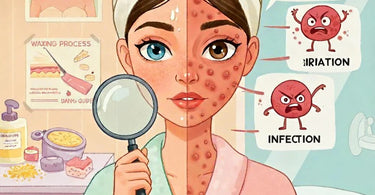
Transform treatments with this comprehensive guide to post-wax skin reactions that every professional should master. So your client just left your table with beautifully smooth skin, only to return a few days later with unexpected breakouts. Before you both panic, let's decode the mystery behind those pesky post-wax bumps. Are they simple inflammation, something more sinister like infection, or just irritation throwing a tantrum? Understanding the difference isn't just professional wisdom—it's what sets exceptional estheticians apart from the rest. Plus, knowing how to prevent and treat these reactions will keep your clients loyal and your books packed!
As waxing professionals, we know that hair removal is only half the battle—the real magic happens in how we care for skin afterward. Whether you're working with hard wax or soft strip wax, understanding skin reactions is crucial for maintaining client satisfaction and delivering exceptional service.
The Triple Threat: Inflammation, Infection, and Irritation
Let's break down the three main culprits behind post-wax breakouts. Each has distinct characteristics, causes, and treatment approaches that every skilled esthetician should recognize.
Inflammation: The Immediate Reactor
Inflammation is your skin's dramatic response to the trauma of hair removal. When you yank hair from the root, the surrounding area often becomes red, slightly swollen, and may develop small bumps. This is completely normal and usually subsides within a few hours to a day. Think of it as your skin's way of saying, "Hey, what was that for?"
This type of reaction is particularly common in sensitive areas like the bikini line and underarms. The good news? Inflammation typically responds well to simple soothing measures like cool compresses, aloe vera gel, and time. Recommending post-wax products specifically designed to calm inflammation can significantly improve your clients' experience.
Infection: The Unwanted Guest
When bacteria invade vulnerable hair follicles after waxing, infection can occur. This condition, known as folliculitis, presents as white or pus-filled bumps that may be tender or warm to the touch. Unlike simple inflammation, these bumps typically appear a day or two after waxing and may persist or worsen without proper treatment.
Infections often occur when aftercare instructions aren't followed, or when clients expose freshly waxed skin to bacteria-filled environments like pools, hot tubs, or tight clothing that traps sweat. As professionals, we can minimize this risk by maintaining impeccable sanitation practices, using professional disinfectants, and educating clients on proper aftercare.
Irritation: The Sensitive Soul
Irritation is what happens when your client's skin decides to be extra. It can manifest as redness, itching, or small bumps that resemble a rash. This reaction might be caused by the wax itself (especially if it contains potential irritants), the technique used, or the client's skin sensitivity.
Contact dermatitis, a specific type of irritation, occurs when skin reacts to products used during the waxing process. This is why patch testing new products is crucial, especially for clients with known sensitivities. Using hypoallergenic wax formulas and avoiding heavily fragmented products can significantly reduce irritation risks.
Spot the Difference: Identification Guide
Here's a quick reference table to help you distinguish between these three common reactions:
| Reaction Type | Appearance | Timeline | Sensations |
|---|---|---|---|
| Inflammation | Redness, slight swelling | Immediate, lasts hours to a day | Mild tenderness |
| Infection | White or pus-filled bumps | Develops 1-2 days post-wax | Warmth, tenderness, possible itching |
| Irritation | Red, rash-like appearance | Can be immediate or delayed | Itching, burning sensation |
Prevention: Your Best Defense
Smart prevention strategies can save your clients from discomfort and save you from those awkward "my skin is freaking out" conversations. Here's your professional prevention playbook:
Pre-Wax Preparation
Proper skin preparation sets the stage for a successful wax with minimal reactions. Gently exfoliating the area 2-3 days before waxing helps remove dead skin cells that can trap bacteria and contribute to ingrown hairs. Using a pre-wax cleanser removes oils and impurities that might interfere with wax adhesion or contribute to irritation.
For clients with sensitive skin, consider performing a patch test 24 hours before their full appointment. This simple step can prevent widespread reactions and build client confidence in your professional approach.
During Service Strategies
Your technique matters more than you might think! Always use proper stretching techniques to minimize skin trauma, and apply wax in the direction of hair growth while removing against it. Avoid going over the same area multiple times, as this significantly increases irritation risk.
Choosing the right waxing products for each client's skin type and the area being waxed is crucial. Hard wax is generally gentler on sensitive areas like the face and bikini line, while soft wax may be more efficient for larger areas like legs.
Post-Wax Protection
This is where the magic happens! Immediately after waxing, apply a soothing product containing ingredients like aloe vera, chamomile, or tea tree oil to calm inflammation. Educate your clients on what to expect and how to care for their skin in the following days.
Provide clear aftercare instructions that include wearing loose clothing, avoiding heat sources (saunas, hot baths, intense exercise) for 24-48 hours, and staying out of direct sunlight. Recommend ingrown hair products for regular use between appointments to prevent future issues.
Treatment Protocols for Professionals
When prevention falls short (because sometimes it does), knowing how to respond is crucial. Here's how to address each type of reaction:
Calming Inflammation
For immediate inflammatory responses, cool compresses are your best friend. Keep a supply of professional cooling gels or hydrocortisone cream (1% concentration or less) on hand to apply post-service. Aloe vera gel is another excellent option that most clients tolerate well.
Advise clients to avoid touching the area and to wear loose, breathable clothing for the first 24 hours. For facial waxing, recommend avoiding makeup for at least 12 hours to allow follicles to close properly.
Addressing Infection
If you suspect infection, recommend gentle cleansing with an antibacterial wash twice daily. Warm compresses can help draw out impurities and provide comfort. Over-the-counter antiseptic lotions or gels may help mild cases, but persistent or worsening infections require medical attention.
Never attempt to treat severe infections in your spa—instead, refer clients to a dermatologist or healthcare provider. This protects both your client and your professional reputation.
Soothing Irritation
For irritation reactions, identify and remove the potential trigger. This might mean switching wax types, adjusting your technique, or changing pre/post products. Soothing ingredients like colloidal oatmeal, calendula, and allantoin can help calm irritated skin.
For clients with persistent irritation issues, consider recommending a sugaring alternative, which may be gentler on sensitive skin.
When to Refer Out
As much as we'd like to handle everything ourselves, sometimes professional discretion means knowing when to refer clients to medical professionals. Seek medical guidance for clients who experience:
- Severe or spreading redness
- Fever accompanying skin symptoms
- Pus-filled bumps that worsen after 48 hours
- Significant pain or discomfort
- Symptoms that don't improve with standard care
Building Better Waxing Services
Transforming your waxing services from good to exceptional means going beyond hair removal to provide comprehensive skin care. Stock your treatment room with pre and post-waxing products designed to minimize reactions and maximize results.
Invest in ongoing education for yourself and your team about skin types, reaction patterns, and new products/techniques in the waxing world. The more knowledge you possess, the better you can serve your clients and grow your business.
Consider creating custom aftercare kits for clients to take home, including samples of recommended products and clear instructions. This not only improves results but also boosts retail sales—a win-win!
The Smooth Bottom Line
Understanding the difference between inflammation, infection, and irritation after waxing transforms how you approach client care and service delivery. By implementing preventive strategies, recognizing reaction types, and knowing how to address each concern, you position yourself as a true skin expert rather than just a hair removal technician.
Your clients trust you with their skin—honor that trust by staying educated, using quality products like those from our ItalWax collection, and always prioritizing skin health over everything else. After all, happy skin means happy clients, and happy clients mean a thriving waxing business!
