
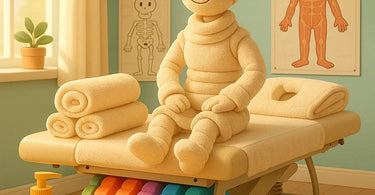
Effortless results with smarter tools... especially when those tools happen to be a chiropractic bed that moonlights as a magic wand for knotted muscles and cranky spines. Imagine a hybrid between a massage table and a Transformer—designed to adjust, elevate, and contort in ways that make clients sigh with relief (and maybe whisper "thank you" to the spa gods). These aren’t your grandma’s recliners—they’re high-tech torture devices for tension, and we mean that in the best possible way.
If you’ve ever watched a chiropractor maneuver someone like a human pretzel while they blissfully nap, you’ve witnessed the sorcery of these tables. But what exactly makes them different from your standard massage table? Buckle up, because we’re diving into the nitty-gritty of why every spa pro should consider adding one to their arsenal—or at least know how to explain them to clients who ask (usually while clutching their lower backs).
Chiropractic Beds vs. Massage Tables: The Showdown
Picture this: A portable massage table walks into a bar. It’s lightweight, cozy, and great at its job. Then a chiropractic bed struts in, all adjustable sections and hydraulic levers, and suddenly the table feels... basic. Here’s the breakdown:
- Segmented Sections: Unlike flat massage tables, chiropractic beds have movable parts (head, torso, legs) that tilt independently. Need to decompress a lumbar spine? Elevate the knees. Addressing neck tension? The headrest tilts to open up cervical vertebrae. It’s like playing surgeon with zero medical liability.
- Drop Mechanisms: Ever heard a satisfying "pop" during an adjustment? That’s the bed’s drop sections in action—tiny, controlled movements that help release joint pressure without the therapist needing Hulk strength.
- Face Cradles That Don’t Smush Noses: Because nobody wants to leave a session with waffle-face imprint. Chiropractic cradles are ergonomically designed to keep airways open (and mascara intact).
Why Spa Pros Should Care (Even If You’re Not a Chiropractor)
Sure, you might not be cracking backs like a DC, but these beds are game-changers for massage therapists and spa technicians. Here’s why:
- Deep-Tissue Domination: Adjustable angles mean better leverage for those "oh-god-yes" pressure points. Clients with sciatica? Elevate their legs. Stiff shoulders? Tilt the torso. It’s like having a cheat code for muscle knots.
- Posture-Perfecting: Combine one with aromatherapy oils and you’ve got a relaxation station that also corrects slouching. Two services in one—cha-ching!
- Client Wow Factor: Nothing says "premium experience" like a table that moves on its own. Bonus: It justifies your rates when clients realize they’re not just paying for elbow grease.
Picking the Right One (Without Breaking the Bank)
Not all chiropractic beds are created equal. Here’s what to look for:
- Weight Capacity: Because the last thing you need is a hydraulic sigh mid-session. (Most support 300-500 lbs.)
- Padding: Memory foam > cheap gym mats. Your clients’ ribcages will thank you.
- Portability: Some fold like origami; others need a forklift. Choose based on your space (and bicep strength).
Pro Tip: Pair it with heated table warmers for the ultimate "I’m melting" client experience.
The Bottom Line
Whether you’re helping clients recover from waxing-induced trauma or just trying to make your deep-tissue massages less grueling, a chiropractic bed is the unsung hero of bodywork. And hey, if anyone questions the investment, just tell them it’s basically a luxury spa furniture piece that moonlights as a pain eraser. Sold yet? We thought so.
)