
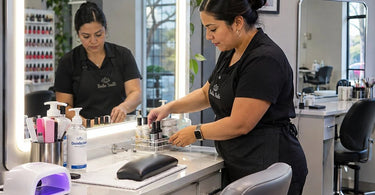
Maximize profits with this smart salon upgrade by turning an ordinary styling mirror into a workstation that works harder for your business! Replacing basic mirrors with illuminated salon stations can improve lighting for detailed services, elevate your salon's appearance, and create a more polished experience for clients. But before you fall in love with a gorgeous backlit mirror and mentally redecorate your entire salon, there are a few practical details worth investigating. From color accuracy and electrical requirements to workstation spacing and long-term maintenance, the right investment involves more than picking the prettiest rectangle on the wall.
For salon owners, an illuminated mirror is not simply a decorative accessory. It becomes part of the daily working environment, influencing how stylists evaluate hair color, how clients see their finished looks, and how efficiently each station functions. Whether you operate a busy hair salon, upscale beauty studio, or modern barbershop, understanding the differences between basic mirrors and illuminated workstations can help you make an upgrade that looks fabulous and performs just as well.
1. Start With the Real Reason You Want Illuminated Stations
Before comparing models, identify what your existing mirrors are failing to deliver. Are stylists struggling to see subtle differences in hair color? Does overhead lighting create shadows around clients' faces? Are your current stations looking dated? Or are you planning a renovation to reposition your salon in a more premium market?
These questions matter because an illuminated mirror should solve a specific problem. If lighting is your biggest concern, prioritize illumination quality and adjustability. If appearance is the motivation, consider frame design, proportions, and how the mirrors coordinate with your existing Salon & Barber Furniture.
If you are expanding your service offerings, think about whether better workstation lighting will support consultations, precision cutting, styling, or color services. A beautiful mirror can contribute to a more refined environment, but it should also earn its place in the daily operation.
2. Understand the Difference Between Decorative Lighting and Task Lighting
Here is where illuminated salon mirrors become especially interesting. Not every mirror with a glowing border provides useful working light. Some models emphasize decorative backlighting, while others provide forward-facing illumination designed to brighten the client and the stylist's working area.
Backlit mirrors often create a soft halo against the wall. This can make a salon look contemporary and sophisticated, particularly in reception areas and styling spaces. However, depending on the design, that glow may contribute very little direct light to the client's face or hair.
Front-lit mirrors direct more illumination toward the workstation. They can be particularly helpful when existing overhead lights produce uneven shadows. Integrated lighting positioned along both sides of the mirror may provide a more balanced appearance than a single bright light above the client.
Before buying, ask whether the mirror is primarily decorative, functional, or designed to provide both benefits. A halo worthy of a beauty magazine is lovely, but your stylist still needs to see what those scissors are doing.
3. Pay Attention to Color Rendering Accuracy
For professional hair salons, color rendering is one of the most important lighting specifications to consider. The Color Rendering Index, commonly abbreviated as CRI, describes how accurately a light source reproduces colors compared with a reference light source.
Higher color rendering performance can help stylists evaluate undertones, highlights, lowlights, and subtle color differences. For color-focused workstations, looking for LED lighting with a CRI of 90 or higher is a useful purchasing guideline. A higher rating may be especially desirable for studios that regularly perform complex color corrections or dimensional blonding services.
Imagine completing an elaborate color transformation, admiring the result under the mirror lights, and then watching the client discover a noticeably different shade outdoors. That is not exactly the grand reveal anyone ordered.
Quality illumination supports more reliable visual evaluation, but remember that it does not replace professional technique, consultation, or appropriate color formulation. Stylists working with Professional Hair Color should also evaluate results under consistent lighting conditions whenever possible.
4. Choose the Right Color Temperature
Color temperature affects whether lighting appears warm, neutral, or cool. It is measured in Kelvin, abbreviated as K. Warm lighting can create a cozy, flattering environment, while cooler lighting produces a crisper visual appearance.
For many styling stations, neutral-white illumination around 3500K to 4000K provides a practical starting point. Some color-focused environments may benefit from adjustable lighting that allows stylists to compare appearances under different conditions.
However, selecting the coolest and brightest option is not automatically better. Very cool lighting can make a welcoming salon feel more like an examination room. Unless your business model includes complimentary medical checkups with every blowout, that probably is not the atmosphere you intended.
Consider mirrors with adjustable color temperature when your services require flexibility. Just as important, try to maintain consistent lighting conditions between neighboring stations. Dramatically different color temperatures across the salon can make consultations and color comparisons unnecessarily confusing.
5. Evaluate Brightness and Dimming Controls
Brightness matters, but more light is not always better. An illuminated mirror that creates excessive glare can become uncomfortable for clients and distracting for stylists.
Look for manufacturers that provide useful lighting specifications, including brightness, dimming capabilities, and information about how illumination is distributed. Remember that lumens describe the amount of light produced, while lux describes illumination reaching a surface. Neither measurement alone tells the entire story about how comfortable or useful the lighting will be at a styling chair.
Dimmable illumination can be particularly valuable in salons that perform multiple services at the same workstation. A stylist may want stronger task lighting during a detailed consultation but softer lighting during a relaxing finishing service.
Check whether the mirror includes convenient controls, whether dimming is smooth, and whether settings remain consistent after the lights are switched off and back on. If you operate several stations, consider how easy it will be for staff members to adjust individual mirrors without interrupting their workflow.
6. Measure Your Existing Workstations Before Ordering
One of the easiest renovation mistakes is purchasing an attractive illuminated mirror without confirming that it fits the actual workstation. Mirrors that look perfectly proportioned in a showroom photograph can feel enormous once installed between neighboring styling chairs.
Measure the available wall width, ceiling height, station spacing, and distance between each chair and mirror. Account for countertops, tool holders, storage cabinets, electrical outlets, and any accessories already installed.
The mirror should provide an appropriate viewing area for seated clients while allowing stylists to work comfortably. Consider whether taller clients can see their finished looks and whether a reclining or adjustable chair changes the viewing angle.
Remember to check the depth of the illuminated unit. Some mirrors project farther from the wall because of integrated lighting components or mounting hardware.
When planning a complete workstation makeover, compare your mirror choices with Professional Salon Equipment and available furniture dimensions before finalizing the layout.
7. Investigate Electrical Requirements Before Installation Day
Traditional mirrors generally require secure mounting. Illuminated mirrors add another consideration: electricity.
Some models use plug-in power connections, while others are designed for hardwired installation. Depending on your existing layout, the upgrade may require additional outlets, electrical work, or changes to the wall behind the mirror.
Before purchasing, review the manufacturer's installation documentation. Confirm voltage requirements, power consumption, electrical connections, mounting instructions, and any applicable product safety certifications.
Have a qualified electrician evaluate the installation where appropriate, particularly when new wiring or hardwired connections are involved. Electrical work should comply with applicable local codes and requirements.
Also consider the placement of sinks, shampoo areas, and other moisture sources. An illuminated mirror intended for a dry styling station should not automatically be assumed suitable for a damp environment.
Electrical surprises have an uncanny ability to turn an exciting renovation into an unexpectedly expensive group project. A little planning can prevent that particular salon adventure.
8. Think About Glare, Reflections, and Client Comfort
Illuminated mirrors affect more than the person sitting directly in front of them. Their light can reflect from windows, glossy flooring, metallic surfaces, and neighboring mirrors.
Before committing to a particular design, study the salon during different parts of the day. Natural daylight may enter through front windows in the morning, while ceiling lighting becomes more dominant in the evening.
Positioning a brightly illuminated mirror directly opposite another reflective surface can create unwanted visual distractions. Some lighting designs may also produce uncomfortable reflections for clients wearing eyeglasses.
When possible, test a sample unit at realistic viewing distances. Sit in the styling chair, stand behind it, and move around the workstation to evaluate how the illumination looks from multiple angles.
Pay attention to whether the light creates harsh facial shadows, visible LED points, or reflections that interfere with detailed work. Diffused lighting may create a softer and more comfortable experience than exposed high-intensity light sources.
9. Match the Mirror Style to Your Salon's Brand Identity
Illuminated mirrors can transform the atmosphere of a salon, but they should complement the existing design rather than compete with it.
Minimalist studios may benefit from clean rectangular mirrors with integrated LED borders. Luxury salons might prefer larger statement pieces with refined framing and soft illumination. Industrial-inspired barbershops may lean toward darker frames, geometric shapes, and understated lighting.
Think about the visual relationship between mirrors, styling chairs, cabinetry, flooring, and reception furniture. Updating one element without considering the surrounding design can leave the space feeling unfinished.
For a more coordinated renovation, explore Equipment & Furniture for Spas & Salons and evaluate which finishes, dimensions, and materials suit your workspace.
One practical consideration is consistency. Matching stations can create a cohesive appearance, particularly in salons where several clients are photographed simultaneously. However, a boutique studio may intentionally use distinctive mirrors to define different service areas.
10. Consider Maintenance, Cleaning, and LED Replacement
Basic mirrors are relatively straightforward to maintain. Illuminated stations introduce electrical components, LED assemblies, switches, and potentially touch-sensitive controls.
Before buying, ask whether the lighting components are replaceable or permanently integrated. Find out what happens if a light strip fails after the warranty expires. Can a technician replace the LED component, or must the entire mirror be replaced?
Review warranty coverage, availability of replacement parts, expected service life, and the manufacturer's recommended cleaning procedures.
Daily salon operations expose surfaces to hairspray, dust, styling residue, fingerprints, and occasional splashes. Select mirrors with surfaces and finishes that can tolerate the cleaning routines required in your business.
Follow the manufacturer's instructions for cleaning mirrored surfaces and electrical controls. Avoid spraying liquids directly into lighting seams, switches, or electrical openings.
Keep suitable Professional Cleaners & Disinfectants available for appropriate salon surfaces, while ensuring that any product used on an illuminated mirror is compatible with its materials and manufacturer guidance.
11. Understand the Full Cost of Upgrading
The purchase price of an illuminated mirror is only one part of the investment. A useful budget should account for the entire project, including installation and potential downtime.
Consider the following expenses:
- Mirror purchase: The cost of each illuminated unit, including shipping and applicable delivery charges.
- Electrical work: New outlets, wiring, switches, or other required modifications.
- Wall preparation: Patching, painting, reinforcement, and mounting hardware.
- Furniture adjustments: Changes to countertops, cabinets, shelves, or styling stations.
- Installation labor: Professional mounting and electrical installation where needed.
- Operational disruption: Potential lost appointments or reduced station availability during renovations.
- Future maintenance: Replacement parts, repairs, and cleaning requirements.
Suppose a salon is considering six illuminated mirrors at an illustrative price of $450 each. That produces a mirror purchase total of $2,700 before installation, electrical modifications, or other expenses. If installation and related renovations add another $1,800, the complete project reaches $4,500.
These figures are only a hypothetical budgeting example, not actual product quotations. The purpose is to compare the complete investment rather than focusing exclusively on the mirror's advertised price.
Also consider whether an LED upgrade could reduce electricity consumption compared with existing lighting. Savings depend on the wattage and operating hours of both the old and new systems. Adding illuminated mirrors without reducing other lighting may actually increase total electricity use.
12. Decide Whether to Upgrade Every Station at Once
Replacing all your mirrors simultaneously can create a consistent visual transformation. However, a full renovation is not always the smartest approach for a busy salon.
Consider upgrading one or two stations first. A limited trial allows stylists to evaluate lighting quality, client comfort, ease of cleaning, and overall functionality before the business commits to a larger purchase.
This approach is especially useful when your team performs several different services. Hair color specialists may place different demands on lighting than barbers focused on precision cuts or stylists primarily performing blowouts.
Collect staff feedback during the trial. Ask whether the new illumination reduces shadows, improves visual comfort, or creates any unexpected distractions.
Client feedback also matters. Do guests appreciate the updated appearance? Are the lights comfortable during lengthy appointments? Do they feel the station offers a more polished experience?
A pilot installation can uncover practical issues before they multiply across an entire salon.
13. Think About Photography and Your Salon's Online Presence
Illuminated mirrors can contribute to attractive salon photographs, especially when their design complements the background and creates a visually interesting workstation.
For businesses that regularly photograph finished hairstyles, lighting consistency can be helpful. Clients may also enjoy taking photographs in front of beautifully designed stations.
However, mirror lighting alone does not guarantee accurate photographs. Camera settings, surrounding daylight, overhead fixtures, reflections, and the direction of illumination all influence the final image.
Test your normal photography setup before and after installation. Evaluate how different hair shades appear on camera and whether the LED lighting creates unwanted reflections or flicker in photographs and video.
If social media content is a major part of your marketing strategy, consider whether the lighting provides a flattering backdrop without overpowering the actual hairstyle.
The goal is to showcase your team's professional work, not have the mirror steal the spotlight from the fabulous balayage your stylist just spent three hours perfecting.
14. Explore Alternatives Before Committing to a Complete Replacement
Sometimes the primary problem is poor lighting rather than the mirrors themselves. In those situations, replacing every mirror may not be necessary.
Well-positioned LED Bright Lamps or other professional task lighting may improve visibility without requiring a major renovation.
For salons with specialized services, portable or adjustable lighting can offer additional flexibility. Consider searching for Salon Lighting, LED Salon Mirrors, and Salon Styling Stations when comparing available workstation configurations.
The right solution depends on your existing equipment, the services performed, and the appearance you want to create.
A targeted lighting upgrade may deliver meaningful functional improvements at a lower initial cost. On the other hand, if your current mirrors are worn, poorly positioned, or inconsistent with your salon's design, replacing the entire station may make more practical sense.
15. Build a Practical Purchasing Checklist
Before placing an order, evaluate each illuminated station against a consistent set of purchasing criteria. This helps prevent decisions based entirely on photographs or promotional descriptions.
- Confirm the mirror's overall dimensions and required mounting clearance.
- Check whether illumination is front-facing, backlit, or both.
- Review the LED color rendering specifications.
- Compare color temperature options and adjustable settings.
- Determine whether the brightness is appropriate for daily styling services.
- Verify electrical requirements and installation instructions.
- Evaluate glare, reflection, and comfort at realistic working distances.
- Confirm warranty terms and replacement component availability.
- Review cleaning and maintenance instructions.
- Calculate the complete installed cost for each station.
- Check whether the design coordinates with existing salon furniture.
- Consider testing one station before purchasing multiple units.
This checklist also makes it easier to compare different models without becoming distracted by decorative features that may have little practical value during daily services.
16. Will Illuminated Salon Stations Actually Increase Profits?
It is reasonable to ask whether an illuminated mirror will pay for itself. The answer depends on how the upgrade affects your operations and client experience.
Better lighting may help stylists work more comfortably and evaluate their results more consistently. Updated stations may also reinforce a premium brand image and support professional photography. However, these potential benefits do not automatically translate into higher revenue.
To evaluate the investment, establish measurable goals before renovating. You might track client satisfaction, staff feedback, service consultation quality, photography consistency, and equipment maintenance costs.
If you expect the renovation to support premium pricing, consider whether your complete service experience justifies that positioning. A new mirror alone is not a substitute for excellent service, skilled professionals, or thoughtful client care.
For financial planning, divide the total renovation cost by the additional monthly contribution profit you realistically expect the project to generate. For example, a $4,500 upgrade that produces $150 in additional monthly contribution profit would take approximately 30 months to recover its initial cost, assuming those benefits remain consistent and excluding financing costs.
That does not mean every salon should expect these results. It simply demonstrates a way to evaluate the investment using your own business numbers instead of wishful thinking and a very persuasive product photograph.
Make Your Next Salon Mirror Upgrade a Bright Decision
Upgrading from basic salon mirrors to illuminated stations can be a smart way to modernize your workspace, improve lighting conditions, and create a more refined atmosphere for both stylists and clients. The most successful upgrades balance visual appeal with everyday functionality, sensible installation costs, and manageable long-term maintenance.
Focus first on the quality of illumination, color rendering, workstation dimensions, electrical needs, and actual service requirements. Then select a design that complements your salon's personality and supports the way your professionals work.
Whether you are refreshing one styling chair or planning a complete salon makeover, Pure Spa Direct offers access to a broad selection of professional beauty supplies, salon furniture, lighting accessories, and equipment through its distribution catalog. Explore Professional Hair Salon & Barber Shop Supplies and Supplies for Salon & Spa Business Success while planning your next investment.
Because the best salon upgrades do more than look beautiful. They support your team, enhance the client experience, and help your business shine without making your renovation budget see stars.
