
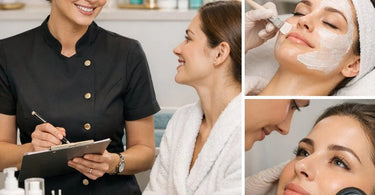
Elevate services with this essential truth: the most successful and trusted spa professionals are not just masters of relaxation; they're expert skin detectives who know their professional scope inside and out. They understand that their incredible power to soothe and beautify comes with a profound responsibility to know when a client's skin is telling a story that requires a different kind of expert. Navigating the line between what we can beautifully treat in the spa and what must be referred to a dermatologist is arguably the most crucial skill you can master. It's the cornerstone of client safety, ethical practice, and building unshakeable trust. This comprehensive guide will arm you with the knowledge to make those calls with confidence, protect your clients, and solidify your reputation as a true skin health professional. Let's start by recognizing that a dermatologist is a medical doctor with years of specialized training, while we are the masters of cosmetic and maintenance-focused skin wellnessFacial Steamers, luxurious Sugar Scrubs, and relaxing massages. Both roles are vital, and knowing how they work together is the key to exceptional client care.
Think of it as building the ultimate skin health team. You're the front-line coach providing daily training and care, while the dermatologist is the specialist surgeon called in for specific, complex plays. When you confidently and knowledgeably refer a client, you're not admitting defeat; you're demonstrating the highest level of professional care and prioritizing their well-being above everything else.
The Art and Science of Your Secret Weapon: The Skin Analysis
Before you can decide on treatment or referral, you need the full picture. A thorough, methodical skin analysis is your non-negotiable first step. It's more than a glance under a bright light; it's a systematic investigation that combines client conversation, visual observation, tactile assessment, and the smart use of technology. Your Magnifying Lights and analysis tools are like your detective's magnifying glass, revealing clues invisible to the naked eye. Skipping steps or relying on guesswork isn't just unprofessional; it risks missing serious conditions and providing inadequate care.
Start with a detailed consultation. Go beyond "What brings you in today?" Ask about their full medical history, medications, lifestyle, skincare routine, and any past reactions to treatments. This intake is critical. Once the skin is cleansed, your visual and tactile exam begins. Look for texture, hydration, oil production, and sensitivity. Use your professional Spa Tools & Implements like a Wood's Lamp to detect underlying pigmentation or bacterial activity. This disciplined process allows you to accurately identify skin types (like oily or dry) and skin conditions (like acne or rosacea), setting the stage for a safe and effective treatment plan or a smart referral.
The Red Flags: When to Put Down the Serum and Pick Up the Phone
This is where your professional vigilance becomes a client's lifeline. Certain signs are non-negotiable indicators that a client needs to see a doctor, not a spa therapist. Your role shifts from treater to trusted advisor. Here are the major red flags that demand an immediate dermatologist referral:
1. Suspicious Moles or New Growths (The ABCDE Rule)
This is the most critical referral you can make. During body treatments, waxing (especially with Soft Strip Wax), or even while draping for a facial, you have a unique view of a client's skin. If you see any mole or growth that fits the ABCDE criteria, you must gently and firmly recommend a dermatological evaluation:
- Asymmetry: One half doesn't match the other.
- Border: Irregular, scalloped, or poorly defined edges.
- Color: Varied shades of brown, black, red, white, or blue.
- Diameter: Larger than 6mm (about a pencil eraser).
- Evolving: Changing in size, shape, or color.
Any lesion that is itchy, bleeding, or won't heal also warrants a check. You could literally save a life by speaking up.
2. Severe, Cystic, or Scarring Acne
While we are absolute wizards at managing mild to moderate breakouts with treatments like High Frequency Machines and professional extractions, severe acne is a medical condition. Refer a client if their acne is characterized by deep, painful cysts or nodules, is causing scarring, or has not responded to diligent professional and over-the-counter care after several weeks. Dermatologists can prescribe oral medications (like antibiotics or isotretinoin) and stronger topical treatments that are beyond our scope.
3. Unexplained Rashes, Chronic Redness, or Intense Itching
A rash that appears suddenly, is spreading rapidly, is painful, or is accompanied by fever requires medical attention. Conditions like eczema, psoriasis, and rosacea often need medical diagnosis and prescription management (like topical steroids or immunomodulators). If a client has a known condition that is experiencing a severe "flare" unresponsive to their usual care, a dermatologist visit is needed. You can later support their management with soothing, non-irritating treatments and products like gentle Serenity Essentials.
4. Signs of Infection
Increasing redness, warmth, swelling, pus, or pain around a hair follicle after waxing (consider using our Ingrown Hair Products for prevention) or a blemish is a sign of infection. Recurring infections in the same area also need medical investigation. Don't treat these; refer out.
5. Unusual Hair Loss or Nail Changes
Sudden, patchy hair loss (alopecia areata) or significant thinning beyond normal shedding should be evaluated by a dermatologist. Similarly, nail discoloration, pitting, separation from the nail bed, or unusual growths are often signs of fungal infection or other health issues and require medical diagnosis.
The Green Lights: The Wonderful World of What You CAN Treat
Now for the fun part! Your domain is vast, beautiful, and incredibly impactful. This is where you get to shine and transform skin through your expertise. Here are the common concerns perfectly suited for the spa environment:
1. Maintenance, Hydration, and Radiant Skin Health
This is your core superpower. Customized facials using devices like Ultrasonic Facial Machines or Galvanic Machines, hydrating treatments, and teaching clients impeccable home-care routines are your bread and butter. You manage dryness, dehydration, dullness, and early signs of aging with peels, masks, and serums from lines like Tuel Skincare or Murad.
2. Mild to Moderate Acne and Congestion
For blackheads, whiteheads, and mild inflammatory acne, you are the expert. Treatments like professional Microdermabrasion, careful extractions, and acne-fighting facials using LED Light Therapy (blue light for bacteria) are highly effective. You can recommend professional-grade home care to keep skin clear.
3. Superficial Hyperpigmentation and Texture Refinement
Sun spots, post-inflammatory marks from healed acne, and rough texture are prime targets for your skills. Treatments like Dermaplaning, light chemical peels, and Hydrodermabrasion can dramatically improve skin clarity and smoothness. Remember, deeper melasma or pigment issues with an unclear cause should be seen by a dermatologist first.
4. Hair Removal and Skin Smoothing
From traditional waxing with top-tier products like ItalWax to sugaring and laser hair reduction (with proper training and certification), hair removal is a staple spa service. Couple it with Salt Scrubs for exfoliation and you have a complete body care package.
5. Relaxation, Stress Relief, and Overall Wellness
Never underestimate the power of your touch and the environment you create. Massage with Massage Oils, Lotions, and Creams, Aromatherapy, and the simple act of dedicated self-care are profound services that improve a client's overall well-being, which always reflects in their skin.
Navigating the "Grey Zone" with Professionalism
Some treatments exist in a grey area, where advanced training and extreme caution are required. These include deeper microneedling, stronger chemical peels, and certain energy-based treatments like Radio Frequency (RF) Machines or laser for non-hair-removal purposes. The key is rigorous training, proper insurance, and knowing your personal limits. If a treatment carries a risk of scarring, significant downtime, or could worsen a condition like pigmentation in darker skin tones, it is often safer performed in or with the oversight of a medical setting. When in doubt, err on the side of caution and refer to a trusted dermatologist or medical aesthetician.
How to Refer a Client with Tact and Care
Making a referral is a delicate art. Your goal is to ensure the client feels cared for, not rejected. Here's your script:
- Frame it as Teamwork: "I'm so glad you brought this to my attention. For something like this, I want to make sure you get the most effective care possible. What I'm seeing might be best evaluated by a specialist dermatologist who can provide a precise diagnosis. That way, once we have a clear plan from them, I can perfectly support your skin's health here with the right treatments and Spa Retail Products."
- Be Specific, Not Alarmist: "I've noticed this mole has an irregular border, which is one of the things dermatologists like to check out just to be safe. It's always better to be proactive with our skin health."
- Offer Support: "Would you like me to recommend a few great dermatologists in the area? I know several who work wonderfully with my clients."
This approach positions you as a knowledgeable partner in their health journey.
Building Your Dream Team of Dermatologist Referrals
Take the initiative to build professional relationships. Introduce yourself to local dermatology practices, drop off your card, and let them know about the services you offer. Express your interest in being a partner for their patients who need maintenance, relaxation, or specific cosmetic treatments like dermaplaning or hydrafacials. A strong referral network benefits everyone: the dermatologist, you, and most importantly, the client.
Conclusion: Your Power is in Your Knowledge and Ethics
The mark of a true skincare professional isn't just a flawless facial; it's the wisdom to know when not to perform one. By mastering the art of skin analysis, memorizing the red flags, and embracing your role as a crucial gatekeeper to medical care, you elevate your entire practice. You build a business rooted in trust, safety, and exceptional results. So stock your treatment room with the best from Professional Cleaners & Disinfectants to Top-Quality Equipment, but let your most valuable tool be your unwavering commitment to doing what's right for the skin in front of you. Your clients, and their skin, will thank you for it.
