
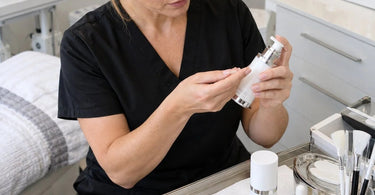
Pros choose this daily... the right Bottles & Jars can make a surprisingly big difference in how smoothly a spa treatment runs. Airless pump bottles are especially popular for professional skincare because they help dispense measured amounts of product while limiting unnecessary exposure to air. But what happens when that lovely little bottle suddenly decides it is taking a personal day? You press the pump, you press again, and absolutely nothing comes out. Before you start negotiating with an inanimate object, there are several practical reasons an airless pump bottle might stop dispensing product, and many are easier to address than you think.
For estheticians, spa owners, salon professionals, and treatment room managers, reliable dispensing is about more than convenience. A stubborn pump can interrupt a facial, waste valuable treatment time, create uncertainty about remaining inventory, and make a perfectly good skincare formula seem unusable. Understanding how these containers work can help you distinguish a temporary dispensing problem from a damaged package that needs replacement.
How Do Airless Pump Bottles Actually Work?
Despite the name, an airless pump bottle is not a magical container that eliminates every molecule of air from the universe. Its main purpose is to limit air entering the product chamber as the contents are dispensed. Many common airless designs use an internal piston or moving platform rather than the traditional dip tube found inside ordinary lotion pumps.
When the pump is pressed, the dispensing mechanism draws product into its chamber and releases it through the outlet. As product leaves the sealed reservoir, pressure differences help the internal piston gradually move upward. This keeps the remaining formula positioned for dispensing without repeatedly drawing replacement air directly into the product chamber.
Other airless packaging designs use collapsible inner pouches or different dispensing mechanisms. The precise construction matters because troubleshooting instructions for one bottle may not apply to another.
Airless packaging is especially appealing for certain professional serums, moisturizers, creams, and treatment products. Limiting air exposure can help protect formulas that are sensitive to oxidation, although actual product stability depends on the ingredients, preservatives, packaging materials, and manufacturer testing.
Professionals working with Advanced Facial Treatment Products for Salons & Spas know how important it is to keep both packaging and product performance consistent throughout the working day.
Reason 1: The Airless Pump Has Not Been Primed
One of the most common reasons an airless pump bottle appears broken is that it has not been properly primed. A brand-new dispenser may contain air inside its pump mechanism before the product reaches the outlet.
That means the first few presses may deliver absolutely nothing. The bottle is not necessarily defective. It may simply need enough pumping cycles to establish normal product flow.
Start by checking whether the pump has a locking mechanism and make sure it is fully unlocked. Hold the bottle in the orientation recommended by its manufacturer, usually upright, and press the actuator through several complete, steady strokes. Allow the pump head to return fully between presses.
Some designs require several additional strokes before the first dose appears. Others may need a specific priming procedure. Follow the instructions supplied with the actual packaging rather than assuming every airless bottle works identically.
Professional tip: If your treatment room uses newly filled dispensers, prime and test them before the first appointment. Discovering an unprimed bottle halfway through a facial is not exactly the surprise treatment upgrade your client requested.
Reason 2: Dried Product Is Blocking the Nozzle
Sometimes the problem is right at the surface. A small amount of cream, serum, or lotion may remain around the dispensing opening after use. Depending on the formula, that residue can dry, thicken, or accumulate until it partially obstructs the outlet.
This is especially worth considering when a bottle worked normally for days or weeks before the dispensing pattern became weak, crooked, inconsistent, or completely absent.
Look closely at the nozzle for visible buildup. If the manufacturer permits external cleaning, wipe the dispensing tip with a suitable clean, lint-free wipe. Avoid pushing pins, needles, or other sharp tools into the opening. They can damage internal components, introduce contamination, or alter the way the pump dispenses.
Do not soak the entire pump head or flush liquid into the mechanism unless the manufacturer specifically instructs you to do so. A procedure that works on an empty reusable dispenser may be inappropriate for a sealed, prefilled professional skincare product.
Keeping compatible Professional Cotton, Sponges, and Wipes for Salons & Spas accessible in the treatment room makes routine exterior cleanup easier.
Reason 3: The Skincare Formula Is Too Thick for the Pump
Airless pumps are not universal dispensing machines. Each design has practical limits involving viscosity, particle size, pump chamber dimensions, and the resistance encountered as product moves through the outlet.
A lightweight lotion may dispense beautifully through one pump while a dense body cream struggles in the same container. Some rich formulas simply do not move through narrow dispensing passages as readily as thinner products.
Texture can also change with temperature. A cream stored in a cool environment may become temporarily firmer, increasing the effort required to dispense it.
If a formula is too thick for its packaging, repeated pumping may produce weak output, inconsistent doses, or no output at all. The appropriate solution is to verify formula and pump compatibility, not to force the actuator harder.
Professionals who fill approved reusable containers should confirm that the dispenser is suitable for the intended formula before committing to a large packaging order. A small test using the actual finished product can reveal problems that would otherwise appear during client services.
Never dilute a professional skincare formula simply to make it pump more easily unless its manufacturer explicitly authorizes that adjustment. Adding water, oils, or other ingredients can change preservation, performance, and product safety.
Reason 4: The Internal Piston Is Stuck
In a piston-style airless bottle, the moving platform needs to travel upward as product is dispensed. If that platform becomes stuck, tilted, or otherwise unable to move normally, the pump may stop delivering product.
Manufacturing tolerances, assembly problems, filling conditions, and mechanical damage can all contribute to piston movement issues.
A bottle may appear to contain plenty of product while refusing to dispense another drop. This can be especially confusing when the container is opaque and the internal mechanism is completely hidden.
Check the manufacturer's troubleshooting instructions. Some airless packages have an approved procedure for restoring normal dispensing or releasing a stuck platform. However, do not assume the small opening sometimes visible on the bottom of an airless bottle should be poked with a tool.
On certain piston-style packages, that opening is a functional vent serving the space below the piston. Blocking or damaging it can interfere with the dispensing system.
Do not dismantle a sealed professional product, puncture its internal platform, or attempt to push the piston manually unless the packaging manufacturer explicitly authorizes that method.
If the mechanism remains stuck, replacement may be the most appropriate option.
Reason 5: The Bottle Has Lost Its Proper Seal
Airless packaging depends on correctly fitted components. If a seal, gasket, closure, or other important part is damaged or improperly assembled, the pressure changes needed for normal dispensing may be disrupted.
Possible warning signs include inconsistent pumping, visible leakage, loose components, or a sudden change in dispensing after a bottle has been dropped.
For containers filled in-house under an approved process, problems may sometimes originate during filling or assembly. An improperly seated closure or damaged sealing surface can interfere with performance from the beginning.
Inspect the exterior for cracks, leaks, or loose parts without opening the product chamber. If you suspect the package has been compromised, remove it from client use until its condition can be evaluated.
Remember that an intact seal is not just a dispensing concern. It also helps maintain the packaging conditions intended for the product. A damaged package should not be treated as acceptable merely because the cream inside still looks normal.
Reason 6: An Air Pocket Is Interrupting Dispensing
Air trapped inside the pumping pathway can sometimes cause uneven or interrupted product delivery. This may happen during initial priming, after certain filling conditions, or when a dispenser has been handled in a way that affects product positioning.
Symptoms may include a pump that produces a small amount of product, followed by several empty strokes, or an actuator that feels normal but produces inconsistent results.
Depending on the bottle design, the manufacturer may recommend additional priming or a particular orientation for restoring flow. Some products have specific procedures involving careful repositioning of the container.
However, there is no single upside-down pumping trick that works for every airless bottle. Piston systems, pouch systems, and other airless mechanisms can respond differently.
Use the procedure approved for your packaging. Avoid vigorous shaking, forceful impacts, or repeated improvised attempts to restart a dispenser, especially when it contains a valuable professional formula.
Reason 7: The Product Is Almost Empty
Sometimes the explanation is wonderfully ordinary: there simply is not enough product left for the pump to dispense reliably.
Opaque airless bottles can make remaining volume difficult to judge. A container might look exactly as full as it did when first opened, even though the internal piston has traveled almost the entire length of the reservoir.
Airless packaging may offer efficient evacuation compared with certain traditional dispensers, but it does not guarantee that every last drop can be recovered. A small amount of residual product may remain in internal passages or inaccessible areas.
For professional treatment rooms, product planning should be based on actual usage rather than container appearance alone.
Track when a container is opened, how frequently it is used, and roughly how many services it supports. That information helps establish realistic reorder points for Premium Skincare Products for Spas and Salons.
A bottle does not need to announce that it is empty five minutes before your next client arrives. Your inventory system should already have the conversation covered.
Reason 8: The Pump Head Is Locked, Damaged, or Misaligned
Not every dispensing failure originates inside the reservoir. Sometimes the actuator itself is the problem.
Some pumps include twist-to-lock heads, removable shipping locks, or other features intended to prevent accidental dispensing during transportation. A locked actuator may look perfectly normal while refusing to move properly.
Other pumps can become damaged after a fall, improper assembly, or repeated excessive force.
Check whether the head moves smoothly and returns to its original position after each press. Compare its position with the manufacturer's instructions.
If the actuator remains depressed, sits at an unusual angle, or feels mechanically broken, stop forcing it. Continued pressure could make a minor problem worse.
For reusable packaging, ask the packaging supplier whether a compatible replacement pump is available. For sealed retail or professional skincare products, contact the product supplier about the appropriate replacement process rather than attempting an unauthorized repair.
How to Troubleshoot an Airless Pump Bottle During a Busy Spa Day
When a dispenser stops working during a service, the best approach is a quick, orderly check rather than an extended battle with the bottle.
Step 1: Check the lock. Confirm that the pump is unlocked and the actuator is positioned correctly.
Step 2: Inspect the outlet. Look for visible dried product or an obvious obstruction. Clean only the external surfaces according to the manufacturer's directions.
Step 3: Try normal priming. If the package is new or has not dispensed recently, use several controlled, complete pump strokes as directed.
Step 4: Observe the mechanism. Notice whether the head moves and returns normally, stays depressed, or feels unusually resistant.
Step 5: Check the package condition. Look for leakage, cracks, or other signs of damage. Do not use visibly compromised packaging on clients.
Step 6: Consider the formula. Has the product become unusually thick, separated, discolored, or changed in odor? If there are concerns about its condition, follow the manufacturer's guidance and do not use it during a treatment.
Step 7: Switch to your approved backup. If normal dispensing cannot be restored promptly, use another suitable product rather than interrupting the appointment with an experimental bottle repair.
This simple sequence helps preserve treatment flow while keeping product handling professional and consistent.
Should You Open an Airless Pump Bottle to Get the Remaining Product?
It is tempting to unscrew, pry, or otherwise dismantle a stubborn bottle when you suspect valuable cream is still trapped inside. After all, no spa professional enjoys watching product costs disappear into packaging.
However, opening a sealed airless container may expose its contents to contamination, compromise its dispensing mechanism, or make the product unsuitable for continued professional use.
For manufacturer-filled skincare, follow the product maker's recommendations. If the package is not intended to be opened, do not transfer the remaining product into another container without authorization.
For reusable packaging specifically designed for professional refilling, follow the approved cleaning, sanitation, filling, and maintenance instructions. Compatibility with a formula does not automatically mean that a container is suitable for repeated reuse.
When selecting packaging or treatment room accessories, the Spa Essentials for Professionals collection is a useful place to explore related supplies that help support organized product handling.
How Can Spa Owners Prevent Airless Pump Problems?
Preventing dispensing problems is generally much easier than solving them with a client waiting on the treatment table.
Test new stock before scheduling it for use. Inspect containers for visible damage and follow the manufacturer's first-use instructions. A quick operational check can reveal potential problems before an appointment begins.
Store products correctly. Follow the storage conditions on the product label. Avoid excessive heat, freezing temperatures, and prolonged direct sunlight when these conditions conflict with manufacturer recommendations.
Keep dispensing tips clean. Use manufacturer-approved methods to remove external residue and replace protective caps after use.
Avoid excessive pumping force. Pressing harder does not necessarily overcome a blockage and can damage the mechanism.
Choose compatible packaging. When filling an approved bulk product into reusable dispensers, verify pump compatibility with the formula, intended dose size, and recommended filling procedure.
Use clear inventory labels. Record product identification and applicable opening, expiration, or beyond-use information according to manufacturer instructions and your facility's procedures.
Maintain backup supplies. Keep an appropriate reserve of frequently used professional skincare products so one nonfunctioning bottle does not disrupt an entire afternoon.
Organized Must-Have Supplies for Salon & Spa Business Success can support more efficient workflows, especially in treatment rooms where several professionals share the same inventory.
What Should You Look for When Choosing Airless Pump Bottles?
If your spa or salon uses approved refillable dispensing systems, choosing the right container is just as important as knowing how to troubleshoot it.
Start with the formula's characteristics. Thin serums, fluid lotions, dense creams, and products containing suspended particles may have different dispensing requirements. Ask the packaging supplier about recommended viscosity ranges and material compatibility.
Next, consider dose consistency. A pump that releases an appropriate amount per stroke can help professionals apply product with greater consistency and reduce unnecessary waste.
Container capacity also matters. Smaller bottles may fit treatment stations neatly, while larger formats may reduce the frequency of container changes where appropriate.
Look at the ease of exterior cleaning, closure security, and whether the container is intended for single filling or validated repeated use.
For professional purchasing, it can be helpful to compare Airless Pump Bottles, Lotion Pump Bottles, and other compatible dispensing options before making a decision.
Not every formula needs airless packaging. Sometimes a traditional pump, manufacturer-supplied dispenser, or another approved container is the better fit for the product and service.
Why Reliable Packaging Matters for Product Costs
A dispenser that fails occasionally may seem like a tiny operational inconvenience. Multiply that inconvenience across several treatment rooms, several products, and dozens of appointments, however, and the cost becomes easier to appreciate.
Consider a treatment product with an estimated usable cost of $1.20 per milliliter. If dispensing problems result in five milliliters of unusable product, that represents $6.00 in potential product loss. Across 20 similar incidents, the theoretical waste reaches $120.00, before considering staff time or interrupted services.
Those figures are illustrative, not a prediction for any particular formula or dispenser. Actual losses depend on product cost, packaging design, recoverable volume, and the nature of the failure.
Keeping a simple record of recurring dispensing issues can help a spa identify whether problems are linked to a particular formula, container style, shipment, or handling process.
That information is especially valuable when ordering bulk Spa Body Treatments or managing multiple professional skincare lines.
When Is It Time to Replace the Bottle Instead of Troubleshooting?
Not every airless dispensing issue has a safe, practical fix. If the pump remains inoperative after approved priming, shows mechanical damage, leaks, or appears unable to maintain normal dispensing, replacement may be appropriate.
The same applies when several containers from the same shipment develop identical problems. In that situation, document the product name, packaging type, lot or batch information when available, and the symptoms observed.
Contact the supplier with clear details. Photographs of visible damage or a brief description of the pump's behavior can make the conversation more productive.
Pure Spa Direct supplies professional spa, salon, beauty, and wellness products from a variety of manufacturers. For items purchased through Pure Spa Direct, identifying the specific product and packaging can help determine the appropriate supplier guidance or next step.
Do not continue using a product if there is reason to suspect contamination, compromised packaging, or deterioration of the formula.
Frequently Asked Questions About Airless Pump Bottles
Why is my airless pump bottle not working even though it is new?
The pump may need priming, the actuator may be locked, or the outlet may be obstructed. Follow the manufacturer's first-use instructions before assuming the container is defective.
Can an airless pump bottle stop working while product is still inside?
Yes. A stuck piston, blocked outlet, dispensing-path air pocket, damaged pump, or sealing problem can interrupt dispensing even when product remains in the reservoir.
Can thick skincare creams clog airless pumps?
Yes. Formulas that exceed a pump's intended viscosity range, contain unsuitable particles, or create excessive resistance in the dispensing pathway may deliver poorly or stop flowing.
Should I add water to a thick cream so it pumps better?
No. Do not modify a finished skincare formula without explicit manufacturer authorization. Dilution can affect preservation, stability, and intended performance.
Can I reuse an empty airless pump bottle?
Only when the specific container is designed for reuse and an appropriate validated cleaning and refilling procedure is available. Many sealed airless packages are not intended to be opened and refilled.
Does airless packaging make skincare products sterile?
No. Airless packaging can reduce certain forms of exposure during dispensing, but it does not automatically sterilize the formula or replace suitable preservation, hygienic handling, and manufacturing controls.
How do I know if my airless bottle is really empty?
That depends on the design. Some containers let you see the piston position, while opaque designs may not provide a reliable visual indication. Usage records and manufacturer-supplied dispensing expectations can help with inventory planning.
Keep Your Products Pumping and Your Treatment Room Running
Airless pump bottles can be excellent tools for professional skincare dispensing, but even a thoughtfully designed container can encounter a problem. An unprimed pump, dried product around the nozzle, formula viscosity, a stuck piston, damaged seals, or a worn actuator can all interfere with normal operation.
The key is knowing when a simple manufacturer-approved check is appropriate and when a package should be removed from service. A few thoughtful habits, including routine inspection, proper storage, compatibility testing, and backup inventory, can prevent dispensing frustrations from becoming treatment room disruptions.
Explore Bottles & Jars, Premium Skincare Products for Spas and Salons, and Spa Tools & Implements for Professionals at Pure Spa Direct to support a treatment room that runs as smoothly as your favorite serum should flow.
Because the only thing that should be giving your esthetician a workout during a facial is the massage technique, not the moisturizer pump.
