
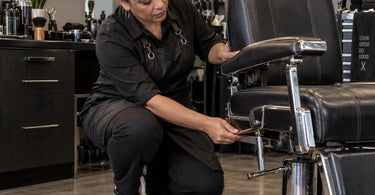
Quality you will stock again and again is the kind that keeps your barber chair feeling brand new, even after a thousand fades. Let us be real for a second: your barber chair is basically the iron throne of your shop, minus the dragons and the questionable family drama. And like any throne worth its salt, it needs a little TLC around the moving parts, or you will find yourself in a royal mess. Daily checks around the hydraulic pump, the swivel mechanism, and every little bolt and lever are not just busywork; they are the difference between a smooth, confident service and a wobbly, squeaky disaster that sends clients sprinting to the nearest competitor. You have spent good money on professional salon equipment for top stylists and barbers, so protecting that investment should be as routine as sweeping up hair at the end of the day.
Now, we know what you are thinking. I am a barber, not a mechanic. Fair point. But here is the thing: you do not need to rebuild the entire hydraulic system to keep your chair in top form. You just need to pay attention to the parts that move, because those are the parts that wear out, loosen up, and eventually stage a full-on rebellion at the worst possible moment. A chair that will not stay up during a beard trim, or one that sinks slowly while you are doing a skin fade, is not just annoying; it is a safety hazard and a credibility killer. So grab a cup of coffee, put on your best detective hat, and let us walk through why those daily checks around moving parts are the secret sauce to a happy, healthy, and wildly profitable barber chair.
The Hydraulic Pump: The Heartbeat of Your Barber Chair
Think of the hydraulic pump as the beating heart of your barber chair. When it is healthy, everything flows smoothly. When it is struggling, the entire operation falls apart. The hydraulic pump is what lets you raise and lower the chair effortlessly, putting your client at the perfect working height so you do not have to contort your body into a human pretzel just to reach the nape of the neck. But here is the catch: hydraulic systems do not fail overnight. They give you warning signs, little whispers of impending doom that most busy professionals ignore until it is too late. Daily checks around the pump and its moving parts help you catch those whispers before they turn into a scream.
One of the most common issues with barber chair hydraulics is a slow loss of pressure. You might notice the chair sinks ever so slightly during a longer service, or it takes a few extra pumps to get to the right height. These are classic symptoms of worn seals, low hydraulic fluid, or air trapped in the system. If you are not checking daily, you might not notice until a client is settled in and the chair starts its slow, embarrassing descent. Trust us, there is nothing quite as awkward as having to ask your client to stand up so you can pump the chair back up mid-haircut. A daily check means looking for fluid leaks around the base, feeling for any sponginess in the pump pedal, and listening for unusual noises when you raise and lower the chair.
For those of you who like to be proactive, keeping a small bottle of hydraulic fluid on hand and knowing how to bleed the system can save you from a major headache. But even just a quick visual inspection each morning can make a world of difference. Wipe down the pump area to remove hair and debris, which can work their way into the mechanism and cause premature wear. Operate the pump through its full range of motion a few times before your first client arrives. This simple act keeps the internal seals lubricated and helps you catch any changes in performance before they become a problem. If you notice persistent issues, it might be time to look at the quality wax warmers and other salon equipment you are using, or consider a chair with a more robust hydraulic system, like those found in the stylish salon and barber furniture collection.
The Swivel and Base: Stability That Speaks Volumes
A barber chair that swivels smoothly is a joy to work with. It lets you move around your client without constantly stepping over their legs or doing an awkward shuffle that throws off your rhythm. But that swivel mechanism is also a moving part that takes a beating every single day. Hair, dust, and product buildup can work their way into the swivel bearing, causing it to become stiff, noisy, or worse, wobbly. A wobbly chair is not just uncomfortable; it is genuinely unsafe. Imagine your client shifting their weight and the chair suddenly lurching to one side. That is a lawsuit waiting to happen, and it will absolutely tank your reputation faster than a bad dye job.
Daily checks around the swivel and base should include tightening any accessible bolts and screws. Vibration from normal use can loosen fasteners over time, and a loose base is a recipe for disaster. Check the base plate for cracks or signs of stress, especially if you have a heavier clientele. The base is what keeps the chair planted, and if it is compromised, no amount of hydraulic power will save you from a tipping incident. A quick wiggle test before you open the doors can tell you a lot. If the chair feels even slightly unstable, address it immediately. Your clients trust you with their appearance, and they trust your chair to hold them up. Do not break that trust.
For those looking to upgrade to a chair with a more reliable base, consider models like the Stylish Salon & Barber Furniture collection, which features chairs designed with heavy-duty bases and smooth swivel mechanisms. Or, if you are in the market for a complete refresh, the Professional Salon Equipment for Top Stylists and Barbers collection has everything you need to create a workspace that is both functional and fabulous. And do not forget the little things: a quality Chair Mat can protect your floors and add an extra layer of stability to your station.
The Recline Mechanism: Precision That Demands Attention
For barbers who offer shaves, beard trims, and facial services, the recline mechanism is an unsung hero. It allows you to position your client at the perfect angle for precision work, whether you are edging a beard line or applying a hot towel treatment. But like every other moving part on your chair, the recline mechanism needs regular attention. A sticky recline can turn a relaxing shave into a jarring experience, and a recline that will not stay in place is a one-way ticket to frustration town. Daily checks should include testing the recline through its full range of motion. Listen for grinding or popping sounds, which can indicate worn gears or a lack of lubrication.
If your chair has a gas spring for the recline, check for any signs of leakage or loss of resistance. Gas springs can lose their charge over time, especially if they are used heavily. If you notice the recline becoming sluggish or unable to hold its position, it might be time to replace the gas spring or have it serviced. A little bit of preventative care here can save you from a mid-service meltdown. And while you are at it, check the headrest and footrest adjustments too. These smaller moving parts are often overlooked, but they play a big role in client comfort. A headrest that slips or a footrest that collapses is just as bad as a wobbly chair in the eyes of your client.
For those who want to take their barbering game to the next level, investing in a chair with a superior recline mechanism is a game-changer. Chairs like the Continental All-Purpose Chair or the Massey All-Purpose Chair are built with heavy-duty hydraulic bases and smooth recline systems that can handle the demands of a busy shop. And if you are looking to create a truly luxurious experience, consider pairing your chair with some High-Quality Towels and a Towel Steamer for the ultimate hot towel shave. Your clients will thank you, and your chair will thank you for not subjecting it to unnecessary strain.
Daily Checks: A Simple Routine That Pays Off
So, what does a daily check actually look like? It does not need to be a lengthy, complicated process. In fact, it should take you no more than five minutes. Start by giving your chair a visual once-over. Look for any obvious signs of damage, such as cracks in the base, worn upholstery, or fluid leaks. Check that all bolts and screws are tight, paying particular attention to the base and the hydraulic pump assembly. Operate the pump through its full range of motion, listening for any unusual noises. Test the swivel and recline mechanisms, ensuring they move smoothly and hold their position. Wipe down the chair with a disinfectant that is safe for the upholstery and metal parts, paying special attention to the areas where hair and product tend to accumulate.
Make this routine a non-negotiable part of your opening or closing procedures. It might feel like a chore at first, but it will quickly become second nature. And the payoff is huge. A well-maintained chair lasts longer, performs better, and keeps your clients safe and comfortable. It also protects your investment. Barber chairs are not cheap, and replacing one prematurely because of neglect is a painful hit to your bottom line. By spending a few minutes each day checking the moving parts, you can extend the life of your chair by years. That is money in your pocket and one less thing to worry about in an already busy day.
When to Call in the Pros
While daily checks can prevent a lot of problems, there are times when you need to call in a professional. If you notice persistent hydraulic issues, such as the chair refusing to rise or sinking under weight, it is time to bring in an expert. Do not try to fix complex hydraulic problems yourself unless you have the proper training and tools. A botched repair can make the problem worse and even create a safety hazard. Similarly, if the base is cracked or the frame is bent, do not try to patch it up with duct tape and hope for the best. Replace the damaged part or the chair itself. Your clients' safety is worth far more than the cost of a new chair.
For those who prefer to handle minor maintenance themselves, keep a basic toolkit on hand with wrenches, screwdrivers, and a bottle of hydraulic fluid. But know your limits. There is no shame in calling a professional when the situation calls for it. Your job is to cut hair and make people feel great, not to become a hydraulic engineer. Focus on what you do best and let the experts handle the heavy lifting when necessary. And if you are in the market for a new chair that is built to last and designed for easy maintenance, browse the Top-Quality Equipment & Furniture for Spas & Salons collection. You will find chairs from trusted brands that are engineered to withstand the rigors of daily use while keeping your clients comfortable and your workflow smooth.
Final Thoughts: Love Your Chair, Love Your Business
Your barber chair is more than just a piece of furniture. It is the stage where you perform your craft, the seat where your clients relax and trust you with their look, and the silent partner in every great haircut, shave, and beard trim. Treating it with the respect it deserves by performing daily checks around the moving parts is not just good maintenance; it is good business. A smooth, stable, reliable chair makes your job easier, keeps your clients happy, and protects your reputation. So, take those five minutes each day. Give your chair a little love. Check the hydraulics, tighten the bolts, and listen for any strange noises. Your chair will reward you with years of faithful service, and your clients will keep coming back for the comfortable, professional experience they have come to expect. After all, a happy chair means a happy barber, and a happy barber means a thriving shop. Now go out there and make some magic happen, one smooth pump at a time.
