
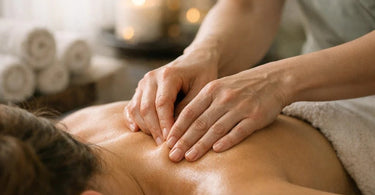
Clients rave about this pro essential: the magic hands that finally vanquish their stubborn muscle knots. That "aha" moment of release is what builds loyalty and turns a one-time visitor into a regular. But as any seasoned therapist knows, a true muscle knot—or a myofascial trigger point—isn't just a bit of tension you can casually massage away. It's a complex, self-perpetuating physiological event stuck in a painful loop. Trying to simply "rub it out" with random pressure is like trying to untangle a fishing line by pulling on it—you might just make everything tighter. For spa and salon professionals, understanding the why behind the knot is the secret weapon that transforms a standard massage into a targeted, results-driven treatment that keeps clients coming back.
So, what exactly is this pesky little bundle of discomfort your client is pointing to? Scientifically, it's a hyperirritable spot within a taut band of skeletal muscle fiber. Picture a single muscle fiber that has decided to clench up and never let go, creating a tiny, localized spasm. This contraction isn't just uncomfortable; it pinches off the local blood supply. With reduced blood flow, metabolic waste products like lactic acid build up, which further irritates the muscle fiber, telling it to clamp down even harder. This creates a vicious "pain-spasm-pain" cycle that, left unchecked, can cause deep aches, restrict movement, and even refer pain to other parts of the body. That nagging headache? It could be a knot in your shoulder. That mysterious jaw pain? Possibly a trigger point in your neck.
The Anatomy of an Annoyance: Why Knots Form in the First Place
Before you can defeat the enemy, you need to know how it recruits soldiers. Knots are rarely the result of a single dramatic event (though injury can certainly be a trigger). More often, they are the slow, creeping consequence of modern life. The top culprits read like a checklist of 21st-century woes:
- Sedentary Siege: Prolonged sitting, especially with poor posture, is public enemy number one. Hours hunched at a desk or over a phone shortens and weakens certain muscle groups while overworking others, creating the perfect biomechanical imbalance for knots to thrive.
- The Stress Grip: Emotional and psychological stress manifests physically as muscle tension. When we're anxious, we unconsciously clench our jaws, raise our shoulders, and tighten our backs. This chronic, low-level contraction is a prime breeding ground for trigger points.
- Repetitive Strain: From the stylist making the same cutting motion all day to the esthetician in a fixed position for a brow service, repetitive movements without adequate recovery can lead to muscle overuse and micro-tears, prompting the body to "splint" the area with a knot.
- Hydration & Nutrition Deficit: Muscles are like sponges; when they're dehydrated, they lose pliability and are more prone to cramping and sticking. Deficiencies in key minerals like magnesium and potassium, which aid muscle relaxation, can also increase susceptibility.
For your clients, this means their knots are often a map of their daily habits. Your job is to be the detective who reads that map.
Beyond the Rub: Professional Techniques for True Release
This is where the pro separates from the amateur. Random, general pressure might offer temporary soothing, but to actually deactivate a trigger point and break its cycle, you need strategy. It's not about using more force; it's about using smarter force. Here are the core techniques in your arsenal:
- Trigger Point Pressure Release (Ischemic Compression): This is your bread and butter. Once you've located the knot—feeling for that distinctive taut band and tender nodule—you apply direct, sustained pressure with a thumb, knuckle, or elbow. The goal isn't to cause excruciating pain, but to apply firm pressure just to the edge of the client's tolerance and hold it. As you maintain the pressure, the muscle's energy supply depletes, and it is forced to relax. You'll often feel the knot itself begin to soften or "melt" under your touch. Hold for anywhere from 30 to 90 seconds, or until you feel a palpable release.
- Deep Tissue Massage: While Swedish massage is excellent for overall relaxation, deep tissue work is your targeted knot-buster. Using slow, deep strokes and firm pressure, you work through layers of connective tissue (fascia) to reach the deeper muscle layers where stubborn knots reside. Communicate with your client throughout; it should be a "good hurt," not a white-knuckle experience.
- Myofascial Release: This technique takes a broader view. Instead of just focusing on the knot, you work on the entire fascial network that surrounds and connects the muscles. Using gentle, sustained tension and stretching on the fascia, you can help restore mobility and release restrictions that contribute to trigger point formation. Tools like TheraTools can be fantastic aids for applying this sustained pressure.
- Combine with Heat: Heat is your best friend pre-treatment. Applying a warm towel or a heating pad to the area for 15-20 minutes before the session dilates blood vessels, increases circulation, and makes the muscle tissue more pliable and receptive to your work. It's like warming up taffy before you pull it.
Equipping Your Spa for Knot-Busting Success
Your hands are your primary tools, but the right equipment elevates your practice and protects your most valuable asset—your body. Here's how to kit out your treatment room for maximum efficacy and client comfort:
- The Foundational Surface: It all starts with the table. An adjustable, well-padded massage table allows you to position your client optimally and maintain your own proper body mechanics. Consider a heated table topper for that extra layer of relaxing warmth.
- Professional-Grade Lubricants: Not all massage lotions and oils are created equal. You need a product with the right glide and absorption for deep work. Brands like BioTone and Bon Vital' offer formulations that provide traction when you need it and allow for smooth, fluid strokes.
- Tool Time: While not a replacement for skilled hands, tools can help you apply precise, fatiguing pressure. A Thera Cane or a set of trigger point balls can be used to teach clients self-care for between sessions. For a high-tech assist, consider a professional vibration massager, which can help "dissolve" knots by increasing local circulation and disrupting the spasm cycle.
- The Comfort Factor: Never underestimate the power of ambiance. Supportive massage bolsters, soft spa linens, and calming aromatherapy from a brand like ESS signal to the client's nervous system that it's safe to relax, making your manual work even more effective.
The Client Conversation: Educating for Lasting Results
The treatment doesn't end when they get off the table. In fact, your most valuable service might be the education you provide. If a client leaves with their knot released but returns two weeks later with the same issue, they haven't been given the full solution. Empower them with knowledge:
- Explain the "Why": Briefly, in simple terms, tell them what a knot is. "It's a tiny muscle cramp that's cut off its own blood supply. We just got it to let go, so let's keep it happy."
- Prescribe Hydration: Emphasize that water is non-negotiable. Muscles need hydration to flush out the metabolic waste you've just mobilized. Consider selling a chic infuser water bottle as a retail add-on.
- Demonstrate a Stretch: Teach them one or two simple, specific stretches for their problem area. For a neck knot, a gentle levator scapulae stretch. For a lower back, a knees-to-chest. Make it easy to remember and do at their desk.
- Address Ergonomics: Ask about their workspace. A simple suggestion like "try raising your monitor so your gaze is level" can prevent the knot from returning. Recommend supportive pillows for sleep.
- Suggest Retail Support: This is where your expertise meets their daily routine. A roll-on peppermint oil for cooling tension relief, a magnesium spray for nighttime muscle relaxation, or a high-density foam roller for self-myofascial release are tangible tools that extend your care beyond the spa walls.
Building a Knot-Free Business
Mastering muscle knots does more than just help your clients; it builds your business. It positions you as a knowledgeable therapist who delivers tangible, lasting results. It increases treatment plan compliance, boosts retail sales of supportive products, and generates powerful word-of-mouth referrals. People don't just want to feel pampered; they want to feel fixed.
So stock your shelves with the right creams and oils, invest in the quality equipment that supports your work, and arm yourself with the knowledge that a knot isn't a mystery—it's a puzzle you are expertly trained to solve. Because in the end, you're not just rubbing out a knot; you're teaching a muscle how to behave, and that's a service worth its weight in gold (or should we say, in released tension).
