
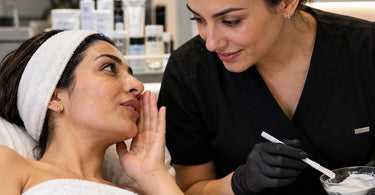
Your journey to excellence starts now... and apparently, it starts at a volume just above a whisper. Have you ever noticed how clients walk into a beautifully designed spa and immediately lower their voices, even though nobody has asked them to be quiet? One minute, they are chatting enthusiastically about their weekend, and the next, they are speaking as though they have entered a library where the books are receiving facials. This curious little behavior reveals something fascinating about professional spa environments: the atmosphere communicates expectations long before a receptionist says a word. For spa owners, estheticians, massage therapists, and wellness professionals, understanding why clients whisper can help create a more comfortable, welcoming, and memorable experience.
The interesting part? That spontaneous whisper is not necessarily about rules, luxury, or even relaxation. It is often a response to subtle environmental cues that tell guests what kind of behavior feels appropriate. Lighting, music, furnishings, staff communication, and the sounds coming from neighboring treatment rooms all help establish those expectations. Sometimes, your spa is giving guests a very clear message without saying anything at all.
Why Clients Whisper in a Spa Even When Nobody Asked Them To
People naturally adjust their behavior to match their surroundings. Walk into a lively restaurant and you probably speak at a conversational volume. Enter a quiet museum gallery and your voice may become softer. Step into a peaceful spa with gentle lighting, comfortable seating, and soothing music, and that same instinct often takes over.
This process can be understood as a response to social and environmental cues. Guests notice how staff members speak, how other clients behave, and how the room sounds. Without consciously analyzing any of those details, they begin adjusting their own behavior.
A spa that feels calm encourages quieter conversation because visitors assume maintaining that calm is part of the experience. Nobody needs to hang a giant SILENCE PLEASE sign above the reception desk. In fact, a sign that aggressive would probably ruin the mood.
For spa professionals, this means the environment acts as an unofficial host. Before clients experience a facial, massage, waxing service, or body treatment, they are already forming impressions about the kind of experience your business provides.
The Power of Environmental Cues in Spa Design
Imagine two reception areas. The first has bright overhead lighting, hard flooring, a television playing loudly, and staff members calling across the room. The second features warm lighting, comfortable seating, soft background music, and employees speaking in calm, welcoming voices.
Both spaces could offer excellent treatments, but they communicate very different expectations.
The second environment suggests that slowing down is acceptable. Guests may instinctively soften their voices, move less hurriedly, and put away their phones because the setting feels different from the busy world outside.
Several design elements contribute to this effect:
- Lighting: Soft, appropriately placed lighting can make reception areas and treatment rooms feel less stimulating.
- Music: Gentle, consistent background sound helps establish a relaxed atmosphere without demanding attention.
- Furniture: Comfortable, thoughtfully arranged seating encourages guests to settle in rather than remain in an alert, hurried state.
- Textures: Soft upholstery, rugs, curtains, and quality linens can create visual warmth while helping reduce certain sound reflections.
- Staff behavior: Calm, confident communication demonstrates the atmosphere guests are invited to enjoy.
Thoughtfully selected Reception Furniture and Luxury Spa Furniture can support the overall experience. The goal is not to make every spa look identical. It is to create an environment that communicates your particular brand of hospitality consistently.
Clients Often Follow the Social Rules Nobody Explained
Every environment has informal expectations. Nobody needs to explain that cheering during a championship game is different from cheering during a massage appointment. Most people understand the distinction immediately.
Spas have their own unwritten rules, and clients frequently learn them through observation.
If the receptionist greets everyone in a gentle voice, guests may respond similarly. If another client is relaxing quietly in the lounge, newcomers often avoid interrupting. If staff members move calmly between rooms, visitors may naturally slow their pace.
This behavior is especially interesting because clients are not necessarily trying to obey a specific rule. They may simply be matching the atmosphere around them.
However, not every guest interprets quietness the same way. Some view silence as a wonderful invitation to relax. Others may feel uncertain about whether they are permitted to speak, ask questions, or laugh.
That distinction matters. A relaxing spa should feel welcoming, not like a fancy museum where everyone is terrified of touching the furniture.
Why Whispering Can Be a Sign of Respect
Many guests lower their voices because they recognize that other people are receiving treatments nearby.
A client waiting for an eyebrow wax may notice a closed massage room door. Another guest might hear relaxing music coming from the hallway. Without being instructed, both may decide that quieter conversation is considerate.
This is particularly relevant in spas offering multiple services simultaneously. A lively conversation near the reception desk can sometimes carry into rooms where guests are enjoying treatments intended to be peaceful.
Sound management is therefore an important part of professional hospitality. The objective is not necessarily complete silence. Instead, it is creating enough separation between activity areas that one client's experience does not interfere with another's.
Thoughtful room placement, properly fitted doors, soft furnishings, and appropriate background audio can all help.
For treatment rooms, comfortable Salon & Spa Bedding and High-Quality Towels contribute to the overall sense of care and comfort. While linens alone do not provide meaningful room-to-room sound isolation, they help establish the polished, restful environment clients expect.
The Surprising Difference Between Quiet and Awkwardly Silent
Here is where spa atmosphere gets interesting: a completely silent room does not automatically feel relaxing.
Imagine a reception area with no music, no gentle background activity, and absolutely no sound except the occasional squeak of someone's chair. Suddenly, every cough, zipper, and stomach growl becomes an event.
Congratulations. You have accidentally created a room where everyone is afraid to unwrap a mint.
Some clients whisper because silence makes ordinary conversation feel unusually loud. They may not be feeling especially peaceful. They may simply be concerned that everyone else can hear them.
Soft, unobtrusive background music can make the environment feel more natural and comfortable. Carefully chosen soundscapes may also make intermittent noises less noticeable.
However, music is not a substitute for actual privacy. If conversations from a neighboring room are clearly audible, increasing the volume of the spa playlist is unlikely to solve the underlying problem.
For professional spa operators, the best approach combines appropriate ambient sound with practical acoustic planning.
Why Spa Staff Set the Tone Before the First Treatment
One of the strongest influences on guest behavior is the behavior of employees.
Picture a receptionist welcoming a client with an enthusiastic greeting delivered at full outdoor barbecue volume. There is nothing inherently wrong with enthusiasm, but it may seem disconnected from an otherwise tranquil environment.
Now imagine the same employee smiling warmly, greeting the guest clearly, and speaking at a comfortable conversational level. The welcome still feels friendly, but it matches the surroundings.
Clients often respond to that subtle difference.
Train your team to recognize the appropriate communication style for different areas of the business. A busy retail counter may naturally involve more conversation than a relaxation lounge. A waxing room requires clear explanations and regular check-ins. A massage room might benefit from minimal conversation once the client is comfortable.
The goal is not to make employees whisper all day. That would be exhausting, difficult to understand, and potentially frustrating for clients with hearing difficulties.
Instead, encourage staff to use a calm, natural voice while remaining attentive and easy to hear.
Consistency matters more than artificial softness. Clients should feel that the staff is relaxed and professional, not auditioning to narrate a bedtime meditation.
Whispering Is Not Always a Sign That Someone Feels Comfortable
Although quiet voices often indicate that guests are responding positively to a peaceful atmosphere, they can occasionally reveal uncertainty.
A first-time spa visitor may not understand the etiquette. Should they speak during their facial? Is asking for a temperature adjustment considered disruptive? Can they tell the massage therapist that the pressure is uncomfortable?
Some clients become so focused on being polite that they hesitate to communicate important preferences.
This is a significant consideration for service professionals.
Clients should never feel that maintaining silence is more important than discussing their comfort, treatment preferences, or concerns.
A simple invitation can make a substantial difference: Let your provider know anytime you would like an adjustment or have a question.
During massage services, clients should feel comfortable discussing pressure, positioning, and temperature. During facials, they should be encouraged to mention irritation or discomfort. During waxing, clients should know they can request a pause or discuss their skin sensitivity.
Professionals using Professional Massage & Wellness Products, Advanced Facial Treatment Products, or Waxing Supplies for Professionals can reinforce client confidence through clear explanations and thoughtful service protocols.
Real relaxation includes knowing that speaking up is always welcome.
How Background Music Influences the Spa Experience
Music is one of the most recognizable elements of spa ambiance, and for good reason. A thoughtfully selected soundtrack can help establish the emotional character of a room.
Slow, unobtrusive instrumental music, gentle natural soundscapes, and consistent ambient audio are common choices for relaxation-oriented spaces.
However, the right music depends on the service, clientele, and brand.
A luxury massage studio may prefer understated instrumental selections. A contemporary facial bar might use a slightly more upbeat but still comfortable playlist. A nail salon offering social group appointments may deliberately create a livelier environment.
There is no universal spa soundtrack that works for every business.
Volume deserves particular attention. Music should be audible enough to contribute to the atmosphere without competing with staff instructions or client conversation.
Check the sound level from different positions in the room. Speakers placed directly above treatment tables or reception chairs may create uncomfortable listening conditions even when the overall system seems reasonably quiet.
Also remember that background audio should complement privacy measures rather than replace them. Sound masking can reduce how clearly distant conversations are understood, but it does not make treatment discussions confidential.
Small Noises Can Disrupt a Beautiful Spa Atmosphere
Sometimes, the greatest threats to tranquility are not conversations. They are everyday operational noises that employees stop noticing after hearing them repeatedly.
Consider the sounds that might occur during a typical afternoon:
- A rolling supply cart rattling across tile flooring.
- A treatment room door closing with an unexpected bang.
- A staff member calling down the hallway for additional supplies.
- A towel cabinet or warmer being opened and closed repeatedly.
- A phone notification interrupting an otherwise quiet treatment.
- Equipment buzzing loudly during an adjacent service.
- Reception conversations traveling into the relaxation lounge.
Each individual sound may seem minor, but the combined experience can undermine the calm atmosphere your team worked to create.
Consider how equipment placement and daily workflows influence noise levels. Conveniently positioned Towel Steamers and organized Spa Storage Carts can help employees access supplies efficiently without unnecessary trips through guest areas.
Regular equipment maintenance matters, too. Loose wheels, vibrating panels, and poorly maintained moving components can create avoidable noise.
Of course, a professional spa will never be completely silent. The objective is to minimize disruptive sounds without making everyday operations impractical.
Designing Treatment Rooms That Feel Peaceful and Private
Treatment room design can significantly influence whether clients feel comfortable speaking naturally.
A room may look beautiful but still offer inadequate acoustic privacy. Thin partitions, gaps beneath doors, and shared ceiling spaces can allow conversations to travel between treatment areas.
This is particularly important when clients discuss personal skincare concerns, medical history relevant to a service, or treatment preferences.
For new construction and major renovations, consult qualified design and acoustic professionals about sound isolation, door seals, ventilation noise, and the placement of treatment rooms.
For existing businesses, a few practical improvements may help:
- Inspect doors for unnecessary gaps and closing noises.
- Move reception conversations away from treatment room entrances when practical.
- Use suitable soft furnishings to reduce excessive reverberation.
- Position speakers so sound is distributed comfortably.
- Keep noisy equipment away from relaxation areas when possible.
- Establish quiet operational procedures for staff corridors.
Well-selected Top Quality Massage Tables Chairs for Relaxation & Wellness, Massage Bolsters, and Massage Table Warmers & Toppers can further support physical comfort during treatments.
Physical comfort and acoustic comfort are separate considerations, but together they influence how easily a guest settles into the experience.
Why Scent, Lighting, and Touch Reinforce the Quiet Atmosphere
Guests do not experience spa sound in isolation. Their impression of the environment develops through several senses simultaneously.
When a room looks peaceful, feels comfortable, and sounds gentle, those details reinforce one another.
For example, a softly illuminated massage room with fresh linens, comfortable bolsters, and unobtrusive music communicates a different mood from a bright, bustling reception area.
Professionals can explore Aromatherapy Supplies when scent is appropriate for their clientele and services. However, fragrance should always be used thoughtfully. Some clients are sensitive to strong aromas, and a fragrance-free option can make the environment more inclusive.
Similarly, lighting should feel comfortable without compromising safety or treatment precision.
Facial specialists may need bright task lighting for detailed work, while surrounding lighting can remain softer. Adjustable Magnifying Lights help estheticians maintain visibility when appropriate without requiring an entire room to resemble a brightly lit operating suite.
The most successful atmosphere balances relaxation with the practical demands of professional services.
Should Every Spa Encourage Whispering?
Not necessarily, and this is where understanding your business model becomes essential.
Different spa environments serve different purposes.
A destination wellness retreat may intentionally emphasize quiet reflection. A medical spa may prioritize calm professionalism and clear communication. A bustling nail salon might encourage friendly conversation and social interaction. A day spa offering bridal packages may need designated spaces where groups can enjoy themselves without disrupting quieter appointments.
Trying to impose the same sound expectations throughout every area of a business can create unnecessary friction.
Instead, consider creating distinct conversation zones.
Reception and retail: Friendly, natural conversation should feel welcome.
Relaxation lounge: Soft conversation or quiet rest may be encouraged, depending on the experience you offer.
Treatment rooms: Conversation should follow client preferences and clinical or service needs.
Social service areas: A more conversational atmosphere may be entirely appropriate.
These distinctions help guests understand the environment without feeling scolded for enjoying themselves.
After all, laughter is not a spa emergency. Sometimes it is simply two friends having a wonderful afternoon.
How to Tell Whether Your Spa Is Too Quiet
A space that encourages whispering is not automatically delivering a better client experience.
Watch for signs that the atmosphere may feel excessively restrictive.
Do guests hesitate before asking questions? Do first-time visitors seem unsure where to sit or whether conversation is permitted? Can everyone hear a receptionist discussing appointment details from across the room? Does a brief sound seem startling because the background is unnaturally silent?
These observations can reveal opportunities to improve your guest experience.
Ask clients about their preferences using simple, neutral questions. For example, you might ask whether they found the treatment room comfortably quiet or whether they would prefer softer background music.
Also consider accessibility. Guests with hearing difficulties may struggle to understand staff members who speak too softly. Make it standard practice to use a clear conversational voice when explaining instructions, reviewing treatment plans, and confirming client needs.
A welcoming spa should never make people choose between participating comfortably and respecting the atmosphere.
A Practical Spa Sound Audit Your Team Can Perform
Understanding how clients respond to your space becomes easier when you experience the business from their perspective.
Choose a typical operating day and walk through the spa as though you were visiting for the first time.
Step 1: Start outside the entrance. Notice what guests hear before they enter. Can they hear equipment, traffic, staff conversations, or music?
Step 2: Sit in reception. Listen to the relationship between background audio and employee conversations. Consider whether the room feels welcoming or uncomfortably silent.
Step 3: Visit the relaxation area. Evaluate whether neighboring activities interrupt the atmosphere. Pay attention to doors, carts, and hallway traffic.
Step 4: Check treatment rooms. With appropriate staff assistance and without involving confidential client conversations, assess how much ordinary hallway noise is audible when doors are closed.
Step 5: Observe busy periods. A spa that feels peaceful before opening may sound very different during a fully booked afternoon.
Step 6: Ask employees for feedback. Team members often know exactly which cart rattles, which door slams, and which hallway amplifies every conversation.
Step 7: Create an improvement list. Separate low-cost operational adjustments from changes that require professional acoustic or construction work.
Repeat the audit periodically, particularly after moving furniture, adding equipment, changing music systems, or modifying treatment schedules.
Small improvements can make the guest experience feel more consistent without requiring a complete spa renovation.
Professional Spa Supplies That Support a More Comfortable Experience
Atmosphere is shaped by design and service habits, but dependable supplies help professionals maintain a polished environment throughout the day.
Fresh linens, comfortable treatment furniture, organized workstations, and reliable equipment all reduce the little interruptions that can make a spa feel hectic.
For massage professionals, carefully chosen Massage Oils, Lotions, and Creams for Therapists support smooth service delivery. Estheticians can maintain orderly treatment areas with appropriate Spa Tools & Implements for Professionals. Wellness businesses can explore the Serenity Essentials collection for products suited to relaxation-focused settings.
At Pure Spa Direct, we understand that professional spa operators need supplies that fit both the practical demands of daily appointments and the atmosphere they want guests to experience. As a distributor of professional spa, salon, massage, and beauty supplies, we help businesses explore products from established manufacturers and brands.
Whether you are refreshing a treatment room, expanding your service menu, or organizing a more efficient workspace, the right professional supplies can support your team's ability to deliver consistent service.
And sometimes, the most valuable improvement is not a new purchase at all. It is noticing that the storage cart sounds like a runaway shopping cart every time someone rolls it past the massage rooms.
The Real Goal Is Comfort, Not Complete Silence
So why do clients whisper in a spa even when nobody asked them to? Often, it is because the environment communicates calm, consideration, and a different pace from everyday life. Guests respond to the space, the behavior of staff members, and the expectations they associate with spa experiences.
That instinctive whisper can be a useful sign that your atmosphere is influencing behavior. But it should never become the ultimate measure of success.
A truly welcoming spa allows clients to relax, laugh when appropriate, ask questions, communicate discomfort, and enjoy treatments without worrying that they are breaking an invisible rule.
For spa owners and service professionals, the opportunity is to create an environment where tranquility feels natural rather than enforced. Thoughtful sound management, comfortable furnishings, attentive communication, and dependable professional supplies all contribute to that experience.
Because the best compliment is not necessarily hearing a guest whisper. It is hearing a client say, in whatever voice feels comfortable, that they cannot wait to come back.
