
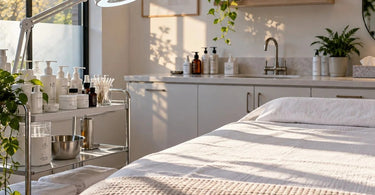
Pros trust this for lasting results, and that includes the fresh, welcoming atmosphere clients expect when they enter a professional treatment room. But have you ever unlocked your spa in the morning, opened a perfectly clean treatment room, and wondered why it suddenly smells like yesterday's facial, a damp towel, and a mysterious guest who definitely did not have an appointment? You are not imagining things, and your cleaning team might not be responsible. Empty treatment rooms can develop noticeably different odors overnight because of changes in ventilation, humidity, temperature, product evaporation, and the way fabrics and surfaces retain scents.
For estheticians, massage therapists, waxing specialists, and spa owners, understanding these overnight odor changes is about more than making a room smell pretty. It is about maintaining a comfortable professional environment, protecting supplies, identifying maintenance concerns, and delivering a consistently pleasant client experience. The good news? Most routine morning odor problems can be investigated with a practical checklist before you consider replacing furniture or purchasing seventeen lavender diffusers.
Why Does an Empty Spa Treatment Room Smell Different Overnight?
During a busy treatment day, doors open frequently, employees move between rooms, ventilation systems operate, and treatment products are applied, removed, or cleaned away. All that activity influences how odors move through the space.
After closing, the environment changes. Doors remain shut, air movement may decrease, and heating or cooling equipment may operate on a reduced schedule. Meanwhile, fragrances, residual moisture, and odors from furnishings can continue entering the air.
By morning, the room may contain a more noticeable concentration of certain scents than it did while employees were actively working. Sometimes the odor is perfectly ordinary. Other times, it signals something worth investigating.
The important distinction is whether the smell is mild and temporary or persistent, unusual, irritating, or associated with dampness or maintenance problems.
1. Reduced Overnight Ventilation Allows Odors to Accumulate
One of the most common reasons treatment rooms smell different in the morning is reduced overnight air exchange.
Commercial heating, ventilation, and air conditioning systems may operate on schedules that lower airflow or outdoor-air intake when a building is unoccupied. This can be an appropriate building-management strategy, but it can also allow odors from products, furnishings, cleaning materials, and adjacent areas to become more noticeable.
Imagine a facial room where aromatic products, massage lotions, disinfectants, and cleaning supplies were used throughout the previous day. Even when surfaces are cleaned and containers are closed, residual odors may remain. If the room receives less fresh air overnight, those scents can become more concentrated.
What spa professionals can do: Ask the building manager or qualified HVAC contractor to verify that the ventilation system operates according to the building's occupancy requirements and applicable ventilation standards. Confirm that vents are unobstructed and that the system receives its scheduled maintenance.
Where appropriate, arrange for ventilation to resume before employees and clients arrive. Simply circulating indoor air is not necessarily the same as supplying outdoor air, so the ventilation strategy matters.
Never disable required ventilation or block supply and return vents to save energy.
2. Damp Towels and Linens Can Create a Musty Morning Surprise
Few spa supplies work harder than towels, sheets, blankets, and treatment-table coverings. Unfortunately, textiles also absorb moisture and odors.
A towel that feels almost dry at closing can remain damp enough to develop an unpleasant smell in an enclosed hamper or poorly ventilated cabinet. Used linens may contain residual massage oils, lotions, perspiration, or treatment products that contribute additional odors.
Soft furnishings can also retain moisture after humid services or intensive cleaning.
When the treatment room remains closed overnight, these smells can become especially noticeable the next morning.
Professional prevention tips:
- Remove used linens from treatment rooms promptly after services.
- Keep damp textiles separate from clean, dry inventory.
- Launder used towels and bedding according to fabric-care instructions and applicable sanitation requirements.
- Dry freshly laundered linens completely before folding and storing them.
- Inspect laundry hampers, shelving, and cabinets for trapped moisture.
- Clean reusable hampers and containers on an appropriate schedule.
Maintaining an organized supply of High-Quality Towels and Salon & Spa Bedding helps professionals rotate inventory and maintain clean, comfortable treatment spaces.
Remember that clean linens should smell clean, not like yesterday's eucalyptus body wrap decided to move in permanently.
3. Humidity Changes Can Make Ordinary Odors More Noticeable
Humidity plays an important role in treatment-room air quality.
Facial steaming, hydrotherapy, warm towels, body treatments, and routine cleaning introduce moisture into spa environments. Moisture can also enter through building leaks, poorly controlled HVAC systems, or humid outdoor air.
If humidity remains elevated overnight, damp materials may develop musty odors. Persistent moisture can also create conditions favorable for microbial growth.
The solution is not to eliminate all moisture from the room. Appropriate humidity supports comfort, while excessive humidity can create building-maintenance and indoor-air-quality concerns.
Practical humidity checks: Use a reliable indoor humidity monitor to identify patterns. A relative humidity range around 30% to 50% is a useful general indoor-air-quality target, although appropriate operating conditions depend on the building, climate, and equipment.
Inspect areas behind cabinets, under sinks, around windows, near plumbing, and beneath treatment equipment for condensation or water intrusion.
Professionals offering services with Facial Steamers or Towel Steamers should follow equipment cleaning, draining, drying, and maintenance instructions carefully.
If persistent musty odors appear alongside visible mold, water damage, or continuing dampness, investigate and correct the moisture source. Fragrance products cannot solve a moisture problem.
4. Massage Oils, Lotions, and Aromatherapy Products Can Leave Lingering Scents
Massage and facial treatment rooms contain a fascinating collection of aromatic ingredients.
Essential oils, massage creams, body scrubs, skincare products, and aromatic treatment preparations all contribute to the sensory experience. However, their scents can linger in textiles, furnishings, containers, and the surrounding air after services end.
Even relatively subtle fragrances can become noticeable when several products are used throughout the day.
For example, a treatment room may feature citrus aromatherapy during one appointment, a botanical massage lotion during another, and a richly scented body treatment later that afternoon. The following morning, the combined fragrance may smell quite different from any individual product.
Think of it as an accidental fragrance collaboration that nobody approved.
Helpful adjustments: Close product containers securely, clean spills promptly, and store supplies according to manufacturer directions. Avoid leaving aromatic preparations or oil-soaked materials exposed overnight.
Keep an organized selection of Massage Oils, Lotions, and Creams for Therapists and Aromatherapy Supplies in appropriate storage locations rather than leaving multiple open products around treatment stations.
Also remember that fragrance-free and lightly scented service options may benefit clients who prefer minimal fragrance.
5. Cleaning and Disinfecting Products Can Produce Lingering Chemical Odors
Professional sanitation is essential in spa and salon settings, but the cleaning process itself can contribute to morning odors.
Some cleaning agents and disinfectants have recognizable scents. Depending on the product, surface, application method, ventilation, and storage conditions, residual odors may remain after closing.
A strong chemical smell should never be interpreted as proof that a treatment room is exceptionally clean.
In fact, the scent may indicate that product containers were left open, chemicals were used incorrectly, ventilation was inadequate, or cleaning materials were stored improperly.
Better professional practices include:
- Use appropriate Professional Cleaners & Disinfectants for Salons and Spas according to label directions.
- Follow required dilution instructions and contact times.
- Maintain appropriate ventilation during cleaning and use.
- Store cleaning products securely in their properly labeled containers.
- Remove contaminated disposable materials and cleaning waste appropriately.
- Never mix disinfectants, bleach, ammonia, or other cleaning chemicals unless the manufacturer explicitly instructs you to do so.
For hazardous workplace chemicals, consult the applicable safety data sheets and ensure employees understand required handling precautions.
If a chemical odor is unusually strong or causes irritation, do not simply spray something pleasant over it. Restrict use of the affected space until the cause is identified and appropriate safety measures are taken.
6. Treatment Tables and Upholstery Can Hold Onto Yesterday's Services
Even when a treatment table looks spotless, materials around it may retain odors.
Upholstery, foam padding, fabric covers, bolsters, curtains, and cushions can absorb small amounts of moisture or aromatic residues over time. Cracked or damaged upholstery may be particularly difficult to clean effectively.
Repeated exposure to oils and lotions can also leave residues that require attention.
Professionals should inspect treatment furniture regularly for damaged surfaces, trapped moisture, residue buildup, and persistent odors.
Use cleaning products compatible with the furniture manufacturer's recommendations. Some upholstery materials can be damaged by harsh cleaners, excessive moisture, or incompatible disinfectants.
For additional protection and easier turnover between appointments, consider appropriate Hygienic Table Paper for Waxing, Spa & Massage Tables and washable coverings suited to the service.
Explore Massage Tables and Chairs and Massage Bolsters when maintaining or replacing treatment-room furnishings.
If furniture has persistent odors that cannot be removed safely, evaluate whether the affected components need professional attention or replacement.
7. Floor Drains, Plumbing, and Nearby Rooms May Be Responsible
Sometimes the treatment room is innocent. The smell may originate somewhere else entirely.
Odors can travel through open doors, corridors, ceiling cavities, plumbing pathways, and building air-pressure differences.
A treatment room located near a restroom, laundry area, utility closet, floor drain, or service sink may occasionally receive odors from those spaces.
Infrequently used plumbing fixtures can also develop problems when drain traps lose their water seals. Plumbing blockages, leaks, and other drainage issues may produce unpleasant smells.
If the morning odor resembles sewage, sulfur, or stagnant water, investigate the building systems rather than assuming a room fragrance will solve it.
Have qualified maintenance personnel inspect suspicious plumbing conditions. If an odor resembles natural gas or another potentially hazardous release, leave the affected area and follow the utility provider's emergency instructions.
Helpful observation: Record whether the smell is strongest near the doorway, floor, sink, cabinet, or ventilation opening. This information can help maintenance professionals narrow down the source.
8. Overnight Temperature Changes Affect How Scents Are Released
Temperature can influence how quickly certain substances evaporate and release odors.
When a treatment room becomes warmer, some fragrance ingredients and other volatile compounds may enter the air more readily. Cooler conditions can change the balance of scents that remain noticeable.
This helps explain why a room may smell different when the HVAC system resumes operation or sunlight warms the space in the morning.
It also explains why odors from oils, waxes, cosmetics, and cleaning products may behave differently across seasons.
Store temperature-sensitive products according to manufacturer recommendations and avoid unnecessary heat exposure.
Professionals using Professional Wax Warmers for Salons & Spas should follow safe shutdown, storage, and maintenance procedures. Never leave warming equipment operating unattended unless its manufacturer explicitly permits the intended operation and all applicable safety requirements are met.
How to Identify the Source of a Morning Treatment Room Odor
Rather than guessing, use a repeatable troubleshooting process.
Step 1: Identify the odor. Is it musty, sour, chemical, oily, floral, smoky, sewage-like, or simply stale? Different odor characteristics suggest different potential sources.
Step 2: Check the timing. Does the smell appear only after the room has been closed overnight? Does it disappear after ventilation resumes? Does it return during particular services?
Step 3: Compare rooms. If one room smells unusual while neighboring rooms remain normal, inspect that room's supplies, furnishings, plumbing, and ventilation conditions.
Step 4: Inspect moisture-prone areas. Look for damp towels, wet cabinet interiors, condensation, leaking fixtures, and materials that have not dried properly.
Step 5: Review product storage. Check whether oils, disinfectants, cosmetics, waxing products, and waste containers were properly closed or removed.
Step 6: Document recurring patterns. Note the date, location, odor description, recent services, and relevant maintenance conditions.
Step 7: Escalate persistent concerns. Contact qualified building maintenance, HVAC, plumbing, or indoor-environment professionals when routine housekeeping does not resolve the problem.
A simple odor log can save hours of detective work, especially when multiple employees open and close the same room.
A Practical Opening Checklist for Spa Treatment Rooms
Build a brief air-quality and room-condition check into your morning opening procedure. The goal is to recognize unusual conditions before the first client arrives.
- Inspect the room: Look for visible moisture, spills, leaks, unusual residue, and damaged materials.
- Notice unusual odors: Record strong or persistent smells rather than immediately covering them.
- Verify ventilation: Confirm that the room's scheduled ventilation and climate-control systems are operating appropriately.
- Check linens: Make sure clean towels and bedding are fully dry and stored separately from used textiles.
- Inspect treatment supplies: Confirm that containers are sealed and products are stored correctly.
- Check waste containers: Verify that used materials were removed or stored safely according to workplace procedures.
- Inspect equipment: Look for water remaining where it should have been drained and check for unusual equipment odors.
- Address concerns: Report anything that suggests chemical exposure, moisture damage, unsafe equipment, or a building-system problem.
Organized Spa Essentials for Professionals, Professional Cotton, Sponges, and Wipes, and appropriate cleaning supplies can support a smooth opening routine.
The checklist should complement, not replace, required cleaning and disinfection between clients.
Should You Use Essential Oils or Air Fresheners to Fix the Smell?
A pleasant fragrance can contribute to a relaxing spa environment, but fragrance is not a substitute for clean air.
If a room smells musty because of moisture, a diffuser does not remove that moisture. If disinfectant vapors are accumulating because of inadequate ventilation, adding fragrance does not correct the exposure problem.
Fragrance products may also bother clients or employees with sensitivities, asthma, or certain respiratory conditions.
If your business incorporates aromatherapy, use it intentionally, follow product and equipment instructions, consider client preferences, and maintain appropriate ventilation.
Offer fragrance-free treatment options when practical. Clean, comfortable air should always be the foundation of the treatment experience.
A diffuser is wonderful for ambiance. It is considerably less qualified to work as the building's HVAC technician.
How to Prevent Morning Odors With a Better Closing Routine
The easiest morning odor problem to manage is often the one your team prevents the previous evening.
Establish a consistent closing procedure for each treatment room that reflects the services performed and the equipment used.
Before leaving:
- Remove used towels, sheets, disposable treatment materials, and appropriate waste.
- Clean and disinfect surfaces and reusable equipment as required.
- Allow cleaned surfaces and equipment to dry according to product instructions.
- Empty and maintain water-containing equipment as directed by its manufacturer.
- Close and store skincare, massage, waxing, and cleaning products securely.
- Check cabinets, sinks, hampers, and treatment tables for dampness.
- Follow equipment shutdown procedures.
- Confirm that required overnight building ventilation and climate-control settings remain in place.
- Report leaks, persistent odors, damaged furnishings, or unusual equipment conditions.
Assign responsibilities clearly so opening and closing duties do not become a daily guessing game.
A written checklist also makes onboarding easier when new estheticians, massage therapists, or front-desk employees join the team.
When Does a Morning Odor Require Professional Attention?
Not every temporary change in room scent indicates a serious problem. However, some odors deserve immediate attention.
Investigate persistent mustiness, visible mold, repeated condensation, unusual chemical smells, sewage odors, or odors that become stronger over time.
Also investigate concerns that affect employees or clients, including burning eyes, headaches, coughing, dizziness, or respiratory irritation associated with a particular room.
A burning or electrical smell may indicate an equipment or electrical problem. Stop using suspicious equipment and contact qualified personnel.
If you suspect a gas leak, hazardous chemical release, or other immediate danger, evacuate as appropriate and contact the relevant emergency service or utility provider.
Do not rely on your sense of smell to determine whether indoor air is safe. Some hazardous contaminants have little or no detectable odor, and some harmless odors can be quite strong.
Persistent problems deserve investigation based on the actual source, applicable safety requirements, and professional guidance.
Why Fresh Treatment Rooms Matter to the Client Experience
Clients notice details immediately upon entering a spa treatment room.
The condition of the linens, lighting, cleanliness, temperature, privacy, and overall atmosphere influence how comfortable they feel before a service begins.
An unexpected stale or musty odor can create uncertainty, even when the room looks immaculate.
Conversely, a room that feels fresh, organized, and professionally maintained can help establish confidence in the service environment.
For spa owners and managers, this is another reason to treat air quality as part of daily operations rather than an occasional housekeeping concern.
Consistent maintenance supports employees as well. A comfortable work environment is especially important for professionals who spend long shifts in treatment rooms.
Build a Treatment Room That Is Ready Before the First Appointment
Morning odors usually have an explanation. Reduced ventilation, damp linens, residual product fragrances, cleaning chemicals, changing humidity, furnishings, and nearby building systems can all influence how an empty room smells overnight.
The smartest approach is to identify the source, maintain appropriate ventilation, manage moisture, store products correctly, and establish dependable opening and closing procedures.
For professionals reviewing their room setup, Pure Spa Direct provides access to a broad selection of wholesale spa, salon, massage, and sanitation supplies. Explore Must-Have Supplies for Salon & Spa Business Success, Professional Massage & Wellness Products, and Spa & Salon Equipment and Furniture when planning maintenance, replenishment, or treatment-room improvements.
Pure Spa Direct distributes professional products from numerous manufacturers, allowing businesses to evaluate supplies appropriate for their services and operational needs.
Ultimately, the best treatment-room fragrance is not necessarily lavender, eucalyptus, or a complicated blend with an exotic name. It is the quiet confidence that comes from a clean, dry, properly ventilated, well-maintained space.
Give those treatment rooms a thoughtful evening routine, and they will have a much better chance of greeting your team pleasantly in the morning. After all, the first appointment of the day should begin with a welcoming environment, not an unexpected game of Guess That Smell.
