
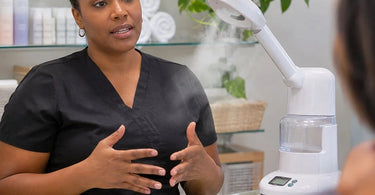
Elevate your results today... by solving one of those mysterious treatment room moments that can make even an experienced esthetician question everything: why does facial steam suddenly feel too hot when nobody has touched the machine setting? Your trusty facial steamer was perfectly comfortable yesterday, the controls are exactly where you left them, and now your client is giving you that unmistakable look that says their relaxing facial is starting to resemble a tropical weather emergency. Before you blame the equipment, the thermostat, or Mercury being in retrograde, there are several practical explanations worth investigating. Steam comfort depends on more than a control setting, and understanding those variables can help professional estheticians deliver safer, more consistent facial treatments.
Facial steamers are familiar fixtures in professional treatment rooms, but familiar equipment still deserves careful attention. The temperature and sensation of steam reaching a client can change because of nozzle positioning, distance, airflow, moisture concentration, skin sensitivity, equipment condition, and treatment timing. The important distinction is that a machine operating at the same setting does not guarantee an identical experience at the skin.
Why the Same Facial Steamer Setting Can Feel Completely Different
Many professional facial steamers work by heating water to produce vapor that travels through an arm and nozzle toward the treatment area. Depending on the model, controls may govern operating time, steam output, or additional functions rather than providing a precise measurement of the temperature reaching the client's face.
That means a familiar dial position is not necessarily a reliable measurement of client comfort. The steam cools and mixes with surrounding air as it travels, while the moisture it deposits on the skin contributes to the sensation of warmth. Small changes in the treatment environment can therefore create noticeable differences in how the same equipment feels.
Think of it like standing near a warm shower. Move closer to the spray, change the direction of the water, or close the bathroom door, and the experience changes even when the faucet remains untouched. Facial steam behaves differently from shower water, but the principle is similar: the conditions between the source and the person matter.
1. The Steam Nozzle Is Closer Than You Realize
One of the first things to investigate is the distance between the steamer nozzle and the client's face. A difference of just a few inches can significantly affect the warmth and moisture reaching the skin.
Steam leaving the nozzle is hot. As it travels through room air, it mixes with cooler air and changes in temperature and concentration. When the nozzle is positioned too close, the steam has less opportunity to disperse before reaching the treatment area.
The tricky part? The nozzle may not have moved intentionally. A rolling steamer can shift while the treatment bed is adjusted. An articulated arm might settle into a slightly different position. The client may raise their head on a pillow or move closer while getting comfortable.
Professional steamer manufacturers frequently specify minimum distances between the nozzle and the treatment area. Some models recommend approximately 12 to 18 inches, but the correct distance depends on the specific machine. Always follow the manufacturer's instructions rather than treating a general measurement as a universal rule.
Before every steaming session, confirm the actual nozzle-to-face distance after the client is positioned. Do not assume yesterday's equipment arrangement is still correct today.
2. The Steam Is Hitting a Different Part of the Face
Distance matters, but direction can be equally important. A nozzle aimed directly at the center of the face may deliver a more concentrated stream of warm vapor than one angled according to the manufacturer's recommended positioning.
Small adjustments can change where moisture collects and how much heat reaches sensitive areas around the nose, cheeks, and eyes. A client who previously felt a gentle wash of warmth may suddenly experience an uncomfortable blast if the nozzle is pointing more directly toward the skin.
Check the angle of the steam arm, the client's head position, and whether the output is directed toward an especially sensitive facial area. Follow the manufacturer's recommended orientation and keep steam away from the eyes and airway whenever necessary for safe, comfortable treatment.
Position the nozzle away from the client during initial startup and wait for a steady, normal steam flow before beginning the treatment. Never test the temperature by placing your face or hand directly in front of the nozzle.
3. The Treatment Room Temperature or Airflow Has Changed
Your facial room has its own little climate, and sometimes that climate decides to become the third participant in the appointment.
Air conditioning, ventilation, open doors, fans, and room temperature can influence how steam disperses. A cooler room may allow the vapor plume to lose heat differently than a warmer room. Moving air can redirect steam, making the flow less predictable or concentrating it in an unexpected location.
Suppose the treatment bed was moved away from an air vent, or a fan that normally circulates room air was switched off. The plume reaching the client could behave differently even though the machine operates exactly as before.
It is also important to consider airflow from nearby equipment and whether the treatment area has become unusually enclosed. Heavy linens, unusual positioning, or a tight arrangement of equipment can affect the immediate environment around the client's face.
Review what has changed in the room since the previous appointment. Keep air circulation comfortable, avoid aiming strong drafts through the steam plume, and make sure surrounding fabrics or equipment do not trap or redirect hot vapor toward the client.
4. The Client's Skin Is More Sensitive Today
Sometimes the steamer is functioning normally, but the client's skin is not responding the way it did during a previous visit.
Skin sensitivity can fluctuate because of recent exfoliation, topical products, environmental exposure, irritation, or underlying skin conditions. A client using a retinoid or exfoliating acid may report different sensations than someone whose skin has not recently been exposed to potentially irritating ingredients.
Clients experiencing rosacea, active inflammation, sunburn, compromised skin barriers, or unusual heat sensitivity may find warm facial steam particularly uncomfortable. Certain medications, skin treatments, and medical conditions can also affect tolerance.
Ask about recent skincare changes during the consultation, particularly when someone reports that an otherwise familiar service suddenly feels different. Do not assume that previous tolerance guarantees future tolerance.
If the client's skin appears unusually red, irritated, or uncomfortable, discontinue steaming and reassess whether the service is appropriate. Steam is optional in many facial protocols, and skipping it is often preferable to pushing through discomfort. A client's skin does not need to prove its commitment to the spa experience.
5. The Water Level Is Incorrect
Water level is another important detail that can be overlooked during a busy service day. Professional steamers generally have specified minimum and maximum water levels, and operating outside those limits can affect performance and safety.
Overfilling may cause certain steamers to spit or discharge hot water droplets. An insufficient water level can interfere with normal operation or activate protective mechanisms. Both conditions deserve attention, especially if the machine has started behaving differently.
Hot droplets are particularly concerning because liquid water can deliver concentrated heat to the skin and create a burn risk. What a client describes as steam feeling too hot may actually involve intermittent droplets rather than a consistent vapor stream.
Inspect the reservoir level before each service, following the manufacturer's instructions. Never refill an operating machine or add cold water to a hot glass reservoir unless the manufacturer explicitly permits that procedure.
Use the type of water specified for the exact model. Many professional facial steamers require distilled water to reduce mineral deposits, although some designs have different water requirements. The machine manual, not a general spa rule, should determine what goes into the reservoir.
6. Mineral Buildup Is Affecting the Steam Flow
Mineral deposits are sneaky. They can accumulate gradually, especially when equipment is operated with water containing dissolved minerals. Over time, scale can affect heating surfaces, steam passages, and the consistency of the output.
A partially obstructed nozzle or steam passage may produce an unusual flow pattern, intermittent sputtering, or uneven output. These symptoms can make a machine seem hotter or less predictable even if the control setting has not changed.
This does not mean mineral buildup necessarily raises the temperature of the steam. The more accurate concern is that buildup can interfere with normal operation and create inconsistent delivery or unexpected hot-water discharge.
Look for visible deposits around accessible components, changes in steam output, unusual noises, or a longer-than-normal startup period. If any of these symptoms appear, stop using the machine until the problem is evaluated.
Clean and descale only according to the manufacturer's instructions. Some models permit specific vinegar-based cleaning procedures, while others prohibit introducing cleaning solutions into the reservoir. Never assume a descaling method suitable for one brand is safe for every steamer.
For professional facilities using multiple machines, consider maintaining a simple equipment log that records cleaning dates, operating concerns, and completed service.
7. The Steamer Has Not Reached a Stable Operating Flow
Initial startup is another point where conditions may differ from the familiar treatment routine. Some steamers require several minutes to heat the water and establish a steady output.
During that transition, vapor flow may be inconsistent, and certain units can produce condensation or intermittent droplets. Directing an unstable flow toward a client's face is not a good way to discover whether the machine is ready.
Follow the startup sequence specified in the manual. Keep the nozzle directed away from the client until steam production is steady and normal. If the machine continues to sputter, surge, or behave unexpectedly after the usual startup period, discontinue use and investigate.
Professional treatment timing should begin when conditions are appropriate for safe client exposure, not simply because the steamer was switched on several minutes earlier.
8. Condensation or Hot Water Droplets Are Being Mistaken for Excessive Heat
One of the most important distinctions in facial steamer troubleshooting is the difference between a warm vapor plume and the discharge of hot liquid droplets.
Steam can condense as it travels through cooler parts of the equipment or surrounding air. Some condensation is normal, but visible dripping, spitting, or sudden bursts of hot water from the nozzle are not conditions to ignore.
A client may describe this as a sharp, excessively hot sensation rather than recognizing that droplets are contacting the skin. Because hot water can cause burns, an abnormal discharge warrants immediate attention.
Turn off the steamer, move the steam source away safely, and allow the unit to cool according to its operating instructions. Check water level, reservoir placement, accessible steam pathways, and the manufacturer's troubleshooting guidance before considering further use.
Do not attempt to clear a blockage by putting your fingers near an active nozzle, dismantling pressurized or heated components, or improvising adjustments while the machine is operating.
9. Other Facial Products or Treatment Steps Have Changed
A facial rarely consists of steam alone. Cleansers, exfoliating preparations, masks, extraction procedures, and other steps influence how a client experiences warmth and moisture.
If the treatment sequence has changed, the client's skin may be more reactive when steaming begins. For example, steaming after a potentially irritating exfoliation step may feel different from steaming earlier in the service, even when the same steamer is used.
Review whether the facial protocol includes new products, different application times, or additional exfoliation. Consider whether the manufacturer's directions for those products recommend avoiding heat or steam.
Professional facial treatment products should be selected and used according to their intended protocols. More treatment steps do not automatically mean better results, especially when several steps can increase skin sensitivity.
Keep the client's skin condition and the compatibility of each service component at the center of treatment planning.
10. The Equipment May Need Professional Service
If the steam feels substantially hotter than normal, the output changes unexpectedly, or the machine behaves inconsistently despite correct setup, do not dismiss the possibility of an equipment malfunction.
Depending on the model, problems involving thermostatic controls, heating elements, sensors, internal steam pathways, or electrical components may require evaluation by a qualified technician or manufacturer-authorized service provider.
Warning signs include unusual overheating, burning odors, leaking water near electrical components, damaged wiring, repeated shutoffs, or irregular steam discharge.
Discontinue use immediately if these symptoms occur. Unplug the equipment when it is safe to do so, allow it to cool, and follow the manufacturer-approved service process.
Replacement components should match the machine's specific model and manufacturer requirements. Facilities reviewing available spa equipment replacement parts should confirm compatibility before purchasing. Never install an improvised substitute simply because it appears to fit.
What Should an Esthetician Do When a Client Says the Steam Is Too Hot?
The correct response is immediate, calm, and focused on client safety. A complaint about excessive heat should never be brushed off as normal or dismissed because the control setting has not changed.
First, stop directing steam toward the client. Switch off the machine or safely move the steam source away according to the manufacturer's instructions. Do not continue exposure while trying to decide whether the sensation is serious.
Second, assess the client's comfort and skin. Ask whether they experienced burning, stinging, or a sudden hot droplet. Inspect for concerning redness or visible injury without rubbing or applying additional potentially irritating products.
Third, respond appropriately to suspected injury. If a burn is suspected, provide appropriate first aid, including cooling the affected skin with cool running water when practical, and seek medical evaluation as warranted. Avoid ice, oils, and unnecessary cosmetic treatments on a burn. Burns involving the face or eyes deserve prompt medical attention.
Fourth, remove questionable equipment from service. An unusual temperature complaint accompanied by sputtering, erratic operation, or any sign of malfunction should trigger inspection before the next appointment.
Finally, document what happened. Record the client feedback, treatment circumstances, observed symptoms, and actions taken in accordance with your facility's procedures.
A thoughtful, professional response protects the client and supports trust. Nobody expects spa equipment to be magical, but clients absolutely expect their concerns to be taken seriously.
How to Make Facial Steam More Consistent Between Clients
Consistency starts with a repeatable setup routine. Rather than relying on a familiar knob position, build a brief pre-service check into every facial treatment.
Confirm equipment placement. Position the steamer on a stable surface and make sure the stand, wheels, and articulated arm are secure. Check that the nozzle will remain at the manufacturer-recommended distance throughout the treatment.
Inspect the reservoir. Verify that the correct water is being used, the level is within the specified range, and the container is properly installed. Look for visible damage or leaks.
Check steam behavior before client exposure. Confirm that startup occurs normally, the output is steady, and the nozzle is not producing unusual droplets.
Review client-specific considerations. Ask about recent skin irritation, exfoliating products, sensitivity, and any changes since the previous appointment. Adjust or omit steaming when appropriate.
Monitor comfort throughout the service. Ask for feedback early instead of waiting until a client becomes uncomfortable. A quick question about whether the warmth feels pleasant can prevent a small concern from becoming a bigger one.
Follow maintenance intervals. Clean, inspect, and service equipment according to the manufacturer's recommendations. Keep basic records when several team members share the same devices.
These small habits help prevent the classic treatment room mystery in which everybody swears they left the machine exactly as they found it.
Should Every Professional Facial Include Steam?
Not necessarily. Although facial steaming is common in traditional esthetic services, it is not a mandatory component of every professional facial.
Steam is often incorporated to provide warmth and moisture and to help soften surface debris before selected cleansing or extraction procedures. However, the suitability of steaming depends on the client's skin, the treatment goals, and the products or modalities being used.
Excessive heat is not an indicator of treatment effectiveness. More steam does not automatically produce better cleansing, easier extractions, or superior skin results.
For clients who are sensitive to warmth, an esthetician may consider alternative preparation methods appropriate to the treatment. Gentle cleansing, manufacturer-approved softening products, or other suitable professional protocols may provide a better experience without requiring steam.
Facilities can explore professional skincare products and spa tools and implements to support treatments tailored to different skin needs.
The goal is not to make every client tolerate the same routine. The goal is to choose a routine that makes sense for the individual receiving the service.
When Is It Time to Replace a Facial Steamer?
Routine maintenance can extend the useful life of professional equipment, but there comes a point when repeated performance problems deserve a replacement discussion.
Consider the machine's age, service history, availability of manufacturer-approved parts, cost of repair, and whether it can still operate reliably according to its specifications.
If the manufacturer no longer supports the unit, required safety components are unavailable, or a qualified technician determines that repairs are impractical, replacement may be the responsible choice.
When reviewing new professional facial steamers, compare more than appearance and price. Look at stability, adjustable positioning, water requirements, reservoir capacity, serviceability, safety mechanisms, warranty support, and the ease of keeping the equipment clean.
Some businesses may prefer a standalone steamer, while others may benefit from multifunction equipment depending on treatment room space and the services offered. The broader selection of advanced spa equipment can help owners evaluate configurations that suit their daily workflow.
Pure Spa Direct supplies professional spa and salon equipment from manufacturers serving the beauty and wellness industry. As a distributor rather than the equipment manufacturer, we encourage professionals to follow the specific manufacturer's operating, maintenance, and safety instructions for every device.
Frequently Asked Questions About Facial Steam Feeling Too Hot
Can facial steam become hotter without changing the temperature control?
The sensation at the skin can change even when the control setting remains the same. Nozzle distance, direction, airflow, moisture delivery, and skin sensitivity can all contribute. An actual equipment malfunction is also possible and should be investigated when operation becomes abnormal.
Does moving a facial steamer a few inches really matter?
Yes. Distance affects how vapor mixes with surrounding air before reaching the client. Always follow the minimum clearance and positioning instructions for the specific equipment.
Can mineral buildup make a facial steamer feel too hot?
Mineral deposits can interfere with normal steam flow, contribute to obstructions, or create inconsistent performance. They do not necessarily increase steam temperature, but they can produce conditions that feel unusually hot or unsafe.
Why does a facial steamer spit hot water?
Depending on the machine, possible causes include an incorrect water level, condensation, blocked passages, or other operating problems. Stop using equipment that releases unexpected hot droplets and consult its troubleshooting instructions.
Should an esthetician reduce steam time if a client complains about heat?
Stop exposure first and assess the concern. Shortening the treatment is not a substitute for correcting unsafe positioning, identifying equipment problems, or recognizing a client who should not receive steam. It may be appropriate to omit steam entirely.
How often should a professional facial steamer be cleaned?
Follow the manufacturer's cleaning and descaling schedule. Maintenance frequency can vary with the model and intensity of use. Never introduce vinegar, oils, fragrances, or cleaning chemicals into the reservoir unless the manufacturer specifically authorizes them.
The Bottom Line: Consistent Steam Starts With More Than a Dial
When facial steam suddenly feels too hot, the explanation may be as simple as a nozzle positioned too close, a change in room airflow, or a client whose skin is more sensitive than usual. It may also involve water level problems, mineral buildup, hot droplets, or equipment that needs professional attention.
The key is to recognize that a setting describes what the machine has been told to do, not necessarily what the client experiences. Safe, comfortable facial steaming requires correct positioning, thoughtful treatment planning, routine maintenance, and continuous attention to client feedback.
For spa owners and estheticians, a dependable treatment room is built on equipment that performs consistently and professionals who know when to make adjustments. Explore the selection of facial steamers, professional spa equipment and furniture, and spa essentials available through Pure Spa Direct to support a well-equipped professional environment.
Because the only thing that should be unexpectedly hot during a facial appointment is the conversation about your client's fabulous weekend plans, not the steam aimed at their face.
