
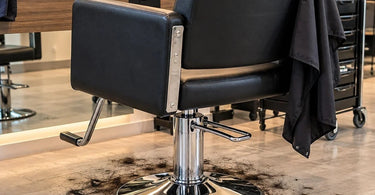
Clients notice the upgrade... especially when they settle into a beautiful styling chair, admire the gorgeous salon decor, and feel like they have entered their own little beauty sanctuary. But there is one tiny detail that can ruin the illusion faster than an unexpected bang trim: a fuzzy collection of hair clippings hugging the chair base. Seriously, how does so much hair end up in that exact spot? You sweep, you tidy, you turn around, and suddenly the chair looks like it has grown its own little wig. Understanding why hair collects around styling chair bases can help salon owners, hairstylists, and barbers maintain cleaner stations, reduce unnecessary cleanup time, and keep their professional spaces looking fabulous from top to bottom.
Hair accumulation around styling chairs is not necessarily a sign of careless cleaning. It is often the predictable result of chair design, airflow, static electricity, floor texture, and the simple physics of falling hair. In a busy salon, those factors work together throughout the day, creating stubborn little piles in places that seem determined to avoid the broom. Fortunately, a few smart adjustments to your equipment, cleaning routine, and station layout can make a noticeable difference.
Why Hair Collects Around Styling Chair Bases in the First Place
Every haircut sends dozens, hundreds, or thousands of tiny hair fragments toward the floor, depending on the service. Gravity brings them down, but it does not guarantee that they land in one convenient pile. Hair strands are lightweight, flexible, and easily moved by air currents. Some fall straight down, others drift outward, and many settle against whatever obstacle happens to be nearby.
The styling chair base is particularly good at becoming that obstacle. Whether your salon uses a round pedestal, square hydraulic base, or another commercial chair design, the base occupies a large section of floor directly beneath the haircutting area. As hair falls, the base interrupts its path and creates an edge where clippings can accumulate.
Think of it as a tiny traffic jam for hair. The strands arrive from every direction, find the chair base blocking their route, and decide that apparently this is where everyone is parking today.
The Shape of the Chair Base Creates a Hair Trap
One of the biggest reasons hair collects around styling chairs is the shape of the base itself. Many salon and barber furniture designs feature broad, flat bases that provide essential stability while maintaining a polished appearance. Their low profiles look elegant, but the outer edges can become natural gathering points for loose clippings.
Round bases are especially noticeable because hair can collect along the curved perimeter, forming an almost perfect little ring. Square bases have their own challenges. Clippings may settle near the corners, where a quick sweeping motion does not always reach effectively.
Some bases have raised lips, beveled edges, decorative seams, or narrow spaces around their hydraulic mechanisms. These details can capture short hair fragments that might otherwise slide across the floor. A base that looks wonderfully sleek from standing height can contain surprisingly effective hiding places when viewed from the perspective of a half-inch hair clipping.
This does not mean one chair-base shape is automatically better than another. Stability, construction quality, hydraulic performance, and cleaning access all matter. The smartest choice is a chair that supports your services while allowing staff to clean around its edges without performing a daily gymnastics routine.
Airflow Quietly Pushes Hair Toward the Chair
Hair does not always stay where it lands. Air conditioning, heating vents, blow dryers, ceiling fans, and even people walking through the salon can move loose clippings across the floor. The lighter and shorter the fragments, the easier they may be to displace.
As air moves across the floor, the chair base creates an obstruction. Clippings carried along by small drafts can slow down and settle near that obstruction. Airflow around furniture can be complicated, so the exact pattern varies with the room layout, ventilation, and chair design.
A stylist using a professional hair dryer may unknowingly send previously fallen clippings toward the base. Meanwhile, air from a nearby vent can gently redistribute hair that was swept into an open area just moments earlier.
That explains why a freshly cleaned station sometimes looks suspiciously fuzzy again before the next client even sits down. The salon is not haunted by a mischievous hair fairy. Although, after a particularly busy Saturday, we would understand why someone might suspect one.
Static Electricity Makes Lightweight Hair More Stubborn
Static electricity can contribute to hair sticking to certain surfaces, especially in dry indoor conditions. Friction between hair, clothing, footwear, flooring, and salon materials can generate electrical charges. Lightweight hair fragments may then cling to charged surfaces rather than moving freely during cleanup.
Plastic components, some flooring materials, and synthetic mats can make this effect more noticeable. The amount of static depends on humidity, materials, and environmental conditions, so it is not responsible for every mysterious pile around a styling chair.
Still, if you have ever watched a tiny hair clipping refuse to leave a surface despite several determined broom passes, static may be part of the problem. It is the salon equivalent of glitter: remarkably easy to scatter and remarkably difficult to convince to leave.
Maintaining comfortable indoor humidity, using suitable cleaning tools, and selecting flooring and mats that are practical for professional salon environments can help make loose hair easier to manage.
Sticky Styling Product Residue Holds Hair in Place
Not every hair pile is caused by airflow or chair geometry. Sometimes the culprit is a nearly invisible layer of styling product residue.
Hairspray, finishing mist, styling creams, and other products can settle on nearby surfaces during everyday services. Over time, some residues create a slightly tacky film on chair bases, surrounding floors, and station mats.
Once that film forms, lightweight hair clippings may adhere to it. Sweeping removes some loose hair, but the strands caught in residue remain behind. Eventually, fresh clippings join the existing collection, creating a stubborn little neighborhood of unwanted salon fluff.
This is particularly relevant for stations that frequently use hair styling tools and appliances alongside finishing sprays and other styling products.
The solution is not simply more aggressive sweeping. Regularly removing appropriate surface residues with manufacturer-approved cleaning products can reduce the sticky buildup that makes hair difficult to collect. Always confirm that a cleaner is compatible with the chair finish, floor, and nearby equipment before using it.
Flooring Texture Changes How Hair Moves
The surface underneath your styling chair plays a surprisingly important role in how clippings collect.
Smooth, properly maintained salon floors often allow hair to move relatively easily during sweeping. However, textured flooring, deep grout lines, worn seams, and uneven surfaces can catch individual strands and interfere with cleanup.
Anti-fatigue mats introduce another layer of complexity. These mats can provide valuable support for professionals who spend long hours standing, but certain textures and beveled edges may hold hair around their perimeters.
When a mat meets a chair base, the resulting narrow spaces can become excellent collection points. Unfortunately, they are considerably less excellent when someone has to clean them between appointments.
For salon owners evaluating new professional salon equipment, it is worth considering how chairs, mats, and flooring will work together during daily cleaning. Equipment that looks beautiful in a showroom should also make sense on a fully booked Tuesday afternoon.
Short Hair Clippings Are Especially Good at Hiding
Different haircutting services produce different types of debris. Long hair strands are often relatively easy to see and gather into piles. Short clippings from fades, clipper work, neckline cleanup, and precision detailing can be much harder to control.
These tiny fragments can settle into narrow gaps, cling to damp surfaces, or blend into darker flooring. They may also become caught around chair mechanisms, floor transitions, and mat edges.
Barber stations that regularly use professional shears, clippers, and trimmers may generate substantial amounts of fine, short hair throughout the day. Even though the floor looks reasonably clean from standing height, those little fragments can remain around the pedestal.
This is why a cleaning technique that works beautifully after cutting long layers may not be equally effective after several consecutive skin fades.
For stations that produce lots of short clippings, a suitable vacuum with an appropriate floor attachment can sometimes remove debris more effectively than repeated dry sweeping alone.
Why Sweeping Around the Base Sometimes Makes Things Worse
There is a particular frustration that salon professionals know all too well: sweeping toward a chair base, reaching around it, and watching half the hair escape in another direction.
A broad broom may struggle to reach narrow spaces around a pedestal. When the bristles hit the curved or angled base, some clippings can be pushed against the edge rather than pulled away from it.
Rapid sweeping can also disturb lightweight debris and send it drifting across the surrounding floor. This is especially noticeable when air conditioning or a nearby fan is already moving the clippings.
A better approach is to begin at the outer edge of the chair base and work outward in controlled movements. Rather than pushing debris directly into the pedestal, pull it away from the perimeter into an open area where it can be collected.
A soft-bristle broom, compact detailing brush, or suitable vacuum attachment can help reach areas that a standard salon broom misses. The goal is simple: persuade the hair to leave the chair base instead of repeatedly introducing it to the same spot.
How to Clean Styling Chair Bases Between Clients
Keeping styling chair bases clean does not require an elaborate procedure after every haircut. A consistent routine is usually more valuable than an occasional cleaning marathon.
Step 1: Remove visible clippings from the chair. Before cleaning the floor, brush loose hair from the seat, footrest, and other appropriate surfaces so it does not fall onto an already cleaned area. Follow your salon's established cleaning and disinfection procedures for client-contact surfaces.
Step 2: Work around the entire base. Move around the pedestal instead of cleaning only the portion visible from the mirror. Pay attention to the back edge, near the hydraulic pedal, and along the sides closest to the stylist's working position.
Step 3: Pull hair away from the perimeter. Use a suitable broom or vacuum attachment to bring clippings into an open collection area. Avoid forcing debris beneath the base or into mechanical components.
Step 4: Collect the debris completely. Transfer the clippings into a waste container rather than leaving a temporary pile near the station. Temporary piles have a remarkable tendency to become permanent residents.
Step 5: Inspect the surrounding floor. Take a quick look at mat edges, corners, and other surfaces where short hair may be hiding before welcoming the next guest.
These small actions can fit naturally into normal appointment turnover. For high-volume stations, developing a consistent cleaning sequence can help reduce missed areas and make the process easier for everyone on the team.
Daily Cleaning and Weekly Maintenance Are Different Jobs
Removing visible clippings between appointments is important, but it does not replace a more thorough cleaning routine.
At the end of the day, inspect the chair base for accumulated hair, dust, and product residue. Wipe accessible surfaces using cleaning products suitable for the chair's specific materials and finish. Pay attention to the outer perimeter, footrest supports, and reachable areas around the pedestal.
Follow the chair manufacturer's instructions when cleaning around hydraulic components. Avoid flooding pump housings, forcing liquid into joints, or applying harsh chemicals that could damage protective finishes, seals, or moving parts.
When disinfection is required, use an appropriate product according to its label directions, including dilution, surface compatibility, and contact time. Cleaning away visible soil first is an important part of an effective disinfection process.
A weekly inspection can address areas that are easy to overlook during daily service. Check accessible seams, edges, surrounding mats, and nearby floor joints for trapped debris. If the chair needs to be repositioned for cleaning, follow the manufacturer's handling instructions and use safe lifting practices. Heavy commercial chairs should never be tilted casually or lifted by vulnerable components.
For a well-stocked professional cleaning area, explore Professional Cleaners & Disinfectants for Salons and Spas and select products appropriate for your surfaces and sanitation requirements.
Does Chair Base Design Affect How Easy a Salon Is to Clean?
Absolutely. Although appearance and comfort are major considerations when purchasing salon furniture, cleaning accessibility deserves a place on the shopping checklist.
When comparing chair styles, consider how much of the base perimeter is accessible, whether the finish has decorative grooves, and whether hair can become lodged near external hardware. Smooth, uncomplicated surfaces generally provide fewer places for loose debris to catch.
Also evaluate the chair's footprint in relation to your station layout. A large base placed very close to a cabinet or wall may leave a narrow passage that is awkward to clean. A beautiful chair surrounded by impossible-to-reach gaps is not exactly the effortless luxury experience anyone ordered.
Browse Stylish Salon & Barber Furniture to explore professional furnishings while considering stability, client comfort, station dimensions, and everyday maintenance requirements.
Remember that easy cleaning should never come at the expense of a safe, properly constructed chair. Choose equipment designed for professional use, respect manufacturer specifications, and prioritize stable placement on a suitable floor.
Station Layout Can Prevent Those Awkward Hair Pockets
Even a beautifully designed chair can become difficult to clean if surrounding furniture blocks access to the base.
Positioning a styling chair too close to a stationary cabinet, wall, or bulky workstation can create tight spaces where hair accumulates. Similarly, cords, floor mats, and poorly positioned accessories may complicate sweeping paths.
During a station layout review, look at the space from the perspective of the person cleaning it. Can a broom move freely around the chair? Is there room to reach behind the pedestal? Does the mat interfere with the cleaning tools? Can staff collect clippings without repeatedly moving heavy furniture?
Small changes can improve the workflow. Repositioning lightweight accessories, organizing electrical cords safely, and keeping cleaning tools close to the workstation can make routine maintenance easier.
Professionals exploring new layouts can also browse Top-Quality Equipment & Furniture for Spas & Salons for furnishings suited to commercial beauty environments.
The Best Cleaning Tools for Hair Around Chair Pedestals
There is no single magical cleaning tool that works perfectly for every salon. Different floor materials, chair shapes, and haircutting services require different approaches.
Soft-bristle brooms: These are useful for gathering loose clippings from many smooth floors. Choose a broom that offers adequate control around the chair perimeter without scratching nearby finishes.
Compact detailing brushes: Smaller brushes can reach narrow areas beside the base or near accessible external supports where a full-size broom is cumbersome.
Commercial vacuums: A suitable vacuum equipped with a narrow nozzle or floor attachment can be particularly useful for fine clippings around edges and crevices. Follow the vacuum manufacturer's instructions for the types of debris and surfaces it can safely handle.
Microfiber cleaning cloths: These can help remove residual dust and hair from appropriate smooth surfaces after loose debris has been collected. Use clean cloths and manufacturer-approved products to avoid spreading sticky residue.
Appropriate surface cleaners: Proper cleaning can remove product films that make hair cling to floors and chair bases. Select solutions based on the chair finish and flooring material rather than assuming one chemical works everywhere.
For general station organization and operational essentials, explore Must-Have Supplies for Salon & Spa Business Success.
Common Mistakes That Keep Hair Coming Back
Sometimes the biggest improvement comes from eliminating a few habits that accidentally make cleaning harder.
Only sweeping the visible floor: Hair hidden behind the pedestal or along the back perimeter can reappear when the chair turns or nearby airflow changes.
Using strong air blasts to move hair: Blowing clippings with a dryer may scatter debris into the surrounding station instead of collecting it. It can also disturb fine particles that would be better removed with controlled cleaning.
Ignoring styling product residue: Repeated sweeping cannot fully address hair stuck to tacky surfaces. Periodic surface cleaning matters.
Choosing cleaning products by shine alone: A glossy result does not necessarily mean the cleaner is appropriate for the chair material or that residue has been adequately removed.
Forgetting the floor mat: Hair trapped along mat edges can migrate back toward the chair. Inspect both the mat and the surrounding floor during routine cleaning.
Waiting until closing time: A full day of cut hair can create unnecessary clutter around active stations. Regular cleanup between clients is generally easier than confronting the grand finale at night.
Why Clean Chair Bases Matter to the Client Experience
Clients may not consciously inspect the underside of a salon chair, but they notice the overall condition of the space around them. Hair clippings gathering around a chair can make an otherwise attractive workstation look less polished.
A clean station also helps reinforce confidence in the salon's attention to detail. Guests want to see that the environment is maintained professionally, from the styling tools to the floor beneath their feet.
There is also a practical side. Excessive loose hair can be tracked across the salon, collect on footwear, and contribute to clutter around work areas. Combined with moisture or slippery product residue, poorly maintained floors may present additional housekeeping concerns.
Keeping the area clear supports a tidier, more comfortable environment for both clients and staff. Salon cleaning requirements vary by jurisdiction, so businesses should also follow their applicable state and local sanitation rules.
For professionals, the message is reassuringly straightforward: a clean chair base is not a glamorous marketing campaign, but it is one of the little details that helps an excellent service environment feel truly professional.
Build a Cleaning Routine Your Whole Team Will Actually Follow
The most effective maintenance program is one that works during real appointments, not just during an imaginary slow afternoon when everyone has unlimited time.
Establish clear expectations for removing clippings after each haircut. Keep appropriate collection tools accessible and define who is responsible for the floor before the next client sits down.
Make end-of-day cleaning a separate task that addresses the base surface, surrounding floor, and accumulated styling residue. Add periodic inspections for harder-to-reach areas and signs of chair wear or damage.
If your salon includes multiple haircutting stations, use the same basic cleaning sequence at each station while accounting for differences in equipment. A round pedestal, square base, and barber chair may require slightly different techniques, but the overall standard should remain consistent.
Training new team members on these details can prevent small cleaning issues from becoming daily annoyances. It also eliminates the classic salon mystery of whose job it was to sweep under chair number three.
When Is It Time to Reconsider Your Styling Chair?
Hair accumulation alone does not necessarily mean your chair needs replacement. Most buildup can be managed through appropriate cleaning methods and sensible station organization.
However, maintenance problems may become more difficult if a chair develops damaged finishes, rough edges, loose components, or inaccessible areas that continually trap debris. Corrosion, unstable movement, or hydraulic problems deserve particular attention because they can affect more than appearance.
Inspect the chair according to the manufacturer's recommendations and address mechanical concerns through appropriate service or replacement. Do not attempt unsupported modifications to the base simply to make cleaning easier.
For salons planning a furniture refresh, explore Professional Salon Equipment for Top Stylists and Barbers and hydraulic styling chairs with an eye toward comfort, durability, cleanability, and station compatibility.
Pure Spa Direct offers a wide range of professional salon and spa supplies as a distributor, helping beauty businesses source equipment and essentials that support their daily services.
Frequently Asked Questions About Hair Around Styling Chair Bases
Why does hair form a ring around my styling chair?
A round chair base creates a continuous perimeter that interrupts the movement of falling and drifting hair. Clippings can accumulate along that edge, especially when airflow, sweeping patterns, or sticky residue encourage them to settle there.
Is a round or square styling chair base easier to clean?
Neither shape is automatically easier to maintain. Round bases can collect hair around their curved edges, while square bases may trap debris near corners. Surface finish, seams, clearance, and cleaning access often matter more than shape alone.
Why does hair keep reappearing after I sweep?
Some clippings may remain tucked against the chair base, trapped in textured flooring, or stuck to product residue. Airflow and movement around the station can redistribute those fragments after an initial sweep.
How often should salon chair bases be cleaned?
Loose haircutting debris should be removed during normal station turnover, while chair surfaces and surrounding flooring should receive regular cleaning based on use, manufacturer instructions, and applicable sanitation requirements. Periodic detailed maintenance helps address hidden buildup.
Can hairspray make hair stick around the chair base?
Yes. Styling product overspray can leave residue on nearby surfaces, which may capture lightweight clippings. Using surface-compatible cleaning products to remove that residue can help prevent persistent buildup.
Should I use a vacuum instead of a broom?
Both can be useful. A broom may efficiently collect loose clippings on smooth flooring, while an appropriate vacuum attachment can help remove short hair from edges and narrow spaces. The best approach depends on your station and floor materials.
A Cleaner Salon Starts With the Little Details
Hair collecting around styling chair bases is one of those everyday salon mysteries that has a perfectly practical explanation. Base geometry, gravity, air movement, static electricity, floor texture, and styling product residue all play a role. Add a busy schedule and a few rushed sweeping sessions, and suddenly your beautiful styling chair has acquired a furry little accessory nobody ordered.
The good news? You do not need to wage an endless battle against every last clipping. Thoughtful chair selection, accessible station layouts, appropriate cleaning tools, and consistent maintenance can help keep those stubborn hair piles under control.
Whether you are upgrading a single workstation, refreshing a barber shop, or outfitting an entire beauty salon, Pure Spa Direct makes it easy to explore Professional Hair Salon & Barber Shop Supplies and the equipment that supports a more efficient, polished environment.
Because the only hair your clients should be admiring is the gorgeous hair on their heads, not the mysterious little tumbleweed having a moment around the bottom of their chair.
