
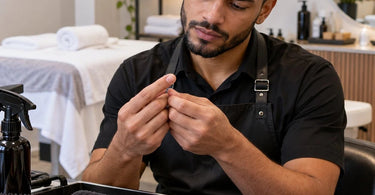
Smarter tools for smarter work... and fewer tiny pieces of hair launching sneak attacks on your skin! If you spend your days cutting, clipping, fading, and styling hair, you already know that salon life comes with a few occupational surprises. One of the most irritating is the dreaded hair splinter, a microscopic-looking piece of freshly cut hair that somehow manages to stab its way into your finger, palm, or another unsuspecting body part. Yes, actual hair can behave like a tiny needle, and yes, it can hurt far more than something that small has any business hurting. For busy stylists and barbers, understanding how hair splinters happen and how to prevent them is an important part of keeping hands comfortable, healthy, and ready for the next client.
Hair splinters might sound like an industry inside joke, but they are a legitimate occupational concern. Whether you specialize in precision barber cuts, short hairstyles, detailed clipper work, or busy salon transformations, repeated exposure to sharp hair clippings can create uncomfortable surprises. Fortunately, a few practical adjustments to daily routines, protective clothing, and workstation hygiene can help reduce exposure without turning your salon into a laboratory.
What Exactly Is a Hair Splinter?
A hair splinter occurs when a small fragment of hair penetrates the skin, behaving much like a traditional wood splinter. Instead of encountering a splinter from a wooden surface, however, you are dealing with a freshly cut strand of human hair. These fragments can become lodged in the outer layers of skin and cause localized discomfort, tenderness, redness, or inflammation.
Hair splinters are especially associated with short, stiff hair clippings produced during barbering and close haircuts. The freshly cut ends can be surprisingly sharp, particularly when the strands are coarse or rigid. Even though an individual hair feels soft when brushed against your head, a short fragment positioned at the right angle can puncture vulnerable skin.
Think of it as the world's smallest unwanted acupuncture session, except nobody scheduled an appointment and there is absolutely no relaxing music.
Why Do Hair Splinters Happen So Frequently in Salons and Barber Shops?
Professional hairstylists and barbers spend hours surrounded by thousands of freshly cut hair fragments. Every snip of the shears and pass of the clippers creates another opportunity for loose hair to land on exposed skin, settle into clothing, or accumulate around the workstation.
Several factors can increase the likelihood of hair splinters:
- Short, coarse hair: Stiff, freshly clipped strands may be more capable of penetrating the skin than longer, softer strands.
- Repeated exposure: Multiple haircuts throughout the day mean continuous contact with loose clippings.
- Moisture: Damp skin and frequent washing can affect the skin barrier, potentially making already irritated areas more vulnerable.
- Friction: Hair clippings trapped against collars, cuffs, or clothing can rub against the skin during movement.
- Accumulated clippings: Hair left on tools, work surfaces, and clothing increases opportunities for contact.
- Unprotected skin: Fingers, spaces between fingers, wrists, and forearms are frequently exposed during cutting services.
Barbers who perform frequent fades, beard trims, and short clipper cuts may be particularly familiar with the problem. The finer the haircut detail, the more little hair fragments there seem to be floating around. Your client's fade might be flawless, but your hands could be filing a formal complaint.
Where Do Hair Splinters Usually Show Up?
Hair splinters can appear wherever small hair fragments contact and penetrate the skin. However, certain areas deserve extra attention because of their exposure during salon services.
Fingers and palms: Hands constantly handle hair, tools, combs, and clippers, making them common locations for embedded fragments.
Between the fingers: The delicate skin in the spaces between fingers can be particularly susceptible. Hair fragments may collect in these areas during repeated cutting and handling.
Wrists and forearms: Short clippings can land on exposed arms while professionals work around a client's head.
Neck and collar area: Hair trapped inside clothing can create prickling sensations and occasional skin irritation.
Feet: Hair fragments accumulating on floors or inside footwear can occasionally create problems, especially when footwear does not adequately protect the feet.
Although a hair splinter is usually a localized nuisance, repeated exposure can occasionally contribute to more complicated skin conditions. That is why prevention deserves more attention than simply brushing off the occasional sharp sensation.
Can Hair Splinters Cause More Serious Skin Problems?
Most superficial hair splinters are minor, particularly when the fragment can be removed easily and the affected skin heals normally. However, a fragment that remains embedded can trigger inflammation or become associated with infection.
One uncommon but documented occupational condition is an interdigital pilonidal sinus, sometimes called barber's disease or hairdresser's disease. This condition can develop when hair fragments repeatedly penetrate the skin between the fingers, contributing to a persistent inflammatory tract beneath the surface.
Symptoms that deserve attention include persistent swelling, tenderness, a recurring bump, drainage, worsening redness, or discomfort that does not improve. A persistent lesion between the fingers should not automatically be dismissed as another ordinary splinter.
These complications are not an inevitable part of working in the beauty industry. They are simply reminders that professional skin protection matters, especially for people who spend years handling freshly cut hair.
How Can Salon Professionals Prevent Hair Splinters?
There is no magical hair-splinter force field, unfortunately. If someone invents one, salon professionals will probably have it on preorder before breakfast. In the meantime, prevention comes down to reducing unnecessary contact with loose clippings and keeping the skin in good condition.
1. Choose Protective Salon Apparel That Makes Sense for Your Work
Clothing matters more than many stylists realize. Loose hair can collect in textured fabrics, slip into open collars, or become trapped around cuffs and seams.
Consider smooth, tightly woven garments that shed hair readily rather than holding onto every clipping. Well-fitting protective garments can help reduce contact between loose hair and the skin.
Explore Salon & Barber Apparel when evaluating clothing options for the cutting floor. Professional apparel should be comfortable, practical, easy to maintain, and appropriate for repeated exposure to hair clippings.
Pay particular attention to sleeves and necklines. A stylish outfit is wonderful, but an outfit that collects three haircuts worth of tiny clippings before lunch is significantly less wonderful.
2. Use Gloves Strategically During Appropriate Tasks
Protective gloves may help reduce direct skin contact with hair fragments during certain tasks, such as cleanup or handling accumulated clippings. However, gloves are not automatically practical or appropriate for every haircutting technique.
Professionals must maintain safe control of scissors, clippers, and other sharp tools. Gloves that interfere with grip, dexterity, or tool handling can create different hazards. Choose properly fitting gloves when the task calls for them, and follow the manufacturer's instructions and workplace requirements.
The Protective Gloves & Masks for Salon and Spa Professionals collection is a useful place to explore protective supplies for suitable salon procedures and cleanup routines.
Remember that disposable gloves should be replaced when damaged or contaminated and should never be treated as a substitute for proper hand hygiene.
3. Keep Clippers, Trimmers, and Cutting Tools Clean
Hair fragments accumulate around clipper blades, trimmer heads, combs, guards, and other frequently used tools. Allowing clippings to build up creates more opportunities for them to spread across the workstation and onto exposed skin.
Establish a consistent cleaning routine using the procedures specified for each tool. Remove loose hair with appropriate brushes and cleaning accessories, and follow applicable disinfection instructions between clients.
Professionals can explore Professional Shears, Clippers, & Trimmers for Barbers when maintaining or upgrading their haircutting equipment.
Keeping cutting tools in good working order also supports consistent haircutting performance. Clean equipment, organized stations, and predictable maintenance routines are valuable regardless of whether hair splinters are currently causing problems.
4. Sweep Hair Frequently Instead of Letting It Accumulate
We have all seen the little mountain of hair clippings collecting around a barber chair during a particularly busy stretch. Unfortunately, a floor covered in cut hair provides plenty of opportunities for fragments to attach to shoes, clothing, and nearby surfaces.
Remove loose hair between clients and maintain a practical cleanup schedule throughout the day. Use suitable sweeping, vacuuming, and collection tools to keep clippings under control.
Empty hair collection containers regularly and avoid handling piles of freshly cut hair with bare hands when suitable tools or protective gloves can be used instead.
A clean cutting area is not just about appearances. It supports a more comfortable working environment and helps keep loose fragments from traveling throughout the salon.
5. Pay Attention to Hand Washing and Skin Care
Frequent shampooing, hand washing, and exposure to salon products can leave some professionals with dry or irritated skin. Maintaining a healthy skin barrier is an important part of overall occupational skin care.
Wash hands using appropriate products, rinse thoroughly, and dry carefully, including the spaces between the fingers. Apply a suitable moisturizer when needed and when doing so will not interfere with safe tool handling.
Look for fragrance-free options if your skin is sensitive, and avoid applying heavily fragranced products to cracked or irritated areas.
Professionals interested in general hand-care supplies can browse Hand Cream and Hand Lotion options.
Moisturizing is not a proven way to make skin completely resistant to hair penetration. The goal is to support comfortable, healthy skin while addressing dryness from frequent washing and daily salon work.
6. Change or Clean Hair-Covered Clothing Promptly
Hair fragments have an impressive ability to hitchhike. They find their way into pockets, cling to sleeves, settle inside shoes, and occasionally make it all the way home.
Use a suitable clothing brush or lint remover to clear loose hair from garments. Keep work clothes separate from clean personal clothing when practical, and launder them according to their care instructions.
Consider keeping an extra work shirt available during long shifts, especially if your cutting schedule involves numerous short hairstyles or beard trims.
If your clothes feel like they are secretly made of tiny cactus needles at the end of the day, it might be time to rethink the fabric.
7. Protect Your Feet With Practical Work Shoes
Hair splinters are not exclusively a hand problem. Small fragments can occasionally reach the feet through open footwear or accumulate inside socks and shoes.
Closed-toe shoes with suitable coverage are generally a sensible choice for salon environments. They can also help protect feet from dropped tools, minor spills, and everyday workplace hazards.
Choose footwear that provides appropriate traction and support for long periods of standing. Inspect shoes and socks for trapped hair if you notice unexplained prickling sensations.
Your feet already spend enough hours supporting everyone else's fabulous hair transformations. They deserve a little protection, too.
What Should You Do If You Get a Hair Splinter?
Even with careful prevention, an occasional hair splinter may still happen. The correct response depends on how deeply the fragment is embedded and whether the affected area shows signs of inflammation or infection.
For a small, superficial fragment that is clearly visible and accessible, basic first aid may be appropriate:
- Wash your hands and the affected area: Use soap and clean water before attempting removal.
- Inspect the location: Look carefully for a visible hair fragment without digging into the skin.
- Use clean tweezers when appropriate: If the end is protruding and can be grasped easily, gently remove the fragment in the direction it entered.
- Clean the skin afterward: Wash the area again and protect it with a clean dressing if needed.
- Monitor the spot: Watch for increasing pain, redness, swelling, warmth, or drainage.
If the fragment is deep, difficult to locate, near a sensitive structure, or cannot be removed easily, stop attempting removal and seek professional medical care. Repeated squeezing, cutting, or digging can cause unnecessary tissue damage and increase infection risk.
Seek medical attention promptly for spreading redness, pus, fever, severe pain, or other signs of infection. Persistent bumps or recurring drainage between the fingers also deserve evaluation by a qualified healthcare professional.
Check whether your tetanus vaccination is current when a puncture injury occurs, particularly if the wound is deep or contaminated. A healthcare professional can advise whether additional protection is needed.
Hair Splinters vs. Ingrown Hairs: What Is the Difference?
Hair splinters and ingrown hairs are frequently confused because both can create small, uncomfortable bumps. However, they develop in different ways.
A hair splinter typically involves a detached hair fragment from an external source penetrating the skin. For salon professionals, that fragment may come from a client's freshly cut hair.
An ingrown hair occurs when a hair growing from its own follicle curls or grows into the surrounding skin instead of emerging normally.
Both conditions may produce irritation, but they are not interchangeable. Products intended for ingrown hairs are not designed to remove an embedded foreign hair fragment.
For professionals providing grooming or hair-removal services, understanding the distinction helps avoid confusing occupational skin injuries with common post-shaving concerns.
The Ingrown Hair Products collection includes options associated with ingrown-hair care, but persistent suspected hair splinters should be approached as possible foreign-body injuries rather than treated as ordinary ingrown hairs.
Why Barbers Who Specialize in Fades Should Pay Extra Attention
Precision fades and close clipper cuts create large quantities of very short hair fragments. These tiny clippings can scatter onto wrists, hands, work surfaces, and clothing as a stylist blends lengths and refines details.
Although not every clipping can penetrate skin, close-cut fragments can be especially bothersome when they are short and stiff.
Barbers performing numerous fades each day should make cleanup a regular part of the service rhythm. Maintaining clean clipper guards, removing loose clippings from exposed skin, and using appropriate protective clothing can all support a more comfortable workday.
Investing in dependable tools and organizing the cutting station can also streamline daily maintenance. Browse Professional Hair Salon & Barber Shop Supplies for products that support routine barbering operations.
After all, the goal is a beautifully blended fade, not a souvenir collection of tiny hair fragments in your hands.
Does Salon Sanitation Help Prevent Hair Splinters?
Good salon sanitation supports overall workplace hygiene and can reduce the buildup of loose hair on frequently touched surfaces. However, sanitation and hair-splinter prevention are not exactly the same thing.
Disinfecting a workstation does not physically remove every hair clipping unless the surface is first cleaned appropriately. Likewise, a disinfectant cannot prevent a sharp fragment from penetrating skin simply because it was applied nearby.
A practical approach combines physical hair removal with routine cleaning and disinfection based on the equipment, surface, manufacturer's directions, and applicable regulations.
Use suitable products from Professional Cleaners & Disinfectants for Salons and Spas when maintaining your workspace, following each product's label and required contact time.
Keeping the station tidy also makes it easier to identify where clippings tend to collect. Those overlooked corners, tool trays, and chair bases can become tiny hair storage facilities if nobody keeps an eye on them.
Build a Simple Hair-Splinter Prevention Routine for Your Team
Salon owners and managers can make prevention easier by incorporating a few straightforward habits into existing opening, between-client, and closing procedures.
Before the first appointment: Check that cutting tools are clean, work surfaces are free of old hair clippings, and appropriate cleaning supplies are available. Encourage team members to wear comfortable, practical clothing and protective footwear.
Between appointments: Remove hair from cutting tools, clean up loose clippings, and wipe or disinfect surfaces according to established salon procedures. Check hands and clothing for trapped fragments when necessary.
During breaks: Wash and dry hands, inspect any irritated areas, and avoid repeatedly working over a painful or visibly inflamed spot without addressing the problem.
At closing: Perform a thorough cleanup of floors, chairs, equipment stations, and frequently used tools. Launder reusable textiles and protective garments as appropriate.
Maintaining an organized supply of Must-Have Supplies for Salon & Spa Business Success can help managers keep these routines consistent without making every shift feel like a complicated safety inspection.
Consistency is more useful than perfection. A few manageable habits followed every day are often easier to sustain than an elaborate procedure everyone forgets by Tuesday.
What Salon Owners Should Know About Repeated Hair Splinter Complaints
If several team members regularly experience hair splinters, consider reviewing the salon's cutting and cleaning routines rather than treating each complaint as an isolated inconvenience.
Look for patterns. Do complaints happen after clipper-heavy services? Are certain workstations accumulating more loose hair? Does a particular uniform fabric trap clippings? Are employees experiencing discomfort primarily between their fingers or around their wrists?
Identifying these trends may reveal practical opportunities to reduce exposure. Team feedback can also help managers select supplies and workplace procedures that staff members will actually use.
Provide employees with a straightforward way to report persistent irritation or suspected embedded hair fragments. Encourage appropriate medical evaluation rather than expecting professionals to simply work through recurring pain.
Salon professionals depend on their hands for precision, creativity, and income. Protecting those hands is a practical business consideration as well as a personal comfort issue.
Frequently Asked Questions About Hair Splinters
Can Human Hair Really Pierce Skin?
Yes. Short, stiff hair fragments can penetrate skin under certain conditions. Freshly cut hair may have a sharp end, and the angle of contact, hair stiffness, skin condition, and pressure all influence whether penetration occurs.
Are Hair Splinters More Common With Certain Hair Types?
Short, coarse, rigid clippings may be more likely to act like splinters than long, flexible strands. However, hair characteristics vary, and no single hair type guarantees that a splinter will or will not occur.
Can Hair Splinters Get Infected?
Yes. An embedded fragment may cause inflammation, and an associated wound can sometimes become infected. Increasing redness, swelling, warmth, pus, or worsening pain should be assessed by a healthcare professional.
Will a Hair Splinter Eventually Work Its Way Out?
Some very superficial fragments may become dislodged naturally, but others remain embedded and continue causing irritation. Do not assume that a painful or persistent fragment will resolve without attention. Seek medical evaluation if symptoms persist or worsen.
Can Gloves Completely Prevent Hair Splinters?
No protective measure can guarantee complete prevention. Suitable gloves may reduce exposure during certain tasks, but they must be compatible with safe tool handling and workplace requirements. Clothing, cleaning routines, and good skin care are also important considerations.
Can Hair Splinters Happen Outside the Hands?
Yes. Hair clippings may contact the arms, neck, feet, and other exposed areas. The hands, especially the spaces between the fingers, are particularly important because they frequently handle freshly cut hair.
Why Hair Splinter Prevention Is Worth Taking Seriously
Hair splinters are one of those occupational annoyances that rarely receive much attention outside the beauty industry. Clients see the finished haircut, the perfect fade, and the beautifully styled result. They do not necessarily see the tiny clippings hiding in sleeves, the prickling sensation between a stylist's fingers, or the extra cleanup required after a packed day behind the chair.
For salon professionals, the practical solution is not to fear every loose strand. It is to recognize the risk, maintain sensible work habits, and address persistent skin problems before they become more complicated.
Appropriate protective apparel, thoughtfully selected tools, regular cleaning, comfortable footwear, and consistent hand care all contribute to a better working environment. Salon owners can support these habits by making supplies accessible and giving employees time to maintain their stations properly.
Pure Spa Direct supplies professional salon, barber, and spa products from a variety of manufacturers, helping businesses find the equipment and everyday essentials that fit their operations. Whether you are refreshing cutting tools, updating work apparel, or improving workstation cleanliness, practical supply choices can support smoother daily routines.
At the end of the day, hair should be making your clients look fabulous, not staging tiny surprise attacks against your skin. Keep the cuts sharp, the workstation clean, and the unwanted hair splinters to an absolute minimum. Your hands have plenty of important work to do tomorrow!
