
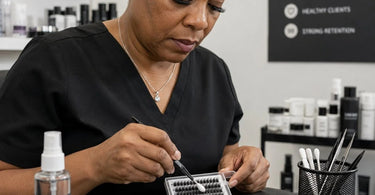
Your next hit starts here... and we're not just talking about that rush you get when you create a flawless volume fan. We're talking about the sneaky, often-overlooked culprit that can turn your stunning lash masterpiece into a client's worst nightmare faster than you can say "retention issues." Let's be real, we've all been there. You spend an hour and a half meticulously crafting a set of gorgeous, fluttery lashes, and then the client comes back for their two-week fill looking like they've been through a dust storm. The extensions are falling out, the bases are crusty, and you're left wondering where it all went wrong. The answer, more often than not, lies not in your gluing technique or the quality of your lash extensions, but in a tiny, neglected area that acts as a magnet for all things gross: the intake area of your lash fan. Before we dive into the gritty details, ask yourself: are you truly getting the best out of your lash fans, or is this overlooked detail sabotaging your hard work?
Welcome to the unglamorous but absolutely essential world of lash fan hygiene. We're going to get down and dirty (literally) about why your lash fans need regular cleaning around the intake area. This isn't just about being a neat freak; it's about the science of adhesion, the health of your clients' eyes, and ultimately, the success and reputation of your business. As a lash artist, you're an expert in creating beauty, but let's be honest, the real magic happens when you master the art of maintenance. Think of this as your friendly, slightly sarcastic guide to saving your lashes, your sanity, and your client's eyeballs. We'll explore the messy truth, why it happens, and exactly how to fix it, because a clean lash is a happy lash, and a happy lash is a loyal client. And let's face it, we all want those clients who come back every two weeks without fail. So, ready to roll up your sleeves and get cleaning? Let's go!
The intake area of a lash fan, that precious space where the fibers meet at the base, is like the wild, wild west for debris. Every blink, every application of makeup, every time your client walks out into the world, microscopic particles of dust, pollen, and dead skin cells are landing on their lashes. And because lashes are like tiny shelves, that fan base becomes a cozy little home for all of it, especially if the lashes aren't cleaned properly . When you add in the natural oils (sebum) produced by the eyelids, which are the absolute nemesis of lash glue, you've got a recipe for disaster. This oily, debris-filled cocktail breaks down the adhesive bond, causing those extensions to slide right off. Regular cleaning is not just a suggestion, it's a necessity for the longevity of the extensions and the health of your client's natural lashes .
The Grimy Truth: What Happens When You Neglect the Intake Area?
Let's paint a picture, shall we? Imagine you've just invested in a brand new, top-of-the-line towels and a pristine lash service setup. You're feeling good. But then, you notice your fans are starting to look a little... crunchy. That's a technical term, by the way. That crunchiness is the result of all that gunk hardening around the base, forming what some experts unaffectionately call "crusties" . These crusties aren't just unsightly; they're a sign that your client's lashes are hosting a microscopic party you definitely didn't invite them to. This buildup adds extra weight to the natural lash, causing tension and pulling, which can lead to premature shedding of the natural lashes. It's like putting a heavy backpack on a tiny string and expecting it to hold up forever. Spoiler alert: it won't.
Furthermore, volume lashes are especially susceptible to this because their fans have a larger surface area at the base compared to classic extensions, creating more nooks and crannies for oil and debris to get trapped . If you're a lash artist who loves a good, fluffy volume set, you absolutely must be a stickler for cleaning. And don't even get me started on the wayward mascara or eye shadow remnants that can find their way in there. The eye area is delicate, and when bacteria from dirty lashes starts to proliferate, you risk giving your client a nasty case of blepharitis or inflammation of the lash follicles . Believe me, a call from an angry client with an eye infection is not the kind of buzz you want. It's a surefire way to lose a client and damage your reputation, which is why professionalism is key.
The Science of the Slip: Why Oils and Debris Are the Enemy
Let's get a little nerdy for a second. The adhesive used for lash extensions is designed to be "oil-phobic," which is a fancy way of saying it absolutely despises oil . Think of it as the Kryptonite to your lash glue's Superman. When the natural oils from your client's eyelids, makeup, and skincare products sit on that adhesive bond, they start to soften and break it down . It's like using a solvent to dissolve glue. The bond weakens, the extension becomes loose, and eventually, pop! There it goes. A quick cleanse of the lashes right before a fill can make all the difference.
This is also why many clients who transition from temporary strip lashes to professional extensions sometimes struggle with retention; they're terrified to get their extensions wet, let alone clean them. But ironically, that fear leads to the very oil buildup that destroys the adhesive . This is where you, the expert, come in. A huge part of your job is educating your clients on the importance of lash hygiene. It's not just about making a sale; it's about ensuring your work looks fantastic and lasts as long as it should. It's about their lash and brow health. If they knew their lashes were harboring bacteria that could lead to an infection, they'd be much more inclined to follow your aftercare instructions .
It's Not Just the Lashes: The Equipment Connection
Now, let's shift gears for a moment. The importance of cleaning around an intake area isn't just limited to lash fans. Think about your salon's equipment. All those amazing Facial Steamers, wax warmers, and magnifying lights have intake vents that also need regular cleaning. Dust, hair, and product residue can clog these vents, reducing the performance and lifespan of your expensive equipment . For example, a Towel Steamer with a clogged intake won't heat properly, leaving you with cold, sad towels for your clients.
According to maintenance manuals for various types of equipment, regular cleaning of air intake vents is crucial. A fan that's clogged with dust can overheat, leading to equipment failure and costly repairs or replacements . In a busy salon, a broken piece of equipment can bring your entire operation to a grinding halt. Imagine having to cancel appointments because your steamer broke down. Not a good look. So, just like your lash fans, your salon equipment needs some love and attention.
Your Game Plan: How to Keep Those Lash Fans (and Equipment) Pristine
Now that we've thoroughly horrified you about the potential filth hiding in your lash fans, let's talk about the solution. Implementing a regular cleaning routine is easier than you think and will make a world of difference. The first step is at the service stage. Always start your lash application by thoroughly cleansing your client's lashes. Use a professional lash shampoo or cleansing foam and a clean spoolie to scrub away any traces of makeup, oil, and debris .
Then, use a dedicated lash cleanser to degrease the natural lashes, and consider applying a primer to help the adhesive cure faster and more effectively . When you're creating your fans, remember to always work with clean tools. A dirty tweezer can transfer residue to the lash base, compromising the bond before the fan even touches the natural lash . Keeping your tools clean is a fundamental part of professional hygiene.
For your clients, education is key. Provide them with a lash cleanser and a fluffy brush and instruct them to wash their lashes daily or at least three times a week. It's their investment, and they need to protect it! Now, for your salon equipment, create a regular maintenance schedule. Use a vacuum with a brush attachment to gently clean the intake vents of your facial steamers, LED lamps, and other devices . A can of compressed air can also be helpful for blowing out dust from hard-to-reach areas. Just remember, always unplug equipment before you start cleaning to avoid any zappy situations .
It's All Connected: Hygiene is the Heart of Your Business
Ultimately, the cleanliness of your lash fans and your salon equipment is a reflection of your professionalism. It's an integral part of the spa essentials and overall experience you provide. When you prioritize cleanliness, you're not just creating beautiful lashes; you're creating a safe, healthy environment for your clients. You're building trust and ensuring that your reputation remains spotless.
At Pure Spa Direct, we understand the challenges of running a successful beauty business. That's why we offer a huge range of professional products, from lash and brow supplies to the best spa body treatments and disinfectants, to keep your entire operation running smoothly. A clean work environment is more than just looking good; it's about offering the highest level of care. So next time you're tempted to skip the Lash Bath or forget to vacuum your steamer's intake, remember this blog post. Think of the crusties. Think of the angry client with the eye infection. Think of the broken steamer. Then, grab your lash supplies, your cotton products, and get to cleaning. Your clients, your lashes, and your equipment will thank you. And trust me, the only thing you should ever have to worry about crying over is a beautiful, perfectly applied set of lashes, not a hygiene mishap. Now go forth and cleanse!
